Bhutan Invests $180M to Make Farming a Source of Pride
The Himalayan kingdom of Bhutan is putting $180 million toward food self-sufficiency by 2029, transforming farming from a last resort into a profession young people can embrace. The initiative includes smaller farm equipment for women and innovative solutions to help smallholder farmers overcome the country's rugged terrain.
Bhutan is making a bold bet that happiness starts on the farm.
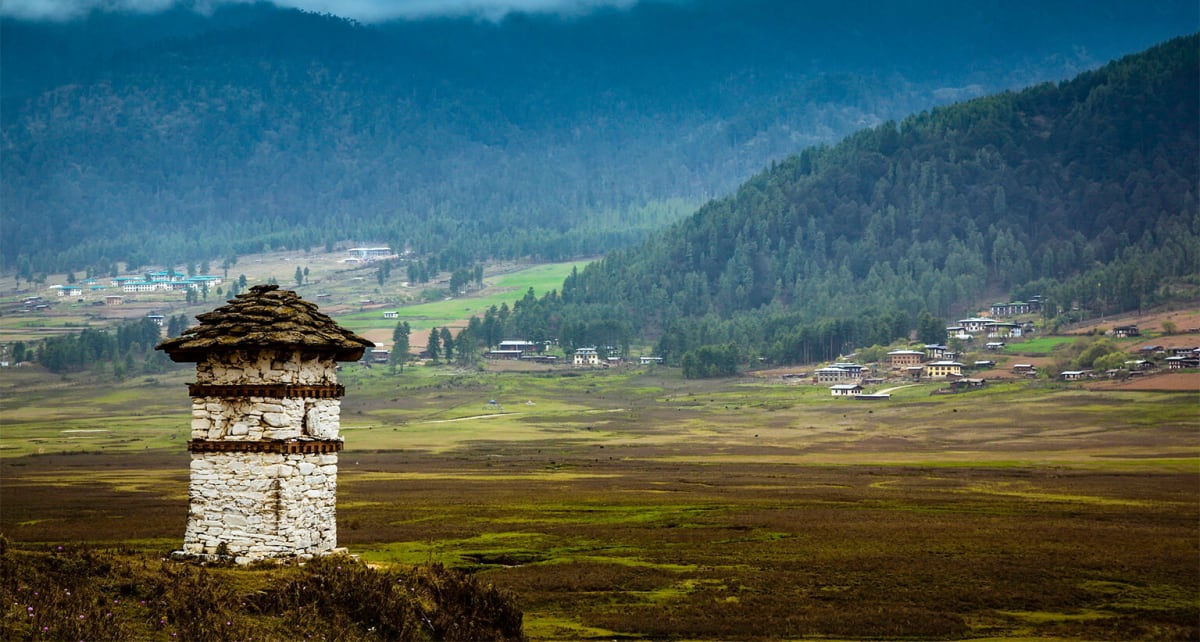
The landlocked Himalayan nation is investing $180 million to achieve food self-sufficiency by 2029, part of its unique national philosophy of Gross National Happiness. The goal is ambitious for a mountainous country where steep terrain and unpaved roads make farming a daily challenge.
Chef and restaurateur Bleu Tshering Dorji sees the struggle firsthand. "Every extra hour in transit affects quality and freshness," she explains, describing how farmers battle rough roads to get produce from remote farms to markets.
Agriculture employs more than 40% of Bhutan's 800,000 citizens, but the profession faces a crisis. Young people are abandoning farming, seeing it as backbreaking work with little reward.
That's exactly what the government wants to change. "We need our young Bhutanese people to be able to see farming as not a last resort, but as a profession that you could be proud of," Dorji said.
The plan targets the farmers who need support most. Of the $180 million investment, $139 million goes directly to smallholder farmers, the majority of whom are women.
Sonam Wangchuk from Bhutan's Ministry of Agriculture and Livestock describes one practical change already making a difference. The government replaced massive power tillers that only men could operate with smaller machines designed for women farmers.
The initiative also addresses wildlife conflicts through 2,100 miles of fencing, though Wangchuk advocates for more varied approaches to protect different species. Bhutan's strict conservation laws mean farmers must coexist with wildlife, a challenge that requires creative solutions.
The Ripple Effect
This investment represents more than agricultural policy. It's a commitment to keeping rural communities alive and cultural traditions intact.
Dorji frames farming as something deeper than an industry. "Our food system isn't just about producing food," she said. "It's about sustaining our landscapes, our communities, and our culture."
By prioritizing youth and women, redesigning equipment, and improving infrastructure, Bhutan is proving that national happiness can grow from the ground up.
More Images
Based on reporting by Mongabay
This story was written by BrightWire based on verified news reports.
Spread the positivity!
Share this good news with someone who needs it