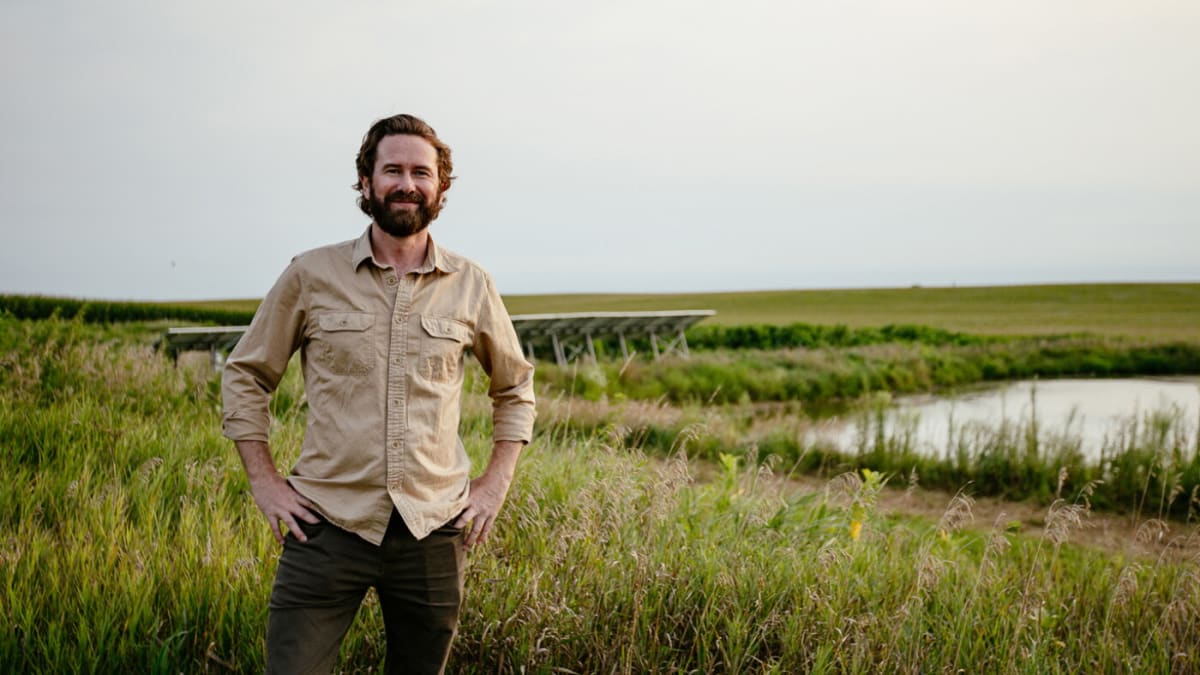
Iowa Pig Farm Becomes Mushroom Hub After Family's Big Shift
A family in central Iowa converted their industrial hog barn into a thriving mushroom farm with help from an organization that's proving farmers can leave factory farming behind. The Faaborgs are now showing other farmers across America how to make the same hopeful transition.
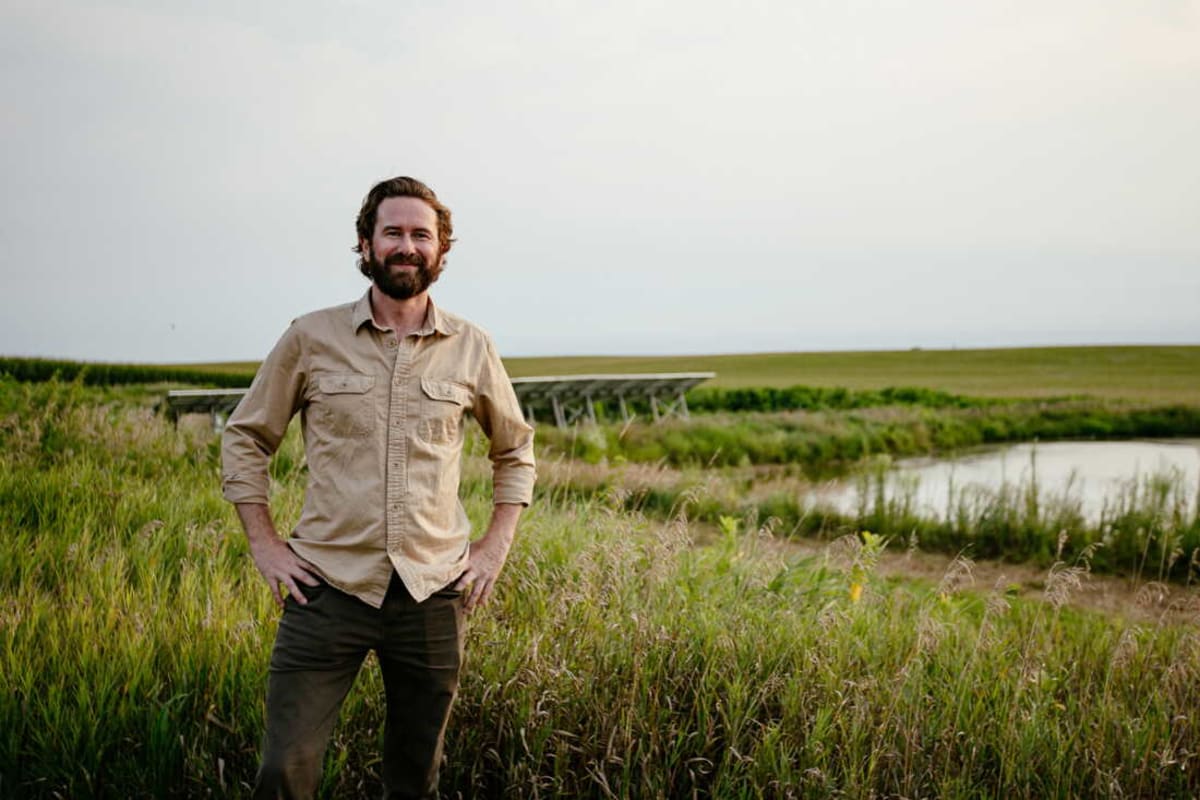
The Faaborg family spent decades raising 2,200 pigs for slaughter in central Iowa. Today, those same barns grow specialty mushrooms instead, and the family couldn't be happier with the change.
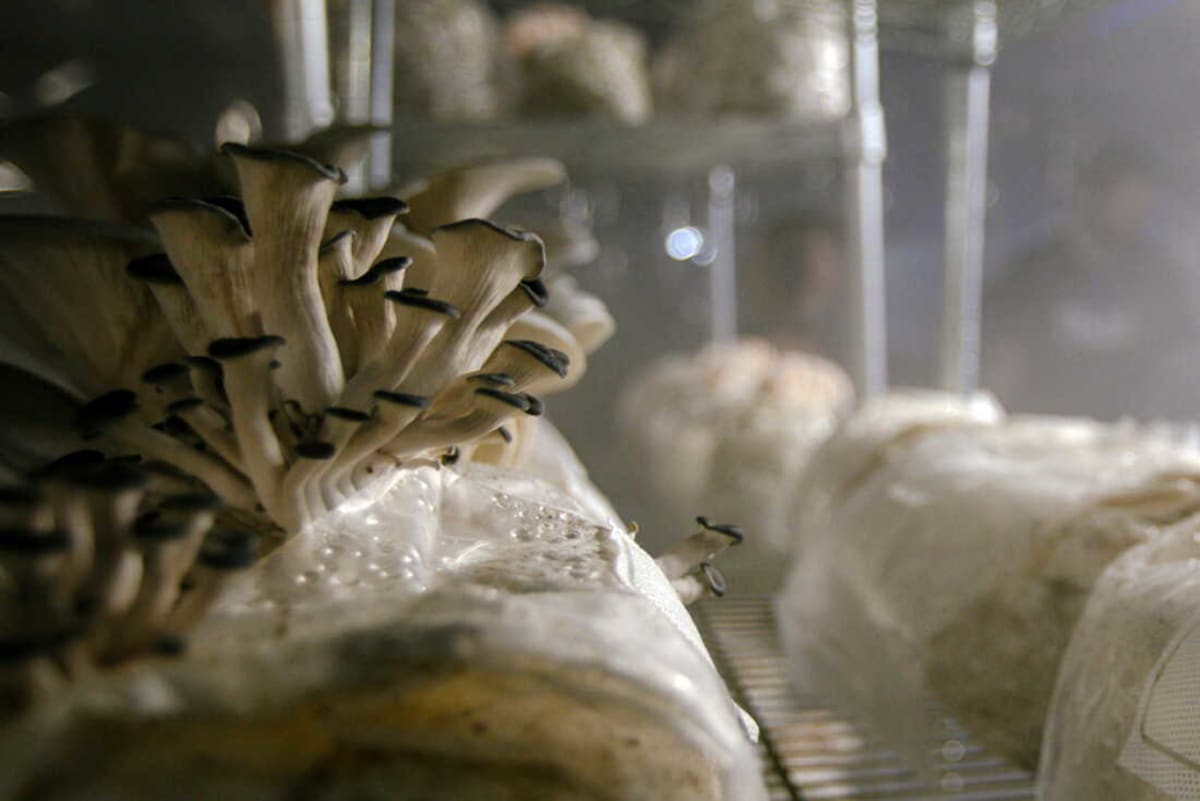
Tyler Faaborg now walks through dimly lit "fruiting rooms" where lion's mane mushrooms sprout from shelves, their bulbous caps turning from pink to white as they mature. His family sells their harvest as tinctures, coffee blends, and flavored salts under the name 1100 Farm, a nod to the number of hogs each barn once held.
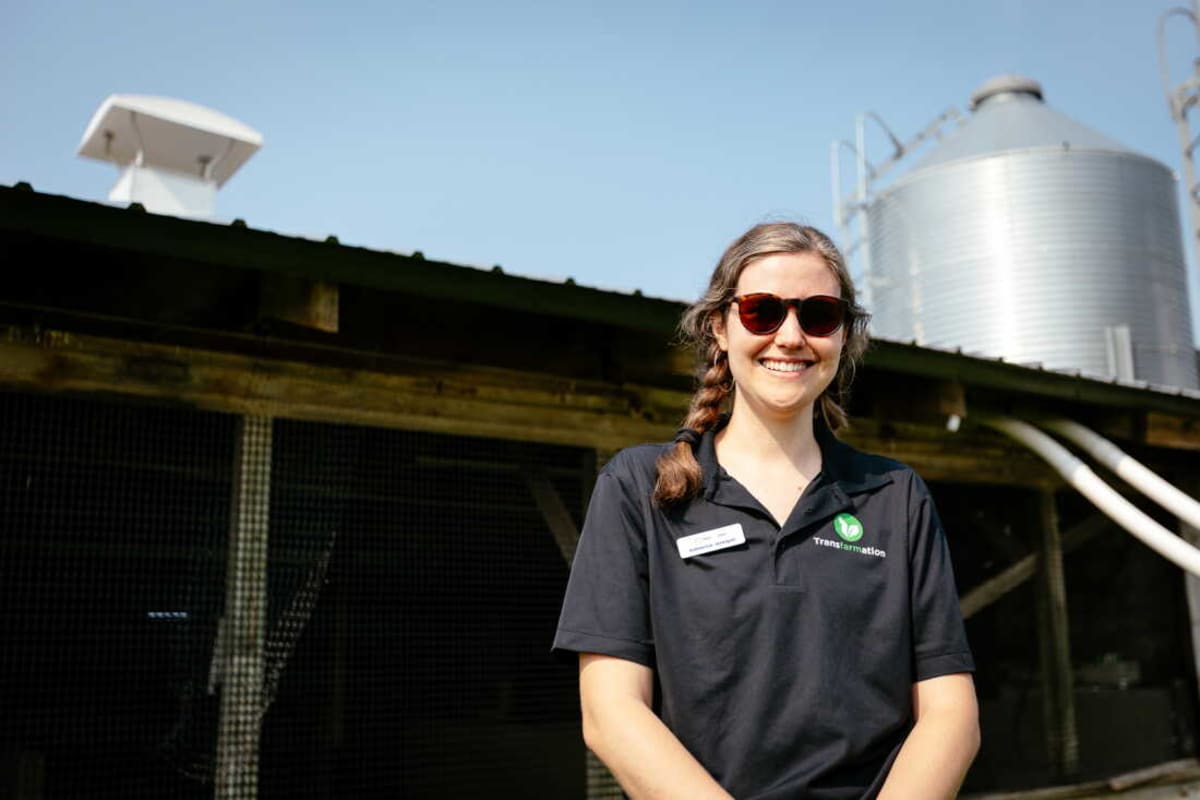
The transformation happened thanks to The Transfarmation Project, run by the charity Mercy for Animals. The initiative helps industrial animal farmers switch to sustainable crops like mushrooms, vegetables, and fruit trees.
"We primarily work with industrial animal farmers to help them transition out of that way of farming and into sustainable practices," said Katherine Jernigan, who directs the project. The program offers online resources, expert networks, and open-source blueprints for converting pig, poultry, and dairy barns.
The Faaborgs recently finished converting half of their 200-foot-long barn this summer. They started raising pigs in the 1980s when Rand and Tammy Faaborg bought their 25-acre farm, dreaming of a homesteading lifestyle with gardens, fruit trees, and chickens.
Contract feeding seemed like good "pocket money" at first, but the economics proved difficult. Their son Tanner brought them the mushroom idea several years ago, and the whole family embraced the vision.
The Ripple Effect
The Faaborgs aren't just growing mushrooms for themselves. Their farm serves as Transfarmation's second demonstration hub in America, following a former chicken farm in North Carolina.
Other farmers can visit, ask questions, and see firsthand how the transition works. The Faaborgs are tracking costs, labor hours, and profit margins through a four-year contract worth $216,000, sharing everything they learn with other farmers considering the switch.
Transfarmation's website already shows estimated budgets for farms growing strawberries, tomatoes, and microgreens, proving it's possible to be profitable after leaving industrial-scale operations. Large factory farms in Iowa jumped from 789 in 1990 to 4,444 in 2025, but families like the Faaborgs are showing there's another path forward.
"It just takes someone doing something a little different to help folks realize that it is possible," Tanner said.
The family's mushroom operation proves that farmers can rebuild their livelihoods around something that feels better, works financially, and opens doors for others ready to make the same leap.
More Images
Based on reporting by NPR Science
This story was written by BrightWire based on verified news reports.
Spread the positivity!
Share this good news with someone who needs it