Iowa Volunteers Count 7,000 Bees to Help Track Species
Everyday Iowans have become "community scientists" tracking bumblebee populations, identifying 13 species including five rare ones. The program needs more volunteers as it expands in 2026.
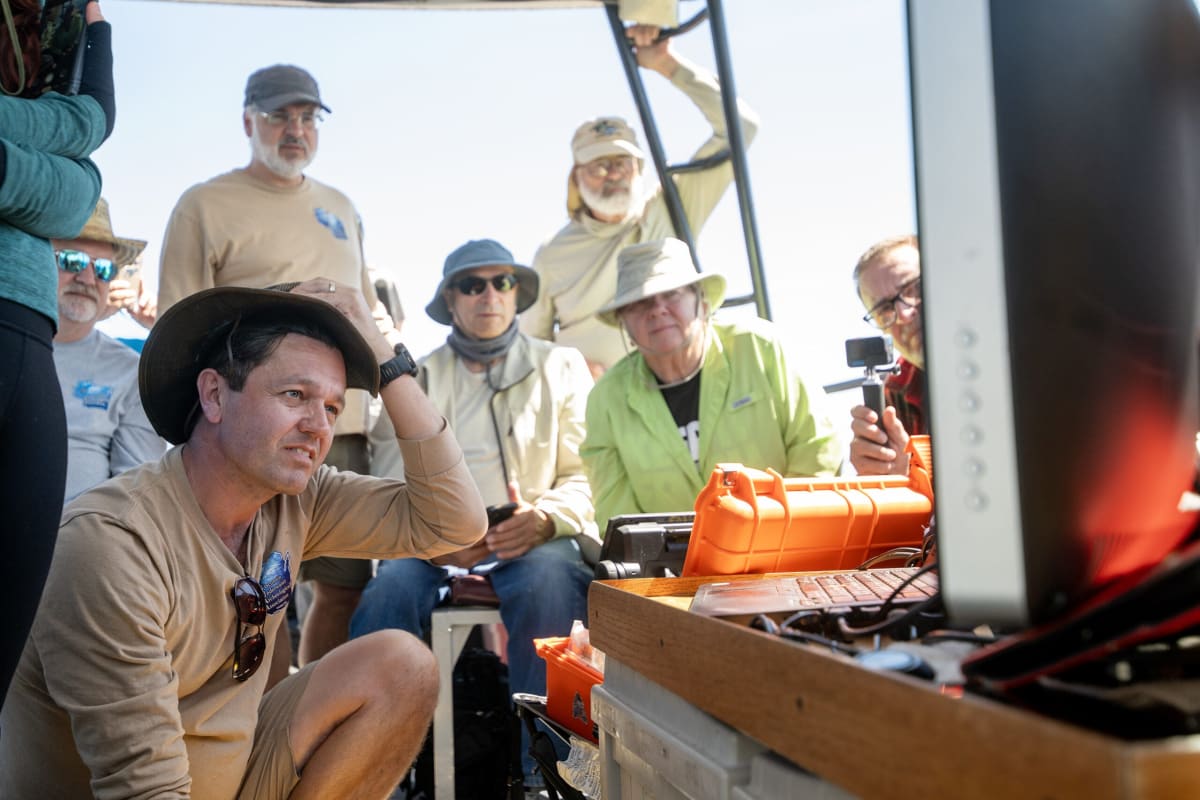
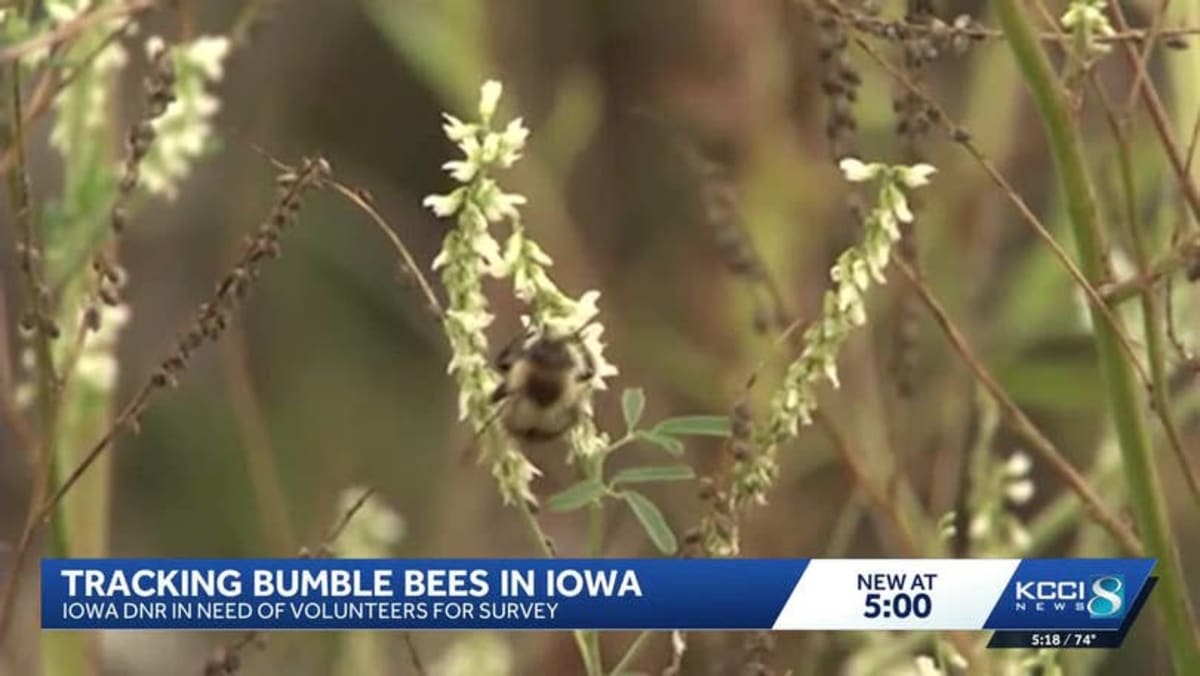
Hundreds of Iowa volunteers have spent their summer days counting bumblebees, and their efforts are helping scientists understand which species are thriving and which need protection.
Through the Bumble Bee Atlas program, everyday Iowans have transformed into "community scientists" tracking bumblebee populations across the state. The national survey is coordinated by the Xerces Society, working alongside the Iowa Department of Natural Resources and Iowa State University.
Since 2024, these dedicated volunteers have completed more than 600 surveys and counted over 7,000 individual bees. Their work has identified 13 different bumblebee species buzzing through Iowa's gardens and prairies, including five priority species that scientists are especially concerned about protecting.
The program makes citizen science accessible to anyone curious about nature. Volunteers don't need a biology degree or expensive equipment, just a willingness to observe and document the fuzzy pollinators in their own communities.
The Ripple Effect
This grassroots effort reaches far beyond Iowa's borders. The data volunteers collect feeds into a nationwide understanding of bumblebee health and habitat needs. As pollinator populations face pressures from habitat loss and climate change, this real-time information helps conservation efforts target resources where they're needed most.
Every survey completed adds another piece to the puzzle of how to protect these essential pollinators. Bumblebees help grow about one-third of the food we eat, making their survival crucial for agriculture and wild ecosystems alike.
Officials say they want to grow participation this year, making it easier than ever to join. Online training sessions start this month, teaching volunteers how to identify different species and conduct standardized surveys. The actual surveying season runs from June through October, when bumblebees are most active.
Iowa residents can sign up online and search for "Iowa" to find local training events and survey opportunities. Whether you have a backyard garden or access to wild spaces, there's room for more eyes watching out for these important pollinators.
More Images

Based on reporting by Google: volunteers help
This story was written by BrightWire based on verified news reports.
Spread the positivity!
Share this good news with someone who needs it