Iranian Cancer Treatment Shows Promise in 51 Global Centers
An Iranian surgeon's innovative cancer treatment targeting tumor environments instead of just cancer cells is now being tested at 51 medical centers worldwide. Four pharmaceutical companies have invested $45 million after early results showed some patients survived years longer than expected.
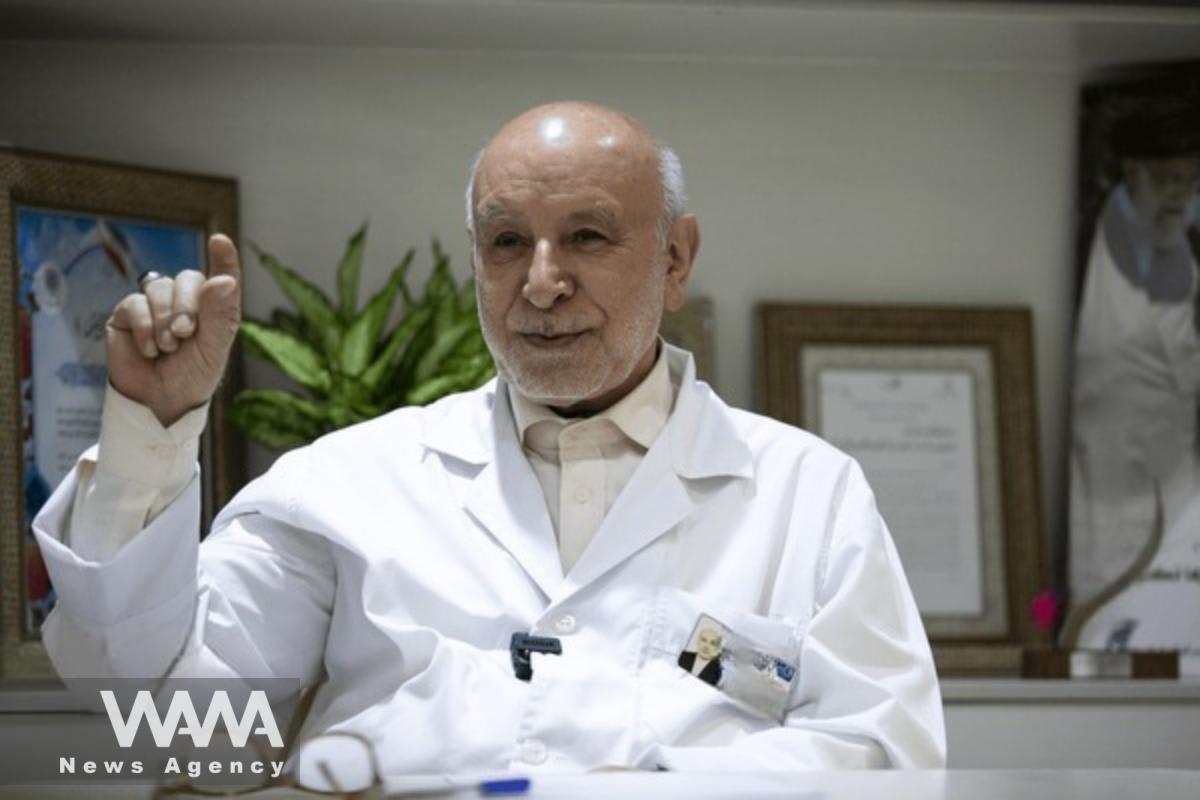
After nearly five decades treating cancer patients, Dr. Mohammad Esmail Akbari may have found a smarter way to fight the disease by attacking what surrounds tumors instead of just the tumors themselves.
The Iranian cancer surgeon developed an approach in 2024 that focuses on the tumor microenvironment, the tissue around cancer cells that helps them grow and resist treatment. While conventional treatments directly target cancer cells, Akbari's method goes after FAP, a protein in cells surrounding tumors.
The treatment uses a targeted compound called FAPI combined with a radioisotope that delivers therapy directly to the affected tissue. Akbari initially tested it on patients with advanced and metastatic cancers who had run out of other options.
More than 500 patients in Iran have been diagnosed or treated using this approach so far. According to Akbari, some patients with limited treatment options experienced survival extensions reaching several years, though comprehensive clinical trial data is still being compiled.
The Ripple Effect
The international medical community has taken notice. Four pharmaceutical companies have invested around $45 million in the treatment's development and clinical trials, and studies on the approach have appeared in leading medical journals.
Clinical trials are now underway at 51 medical centers across multiple countries. If large scale independent studies confirm the early results, this could become a standard treatment option for advanced cancers and mark a significant advancement in nuclear medicine and targeted cancer therapy.
Akbari, who trained at Johns Hopkins University before returning to Iran, has dedicated his career to advancing cancer education and treatment. He's supervised the training of more than 200 physicians who now work across Iran's provinces.
The research team continues examining other innovative approaches, including the therapeutic potential of exosomes, tiny structures that help cells communicate and may play a role in treatment resistance.
Final results from the international trials will determine whether this Iranian innovation becomes a global game changer in fighting advanced cancer.
More Images



Based on reporting by Google News - New Treatment
This story was written by BrightWire based on verified news reports.
Spread the positivity!
Share this good news with someone who needs it