Iraqi Solar Panel Hits 77% Efficiency With Oil Coating
Scientists in Iraq just made solar panels work way better using a simple coating made from cooking oil and titanium dioxide. The system keeps panels cool while generating both electricity and hot water at the same time.
Imagine if your solar panel could stay cool in scorching heat while producing electricity and heating your water. Iraqi scientists just figured out how to do exactly that, and the secret ingredient is surprisingly simple: linseed oil.
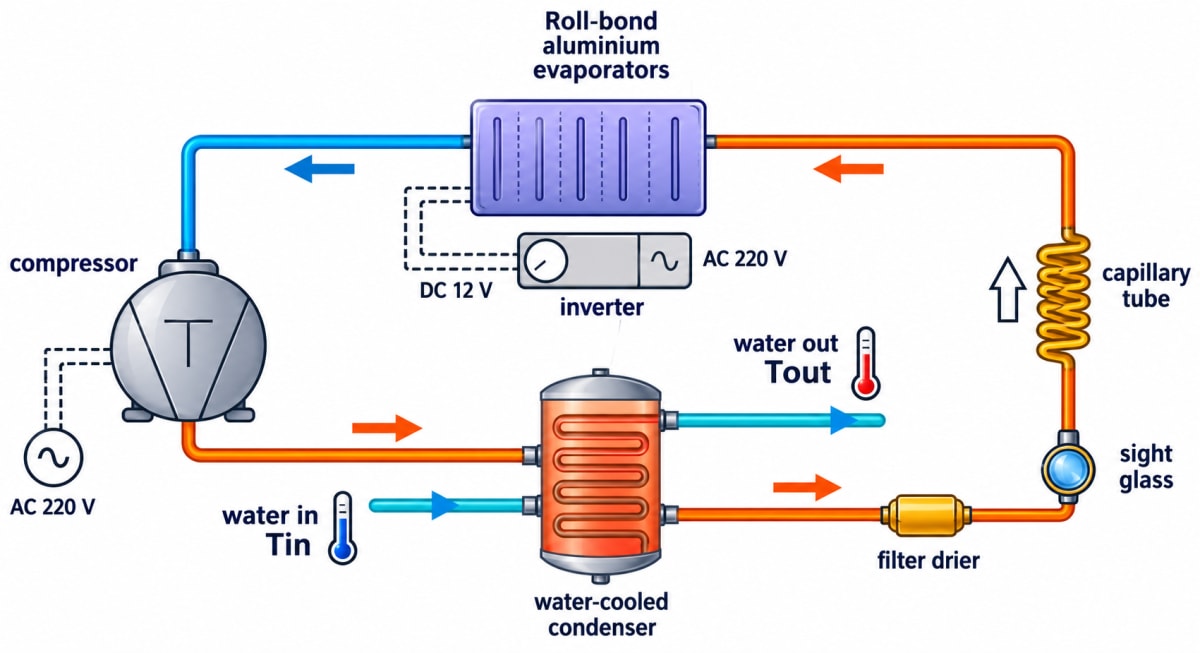
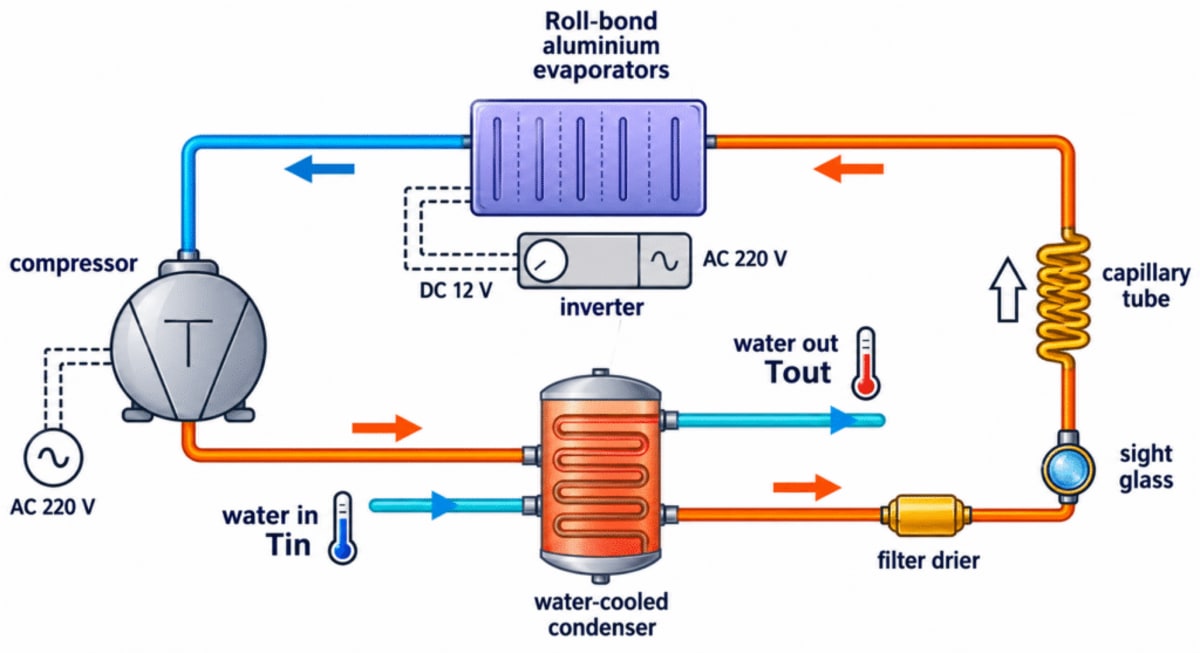
Researchers at Northern Technical University and Al-Kitab University combined a standard solar panel with a heat pump and coated it with a mixture of titanium dioxide nanoparticles and linseed oil. The coating is only 100 nanometers thick, thinner than a human hair, but it makes a massive difference.
The system pulled double duty throughout the year. In spring and autumn, it reached 77% overall efficiency, meaning it captured 77% of the sun's energy as either electricity or usable heat. Traditional solar panels typically convert only 15 to 20% of sunlight into electricity, losing the rest as wasted heat.
The team tested their setup outdoors in Kirkuk, northern Iraq, where summer temperatures regularly soar. They tried three different refrigerants to extract heat from the panel's backside and transfer it to a water tank. R600a, a low-emission refrigerant, worked best in warmer months, while R1234yf excelled in winter.
The cooling effect was dramatic. In summer, the coated panel with active cooling ran 34 degrees Celsius cooler than a regular panel. Spring saw 19-degree drops, autumn 24 degrees, and even winter showed 17-degree reductions. Cooler panels generate more electricity because extreme heat reduces their efficiency.
The system uses all off-the-shelf parts: a standard 150-watt solar panel, a 120-watt heat pump, an aluminum plate, and the simple bio-based coating. No expensive manufacturing changes required. Anyone with basic refrigeration knowledge could assemble it.
The Ripple Effect
This breakthrough matters beyond Iraq's borders. Countries across the Middle East, North Africa, and other hot regions lose massive amounts of solar potential to heat. Every degree a panel heats up typically reduces its power output by about half a percent.
The researchers tested the system during clear-sky days in January, March, August, and October 2025, measuring performance hourly from sunrise to late afternoon. Across every season and refrigerant combination, adding the coating improved combined efficiency.
The heat pump's coefficient of performance hit impressive peaks too. In summer with R600a, every unit of electricity powering the compressor moved 4.27 units of heat from the panel to the water tank. That's better than many home water heaters.
The team emphasized that their bio-based coating doesn't require complex lab processes. The 15% titanium dioxide, 85% linseed oil mixture applies easily to existing installations. It's environmentally friendly, uses renewable materials, and costs far less than high-tech alternatives.
Hot climates have always presented a solar paradox: the brightest sunshine creates the worst operating conditions for panels. This Iraqi innovation turns that challenge into an opportunity, capturing the "waste" heat as a resource instead of a problem.
Solar power just got cooler in every sense of the word.
More Images


Based on reporting by PV Magazine
This story was written by BrightWire based on verified news reports.
Spread the positivity!
Share this good news with someone who needs it