Wind Turbine Blades Now Dissolve Into Gummy Bears
A Michigan State chemist solved wind energy's biggest waste problem by redesigning turbine blades to dissolve and transform into everyday products, including food. He proved it by eating gummy bears made from an actual turbine blade.
John Dorgan ate a gummy bear made from a wind turbine blade, and the world paid attention for exactly the right reason.
The Michigan State University professor wasn't trying to shock anyone. He was proving that his team had cracked one of clean energy's quietest problems: what to do with 170-foot turbine blades that can't be recycled.
Modern wind turbine blades are engineering marvels built to survive decades of storms. But they're made from glass fiber bound in thermoset resin, a material that cures permanently and can never be melted down or reformed.
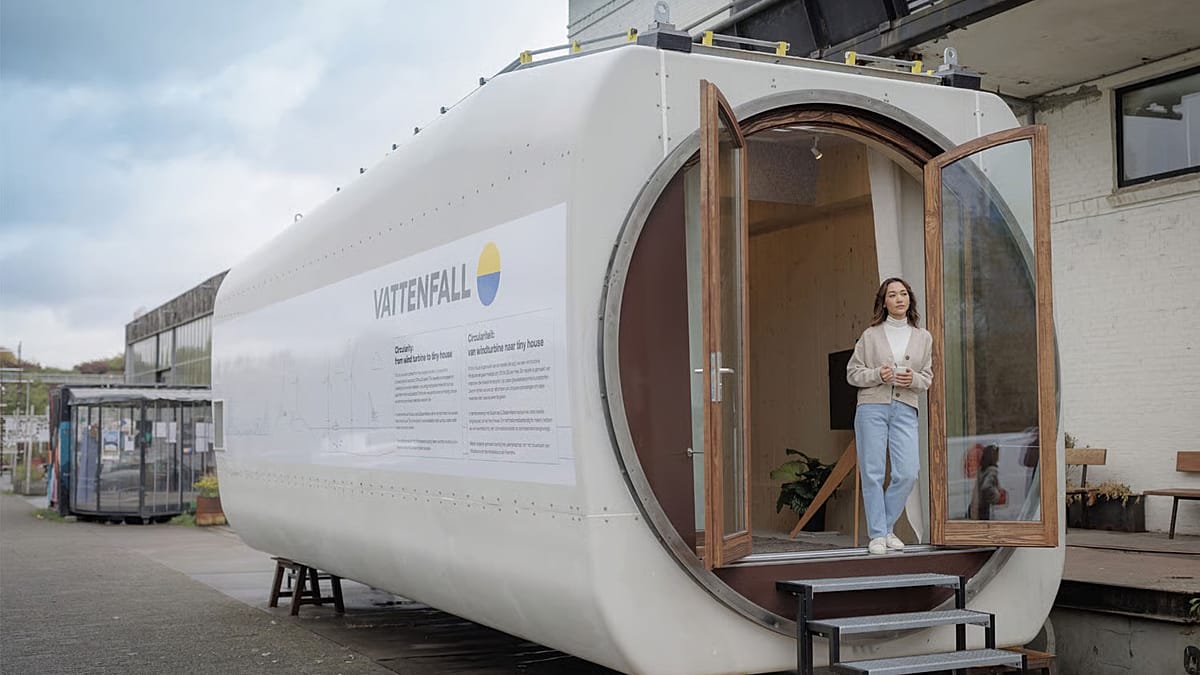
After about 20 years of service, these massive blades come down with nowhere to go. Tens of thousands get sawed into sections and buried in landfills, ground up for cement, or occasionally repurposed into European bike shelters.
The thing that generated clean power for two decades ends up in a trench.
Dorgan's team redesigned the resin itself from the end backward. They created a thermoplastic blend using glass fibers, a plant-derived polymer, and a synthetic one that performs just as well as traditional materials but comes apart on command.
Dissolve this new resin and the glass fibers release clean and ready for reuse. The freed polymer can be recast directly into another turbine blade, creating a closed loop the wind industry has never had.
A blade that becomes a blade again, indefinitely.
The Ripple Effect
The chemistry gets even more impressive from there. Digest the same resin in an alkaline solution and it yields plexiglass for car taillights and windows.
Push the reaction hotter and it produces the superabsorbent polymer inside disposable diapers. The team even cast recovered material into cultured stone and built a working bathroom sink.
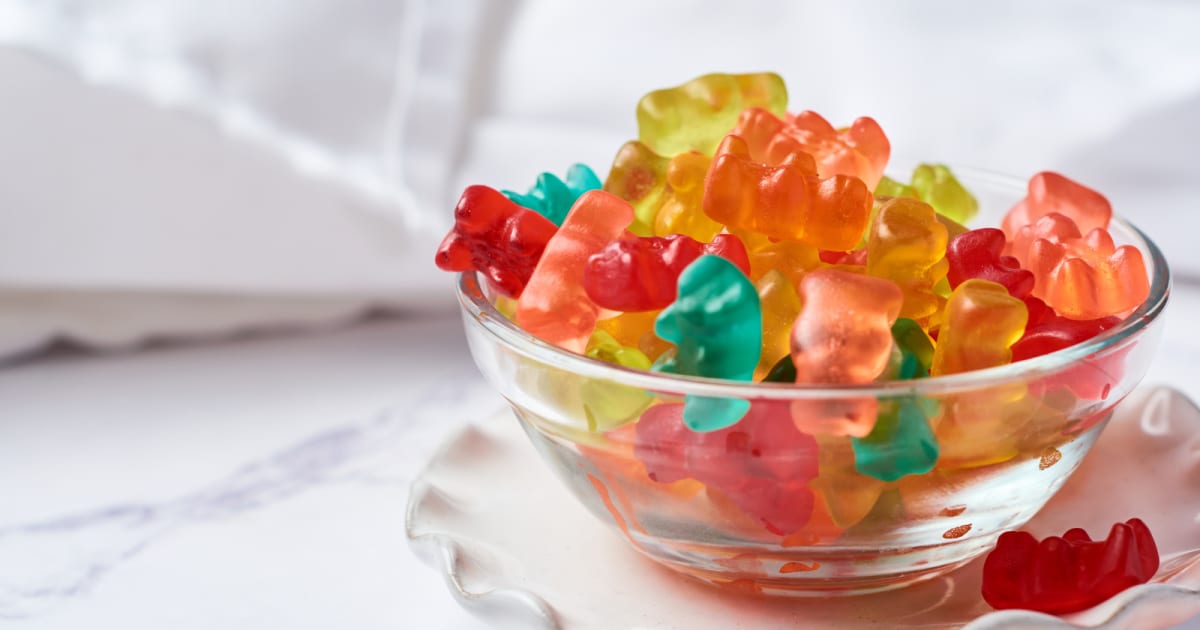
With one more chemical step, the resin breaks down into food-grade potassium lactate, a common preservative in candy and sports drinks. That's where the gummy bears came from and where Dorgan made his point with his own mouth.
The underlying idea is genuinely radical. A carbon atom from a plant is identical to a carbon atom from fossil fuel, which means you can run biomass from a field into a durable turbine blade and back into food.
At the molecular level, a well-designed polymer is just a temporary arrangement of atoms that can be reassigned. Build the material so its bonds can be undone on command, and a blade stops being a permanent object and becomes a bank of atoms on loan.
The team is honest about the hurdles. There isn't enough bio-based resin manufactured today to build turbines at industrial scale, and the economics only work if recycled blades become something worth more than landfill.
Nobody is proposing to feed the grid to children, and the public may need convincing. But the gummy bear is proof of concept that waste can be designed out of existence.
Clean energy just got a path to stay clean from birth to rebirth.
More Images


Based on reporting by Google News - Wind Energy
This story was written by BrightWire based on verified news reports.
Spread the positivity!
Share this good news with someone who needs it