Swedish Firm Turns Old Wind Turbines Into Homes and Skis
A retired wind turbine nacelle just became a fully functional tiny house with a kitchen, bathroom, and solar panels. Swedish energy company Vattenfall is proving that what comes down from wind towers doesn't have to end up in landfills.
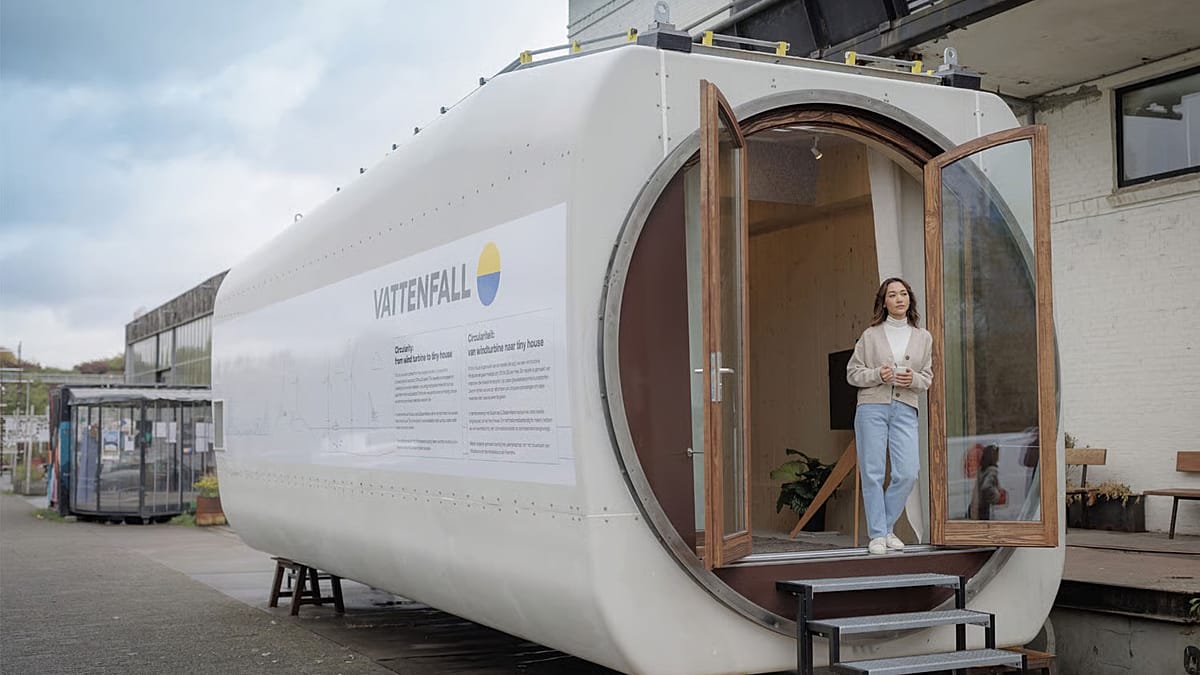
Imagine living inside a piece of equipment that once sat atop a 200-foot wind tower, generating clean energy for thousands of homes. That's exactly what Swedish company Vattenfall made possible when they transformed a retired turbine nacelle into a cozy tiny house.
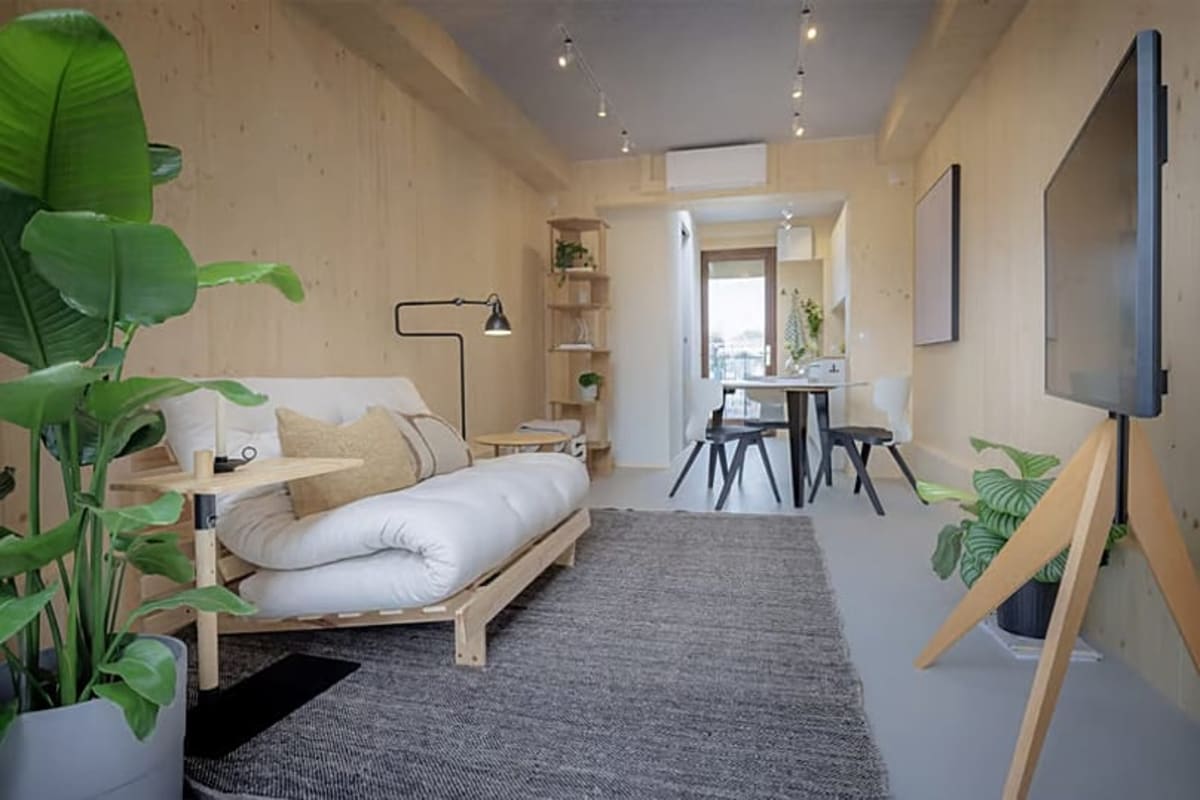
The box-shaped cover, measuring 33 feet long and 13 feet wide, spent years protecting the mechanical guts of an Austrian wind turbine. Now it's fitted with a kitchen, bathroom, living space, heat pump, and solar panels. Vattenfall showcased the home at Dutch Design Week in 2024 to inspire new thinking about materials that would otherwise go to waste.
Wind energy is booming across Europe. The continent installed enough new capacity in early 2026 to power seven million households and replace 25 LNG tankers worth of fossil fuel imports. But every turbine that goes up must eventually come down, creating a growing challenge for the industry.
Up to 90 percent of a wind turbine is made from easily recyclable steel, copper, aluminum, and concrete. The blades are trickier. They're built from layers of fiberglass, carbon fiber, resins, and wood pressed together to withstand 25 years of harsh weather. That durability makes them incredibly difficult to break down.
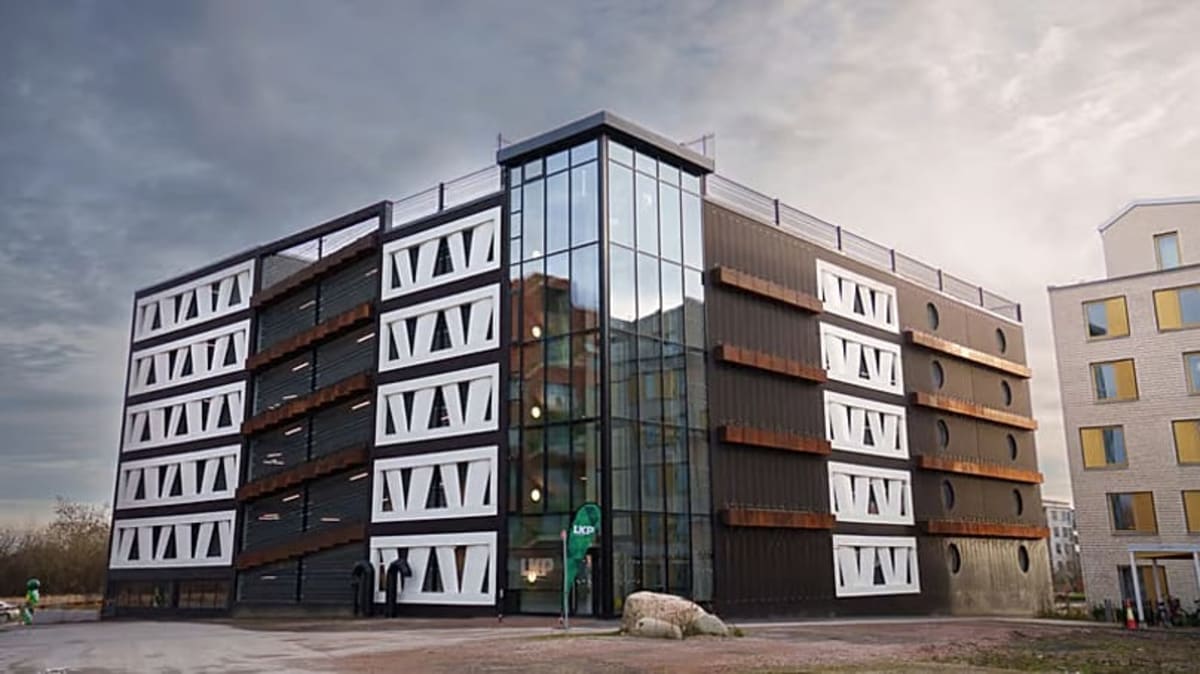
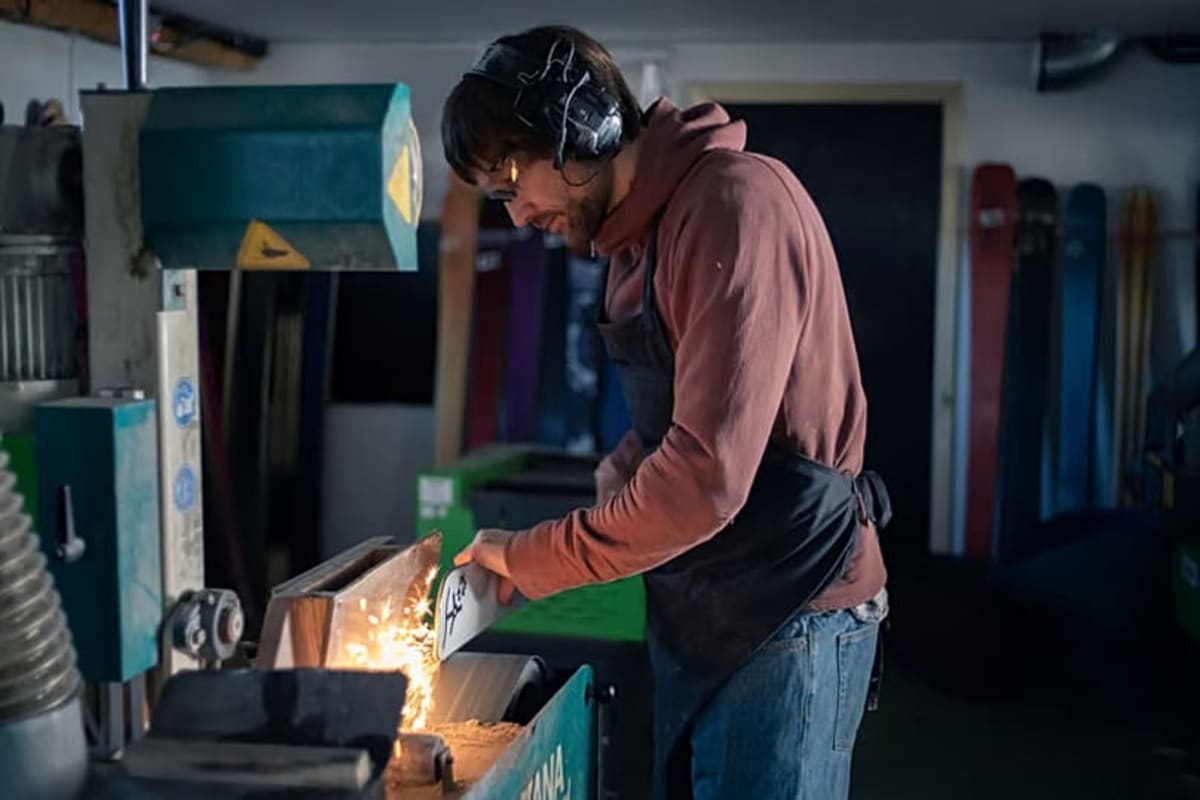
Vattenfall banned sending blades to landfills back in 2021, forcing themselves to get creative. They've turned 57 retired blades from a Danish wind farm into the facade of a parking garage in the Swedish city of Lund. Other projects have repurposed blade materials into frames for solar panels and even alpine skis.
Eva Julius-Philipp, Vattenfall's Director of Environment and Sustainability, admits these aren't large-scale solutions yet. But each experiment helps the company learn what's possible and stimulate markets for circular materials.
The real challenge is timing. Decommissioned blades don't arrive in a steady, predictable flow, making it hard for recycling solutions to scale economically. That's about to change as Europe's first generation of major wind farms reaches retirement age in the coming years.
The Ripple Effect
Vattenfall is racing toward 100 percent circularity for composite materials by 2030. They're using mechanical recycling to turn blade material into composite flakes and fillers, while thermal processes recover fibers for new products.
Only four European countries currently ban landfilling old blades: Austria, Finland, Germany, and the Netherlands. Industry groups are pushing Brussels to make the commitment legally binding across all EU member states.
The company hopes the European Commission's upcoming Circular Economy Act will create the regulatory framework needed to turn experimental projects into standard practice. What's needed most, Julius-Philipp says, is a system that enables circular value chains and secondary materials to scale.
Every solution starts small, and turning a turbine nacelle into someone's future home proves the building blocks for change are already here.
More Images
Based on reporting by Euronews
This story was written by BrightWire based on verified news reports.
Spread the positivity!
Share this good news with someone who needs it

