iRobot Exits Bankruptcy, Eyes Next-Gen Smart Homes
The maker of millions of Roomba vacuum cleaners has emerged from bankruptcy with new ownership and a stronger financial foundation. Meanwhile, delivery robot company Serve Robotics is bringing its scaling expertise to healthcare by acquiring hospital robot maker Diligent Robotics.
After months of financial uncertainty, iRobot is back in business with a fresh start and big plans for the future of smart homes.
The consumer robotics pioneer completed its Chapter 11 bankruptcy process this week under new ownership by Shenzhen Picea Robotics Co. The company says it now has an improved financial foundation and more resources to invest in developing the next generation of smart home robots.
iRobot had faced falling revenue and regulatory roadblocks that killed its proposed $1.7 billion acquisition by Amazon. But the company remains committed to its millions of customers who rely on its robotic vacuum cleaners every day.
The restructuring gives iRobot a second chance to innovate while continuing to support its existing fleet of robots already working in homes worldwide.
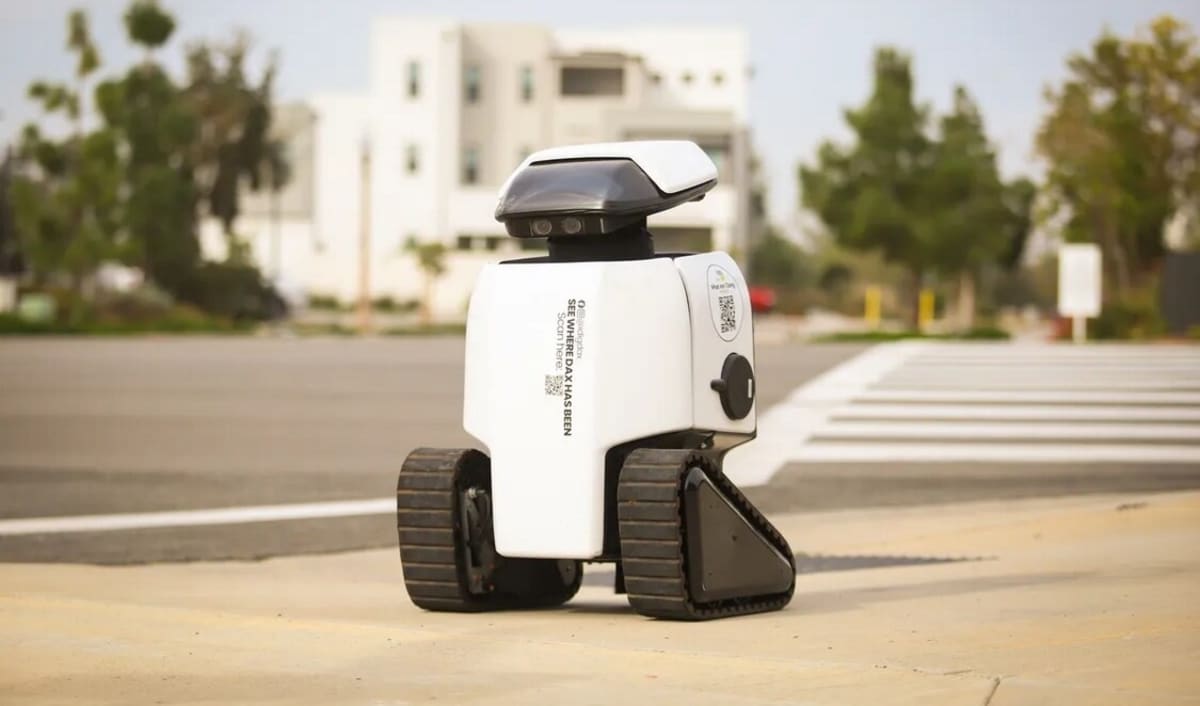
In other robotics news, Serve Robotics is expanding from sidewalks to hospital hallways. The delivery robot company announced it's acquiring Diligent Robotics for $29 million, marking its first move into indoor environments and healthcare.
Diligent's Moxi robots already work in more than 25 hospitals, where they've completed over 1.25 million deliveries of medical supplies. Serve CEO Ali Kashani plans to use his company's manufacturing and scaling capabilities to help Diligent grow even faster.
The Ripple Effect: These moves show how robotics companies are maturing and finding sustainable paths forward. iRobot's emergence from bankruptcy means continued innovation in home robotics, while Serve's acquisition could help more hospitals automate routine tasks so healthcare workers can spend more time with patients. Both stories point to a future where helpful robots become more common in our daily lives, not less.
Microsoft also joined the robotics innovation wave this week, unveiling Rho-alpha, a new vision-language model that translates natural language commands into robot controls. The system adds tactile sensing and can continuously improve through human feedback, making robots more adaptable and trustworthy.
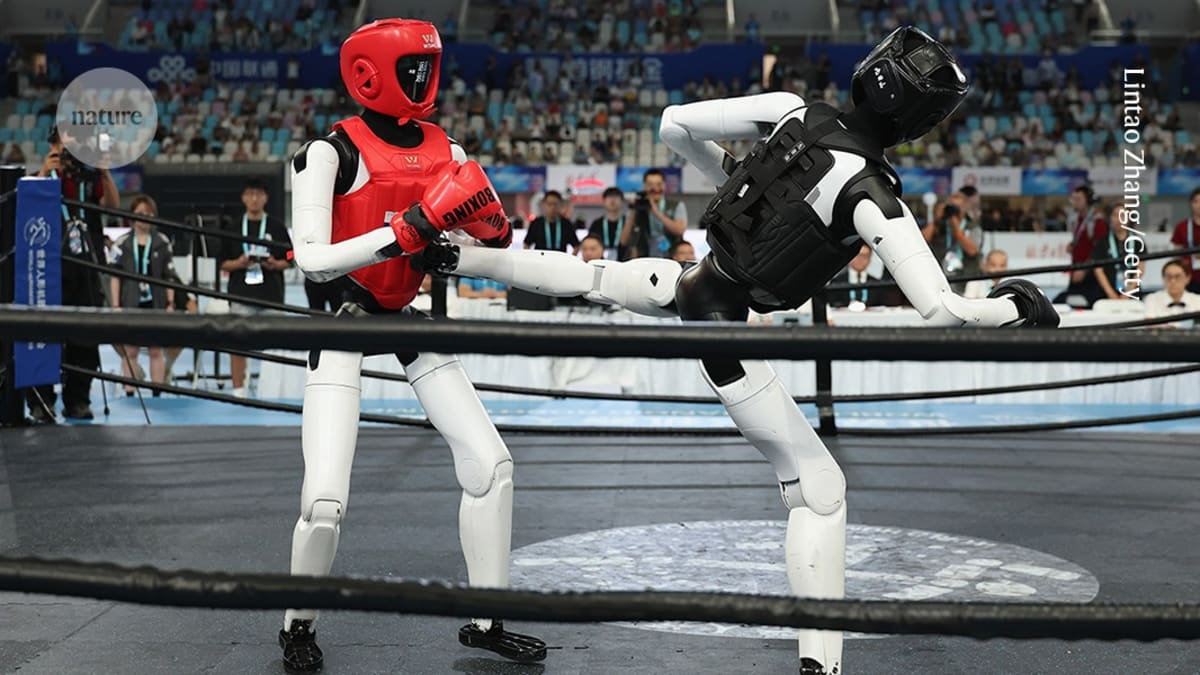
These developments arrive as the robotics industry navigates both excitement and concerns about automation. While robots promise to handle tedious tasks and improve efficiency, Hyundai Motor's Korean union recently warned the automaker not to deploy humanoid robots without approval, citing employment concerns.
The robotics revolution is advancing thoughtfully, with companies focused on practical applications that genuinely help people in their homes, hospitals, and workplaces.
More Images


Based on reporting by Google: robotics innovation
This story was written by BrightWire based on verified news reports.
Spread the positivity!
Share this good news with someone who needs it