Ishikawa Pledges Swift Recovery Two Years After Noto Floods
Two years after devastating floods claimed 21 lives in Japan's Noto Peninsula, Ishikawa Prefecture honored victims while recommitting to rebuilding communities still in recovery. The ceremony marks a turning point as officials promise faster action for the 381 residents still in temporary housing.
Communities across Ishikawa Prefecture paused Monday to remember the 21 lives lost in the torrential rains that devastated the Noto Peninsula two years ago, transforming grief into renewed commitment for those still rebuilding.
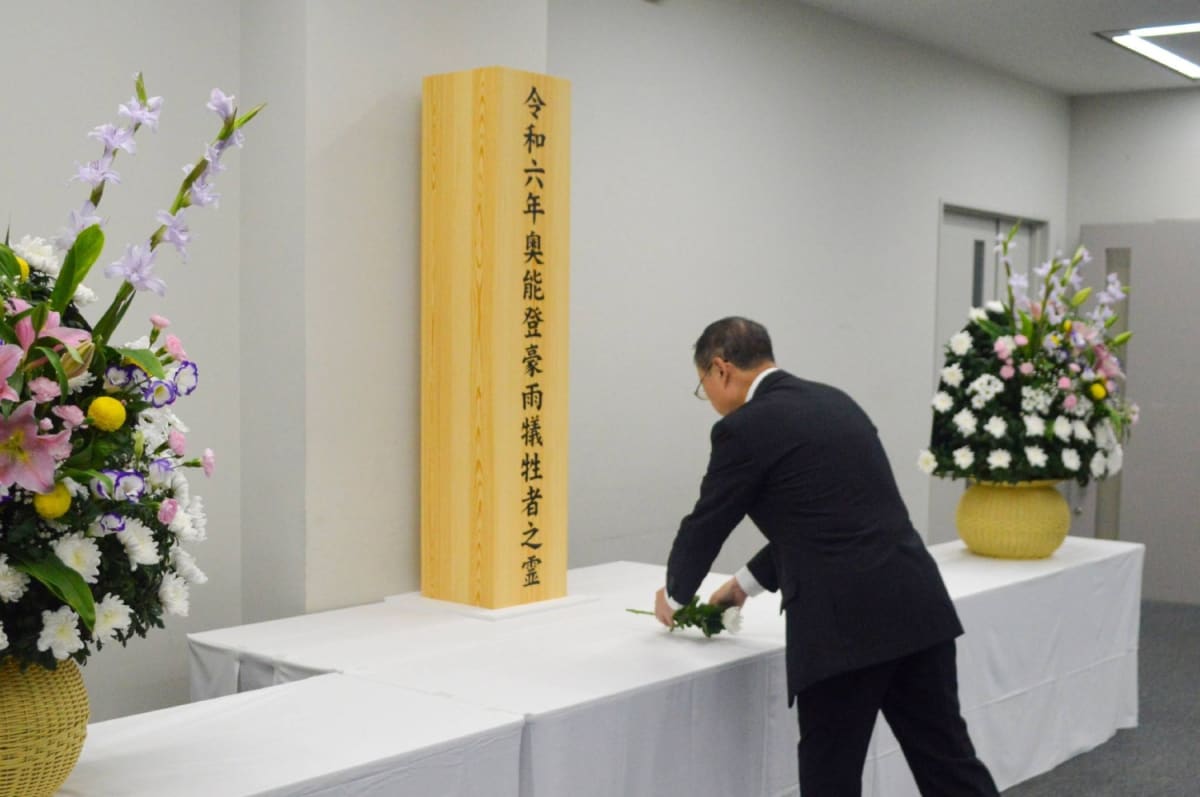
Governor Yukiyoshi Yamano laid flowers at the prefectural government building in Kanazawa, joining ceremonies at six locations across the region. His message carried both remembrance and promise.
"We will listen to the voices of people in the affected areas and work to achieve reconstruction as quickly as possible while staying as close as we can to their needs," Yamano said. The governor's words acknowledged what many survivors already know: recovery takes longer than headlines suggest.
In Wajima, where 14-year-old Hanon Kiso and others perished, residents gathered at three memorial sites. The city bore the heaviest burden of the disaster, losing precious young lives and countless homes.
The numbers tell a story of ongoing need. The 2022 disaster damaged 1,906 homes, with 83 completely destroyed and 659 partially wrecked. While most families have found permanent housing, 381 people from 165 households still call temporary shelters home.
Why This Inspires
What makes this anniversary different is the accountability. Rather than treating the memorial as a closing chapter, Ishikawa officials are using it as a launching point for faster, more responsive recovery efforts.
The governor's pledge to "stay as close as we can to their needs" signals a shift toward listening before acting. In disaster recovery, that approach makes all the difference between solutions that work on paper and ones that actually help families rebuild their lives.
Communities that face tragedy together often emerge stronger. Two years later, Wajima and Suzu aren't just surviving. They're holding leaders accountable, supporting neighbors still in transition, and ensuring that 21 lives lost continue to matter in how the region moves forward.
The 381 people still waiting for permanent homes represent unfinished work, but also a community that refuses to forget anyone left behind.
More Images

Based on reporting by Japan Times
This story was written by BrightWire based on verified news reports.
Spread the positivity!
Share this good news with someone who needs it