Isolated Regions Hold Key to Language Diversity
Scientists discovered why places like New Guinea and the Himalayas have incredibly diverse languages despite limited genetic mixing. The answer reveals how human isolation preserves unique ways of communicating that contact tends to erase.
The same forces that keep people genetically separate also allow their languages to evolve in wildly different directions, according to groundbreaking research from the University of Zurich.
At first glance, the finding seems backwards. Regions with lots of human migration typically show higher genetic diversity, so you'd expect their languages to vary more too. Instead, researchers found exactly the opposite pattern playing out across the globe.
"We were struck by how robust this inverse relationship is," says Anna Graff, the study's lead linguist. Places where populations mixed freely ended up genetically diverse but linguistically similar. Meanwhile, isolated regions with less genetic variety developed remarkably different language structures.
The research team combined massive genetic and linguistic datasets to uncover this pattern. They carefully adjusted for other influences like geography, population density, and environmental conditions to isolate what was really driving the changes.
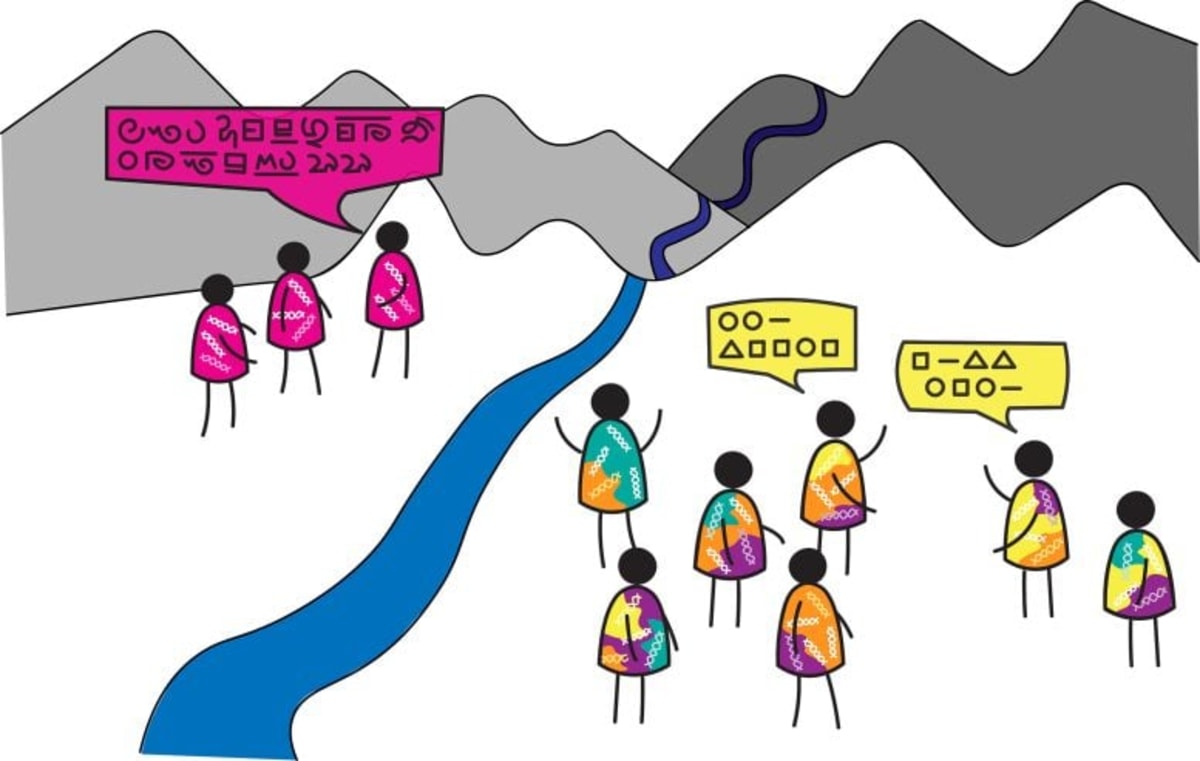
The explanation turns out to be surprisingly intuitive. When people mix through contact and migration, genes from different groups combine, boosting genetic diversity. But that same contact spreads linguistic features between communities, making languages more alike over time.
Isolation works in reverse. It limits the mixing of genes between populations, reducing genetic variety. But it gives languages room to evolve independently, preserving unique ways of organizing grammar, sound, and meaning.
Why This Inspires
This discovery helps explain why certain corners of our world are linguistic treasure troves. New Guinea and the Himalayan regions, both relatively isolated genetically, showcase an exceptional range of language structures found nowhere else on Earth.
"Such hotspots give us a glimpse of what languages can do when evolving under conditions of relative isolation," explains Balthasar Bickel, Director of the Institute for the Interdisciplinary Study of Language Evolution. These regions preserve a wider range of grammatical possibilities that disappeared elsewhere through centuries of contact.
The research reveals something profound about human diversity. The same historical processes that shaped where we came from also shaped how we communicate. Population geneticist Chiara Barbieri notes that contact and isolation simply affect genes and languages in opposite but equally powerful ways.
The finding reminds us that linguistic diversity represents an irreplaceable aspect of human heritage. Each unique language structure preserves different ways of expressing thought and organizing meaning that developed over millennia.
What initially looked like a paradox reveals a simple truth: the processes keeping populations apart allow languages to grow apart as well, creating the rich tapestry of human communication we see today.
More Images
Based on reporting by Google News - Scientists Discover
This story was written by BrightWire based on verified news reports.
Spread the positivity!
Share this good news with someone who needs it