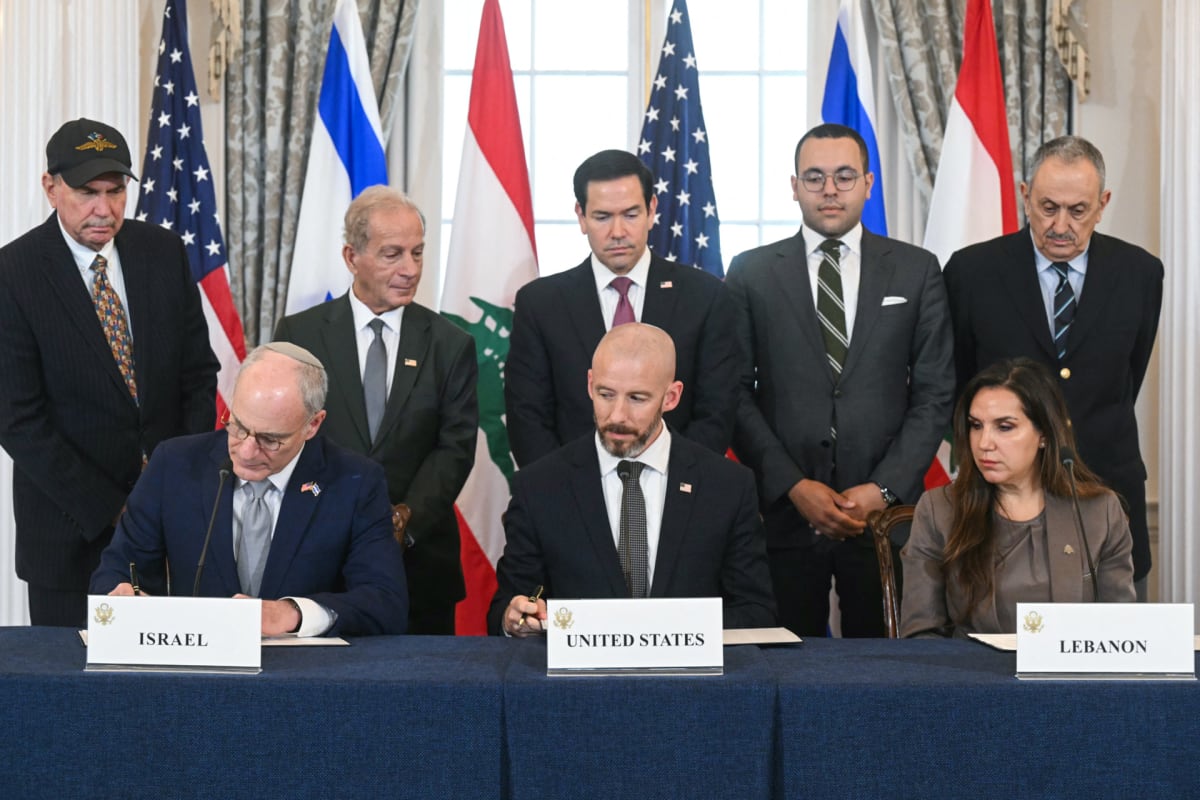
Israel and Lebanon Sign Historic Peace Framework Deal
After decades of conflict, Israel and Lebanon have signed a groundbreaking agreement to end hostilities and build peaceful relations. The US-backed deal creates a roadmap for peace, marking a major step toward stability in the Middle East.
Israel and Lebanon just took a historic step toward ending decades of war. On June 26, the two nations signed a framework agreement that could finally bring lasting peace to their shared border.
The trilateral deal, also signed by the United States, builds on previous attempts at peace dating back to 1967. This time, both countries committed to ending their state of war and establishing friendly neighborly relations for the first time in their history.
The agreement tackles the root cause of recent tensions by addressing Hezbollah, the Iran-backed militia operating in Lebanese territory. Lebanon pledged to disarm non-state armed groups and assert full government control over its entire territory, while Israel committed to withdrawing its forces as security improves.
The plan works through reciprocal, verifiable steps. As Lebanese Armed Forces dismantle militia infrastructure in designated pilot zones, Israeli troops will progressively withdraw. Once the Lebanese military takes full control, reconstruction can begin and displaced families can safely return home.
Both nations made clear commitments about their intentions. Lebanon reaffirmed that only its government can declare war or make peace, not armed groups. Israel declared it has no territorial ambitions in Lebanon and only acts against security threats from non-state actors.
The United States promised substantial support for Lebanon's recovery, including humanitarian aid, reconstruction assistance, and economic investment programs. This financial backing gives the peace process real momentum and helps ensure Lebanon can succeed in rebuilding.
The first pilot withdrawals began on July 21, when Lebanese forces started deploying in designated zones and some families returned to their homes. While Lebanon has raised concerns about implementation delays, both sides remain committed to working groups that will draft a comprehensive final peace agreement.
The Ripple Effect: This agreement represents more than just peace between two neighbors. It demonstrates that longstanding Middle East conflicts can find diplomatic solutions when nations commit to good faith negotiations with international support. The framework creates a template for resolving disputes through verified, step-by-step processes rather than endless military confrontation.
Article 13 includes confidence-building measures like halting hostile actions in international forums and working to return the remains of those lost in past conflicts. These human touches acknowledge the pain on both sides while focusing energy on building a shared peaceful future.
After generations of war, families in southern Lebanon and northern Israel finally have reason to hope for lasting security and normal relations between their countries.
More Images


Based on reporting by Google News - Peace Agreement
This story was written by BrightWire based on verified news reports.
Spread the positivity!
Share this good news with someone who needs it