Israel Breaks Ground on Record-Breaking Solar Plant
Israel just locked in financing for its largest solar power plant ever, a massive 265-megawatt facility near Dimona that will power homes at record-low rates. Construction starts now and wraps in two years, pushing the country closer to its 2030 clean energy goals.
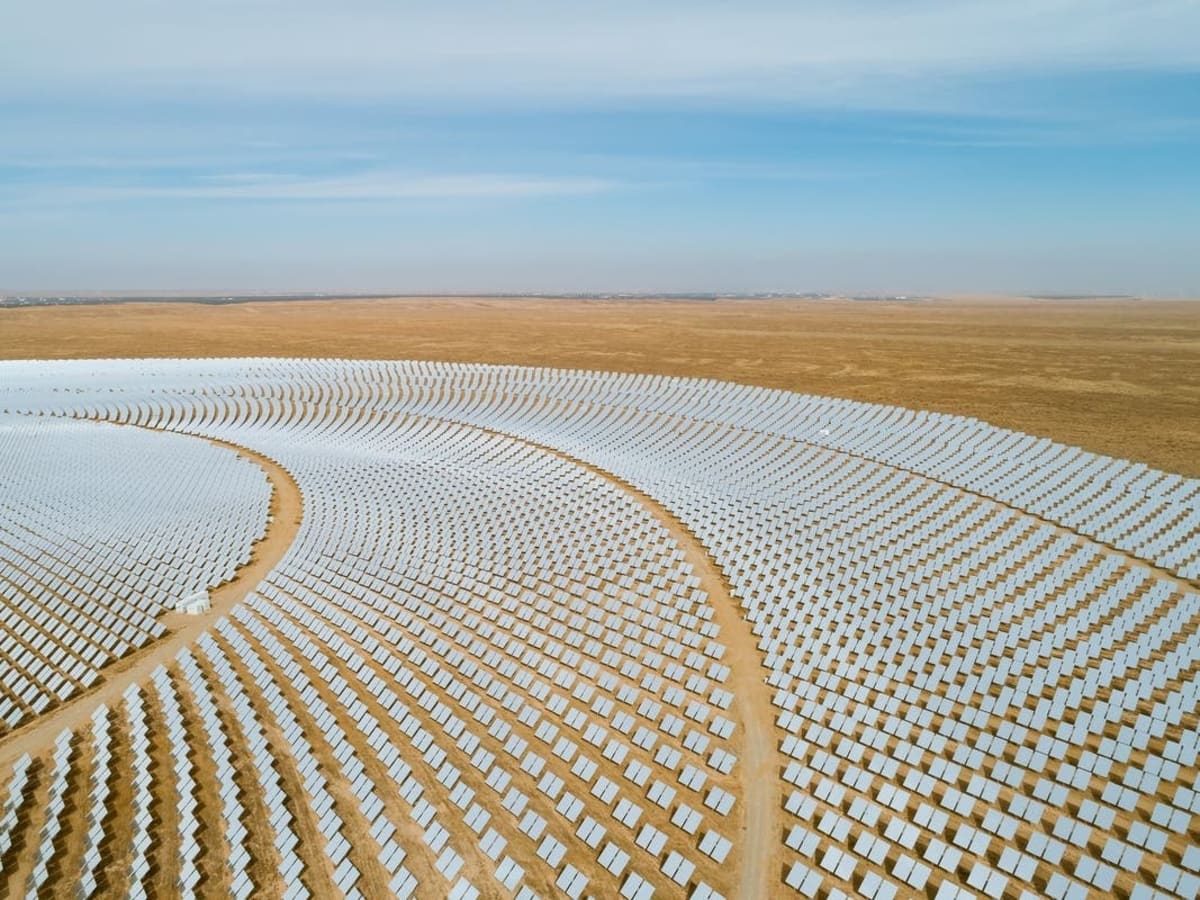
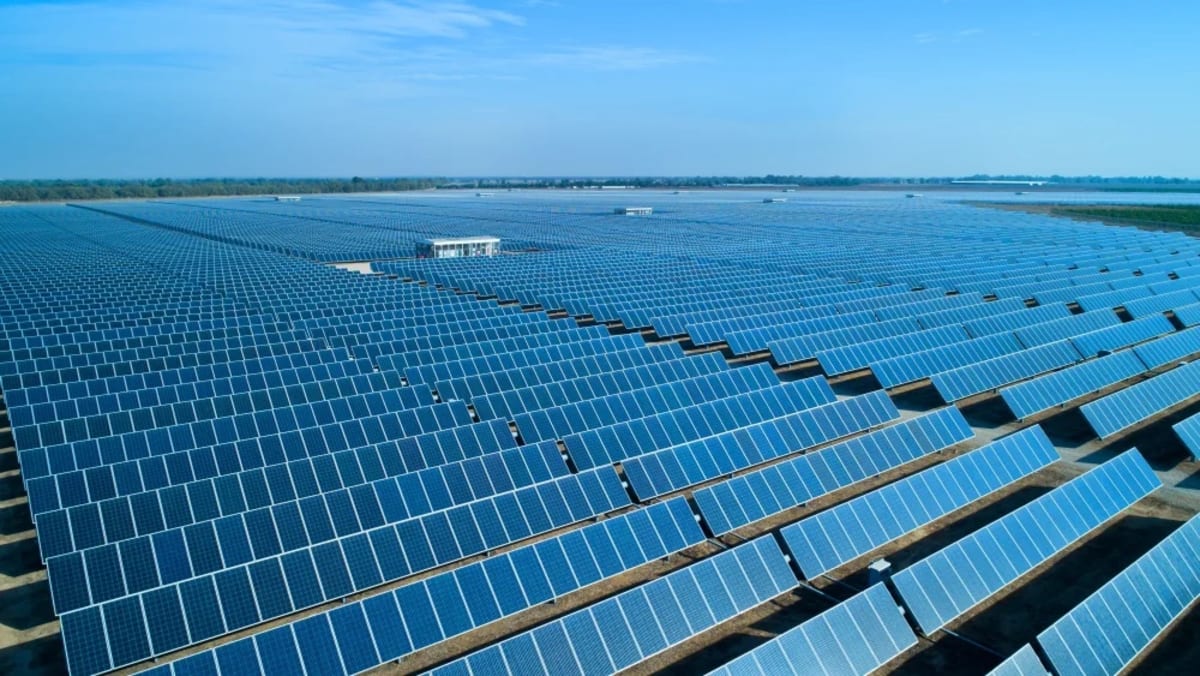
Israel's sun-soaked Negev Desert is about to become home to the country's most powerful solar energy facility, turning 740 acres of open land into a renewable energy powerhouse.
French energy giant EDF Renewables won the contract with a jaw-dropping bid of just $0.022 per kilowatt-hour, the lowest electricity rate Israel has ever seen. The 265-megawatt solar plant near Dimona will start construction immediately and be operational within two years.
The timing couldn't be better. As artificial intelligence drives up global energy demand, Israel is racing to build both the data centers that power AI and the clean energy to run them. Energy Minister Eli Cohen sees the Negev's endless sunshine as a massive advantage in that race.
"The southern region has the potential to become a hub for clean energy production located near server farms," Cohen told reporters Sunday. That proximity means less energy lost in transmission and more efficient operations overall.
The project uses a public-private partnership model where EDF Renewables handles everything from planning to maintenance for 25 years before handing the keys to the Israeli government. It's one of several major solar initiatives in the Ashalim area that together will pump out more than 800 megawatts of clean electricity.
Finance Minister Bezalel Smotrich called it "a significant achievement for the public and the economy," highlighting how competition drove down costs while ramping up capacity. Lower electricity rates mean savings for households and businesses across Israel.
The Ripple Effect
This solar plant does more than just generate clean power. It creates high-quality jobs in southern Israel, reduces carbon emissions, and moves the entire country toward its goal of generating 30% of electricity from renewable sources by 2030.
The project shows how large-scale infrastructure can address multiple challenges at once: climate change, energy security, economic development, and technological advancement. Other countries watching Israel's solar expansion are taking notes on how to balance aggressive renewable energy targets with economic efficiency.
As global temperatures rise and energy demands soar, Israel's bet on solar power in the desert proves that geographic challenges can become strategic advantages with the right investment and innovation.
More Images



Based on reporting by Google News - Israel Technology
This story was written by BrightWire based on verified news reports.
Spread the positivity!
Share this good news with someone who needs it