Israel Unearths 400,000-Year-Old Cave and Ancient Artifacts
A sealed prehistoric cave and rare Roman statues are among dozens of archaeological treasures discovered across Israel this year, revealing layers of human history from our earliest ancestors to Byzantine Christians. Second-graders, university teams, and professional archaeologists are all part of the breakthrough finds.
History keeps revealing itself beneath Israel's soil, and 2026 is proving to be a remarkable year for discoveries that span nearly half a million years of human existence.
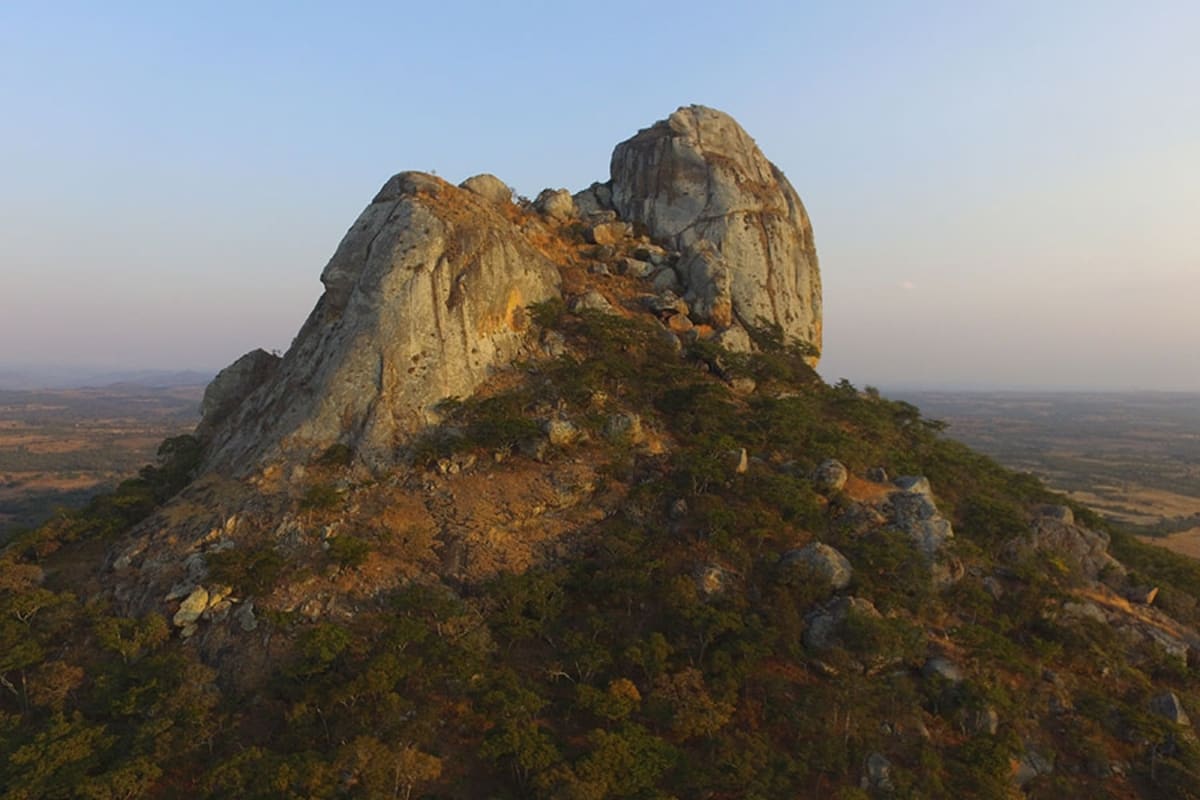
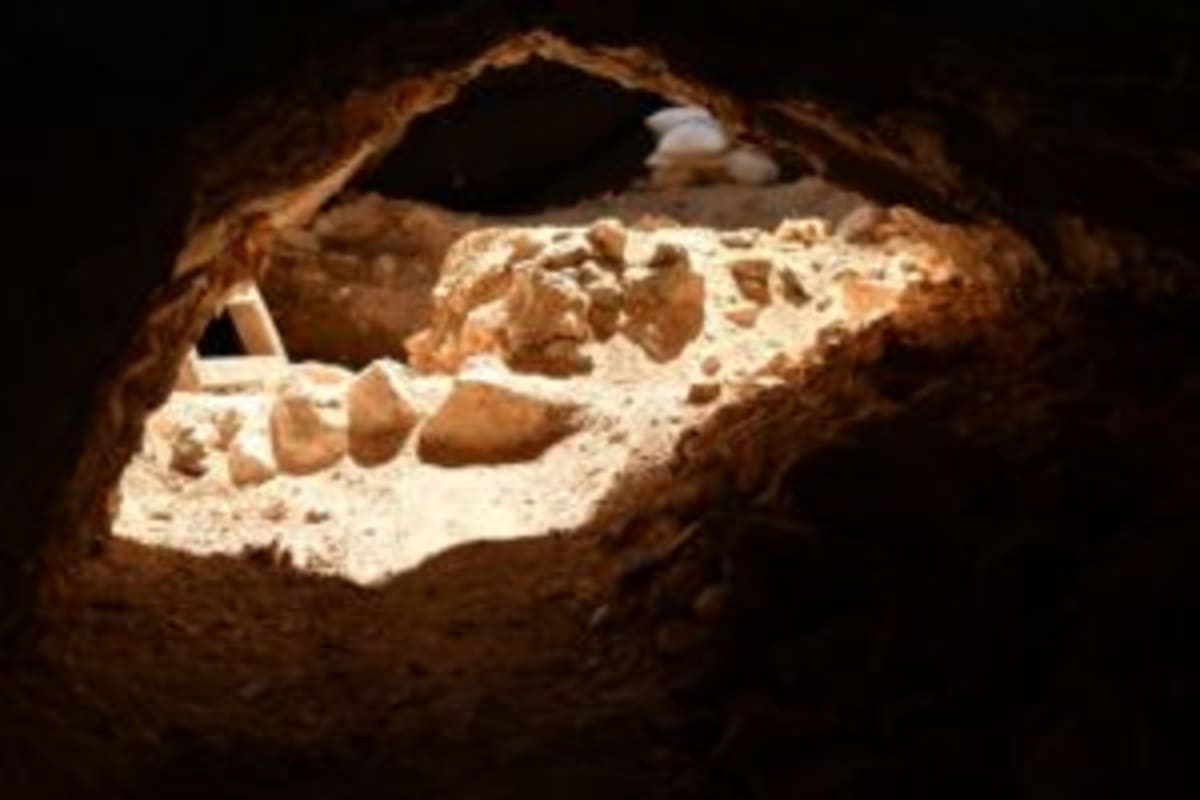
The most stunning find came near Haifa, where archaeologists uncovered a prehistoric cave sealed for up to 400,000 years. The site dates to the Acheulo-Yabrudian culture, a critical moment just before modern humans became dominant on Earth, offering scientists an untouched window into early human life.
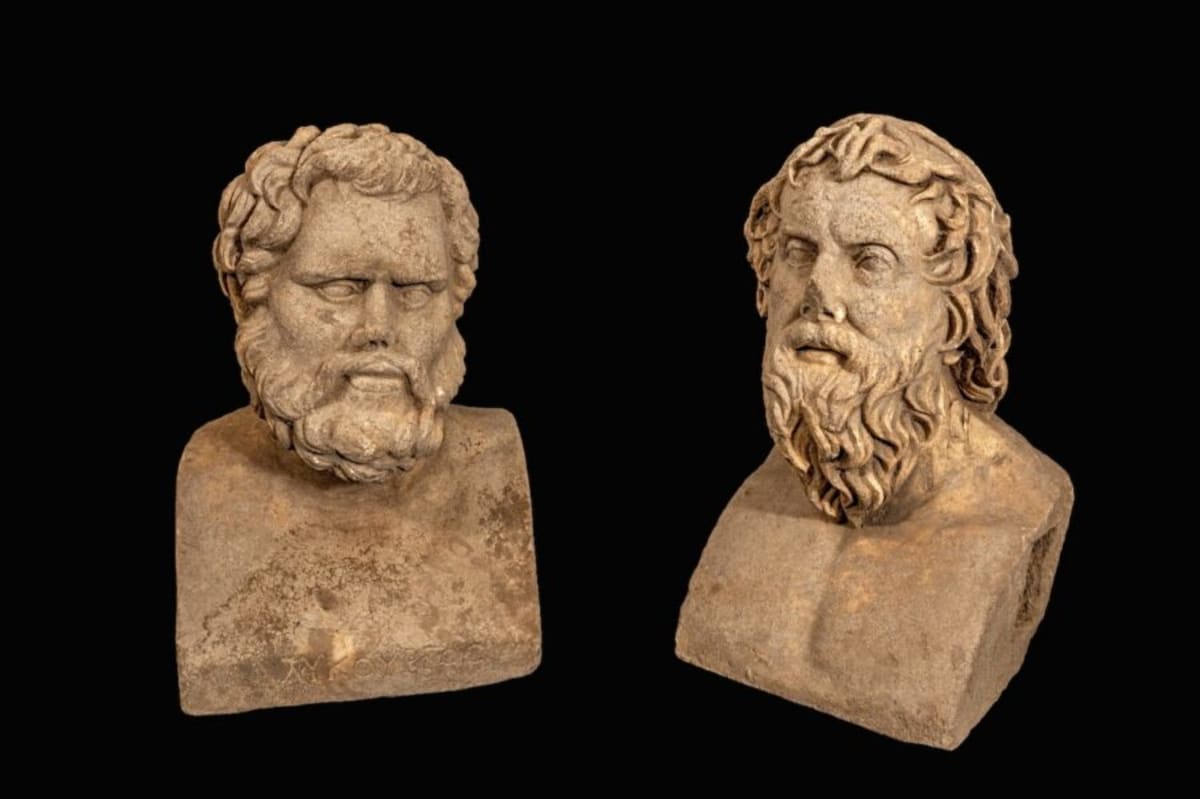
But ancient history isn't the only story emerging from the ground. Two remarkably preserved marble statues from the Roman Empire were discovered during railway construction near Binyamina, buried in a wine collection pit. One statue bears a Greek inscription with the name "Lycurgus," connecting modern visitors to individuals who lived 1,700 years ago.
The Israel Antiquities Authority has been leading excavations across the country, joined by the University of Haifa and community volunteers. In one community dig at ancient Susya, a second-grader spotted a rare 1,500-year-old bronze scale pan used by Byzantine merchants to weigh goods at market.
Near the Sea of Galilee, researchers found a 2,000-year-old sling bullet bearing the Greek word "Learn" etched into the lead. Experts believe it was a taunting message meant for enemies during ancient battles, showing that psychological warfare is nothing new.
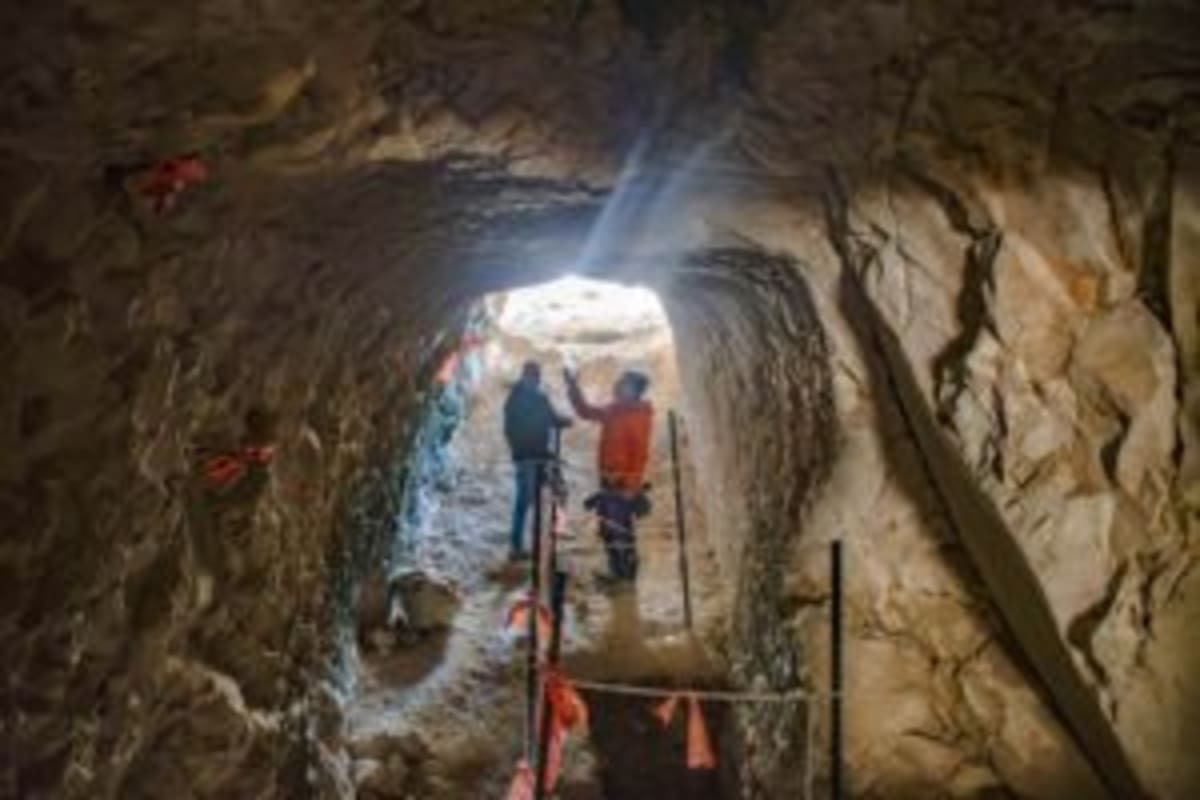
Ancient tunnels measuring 16 by 10 feet were also discovered beneath Jerusalem near Kibbutz Ramat Rachel. While their exact purpose remains uncertain, researchers believe they may have been used for quarrying building stones or producing lime.
In the Golan Heights, a 1,300-year-old marble bowl emerged from a cathedral site, likely used as an offering table by early Christian communities.
The Ripple Effect
What makes these discoveries special isn't just their age or condition. They're being found by everyone from elementary school students to professional archaeologists, creating moments where everyday people connect directly with the past. When a child uncovers a Byzantine scale or researchers reveal statues that haven't seen daylight in nearly two millennia, history stops being something in textbooks and becomes tangible.
Tourism Commissioner Yoram Elgrabli notes that few places let visitors witness history being uncovered in real time. The newly discovered Roman statues will be displayed at Tel Aviv's MUZA museum this summer, giving the public a chance to see them shortly after their emergence from the earth.
These finds remind us that our shared human story continues to unfold, and sometimes the most important chapters are still waiting to be read.
More Images

Based on reporting by Google: archaeological discovery
This story was written by BrightWire based on verified news reports.
Spread the positivity!
Share this good news with someone who needs it