Israeli Brain Stimulation Reverses Schizophrenia Symptoms
Scientists in Israel successfully reversed schizophrenia symptoms in lab trials using targeted brain stimulation, offering hope for millions who don't respond to current treatments. The breakthrough could transform care for one-third of the world's 21 million schizophrenia patients.
For the first time, researchers have shown they can reverse the severe thinking problems caused by schizophrenia using carefully targeted electrical signals in the brain.
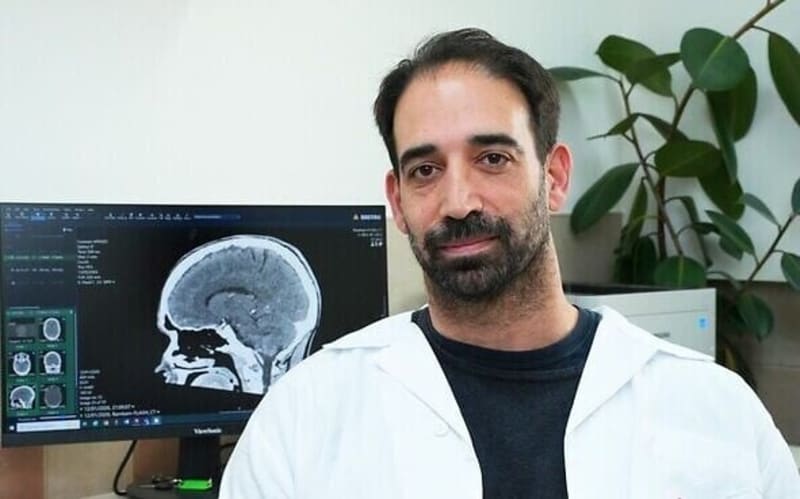
Dr. Nir Asch and his team at Rambam Health Care Campus in Haifa discovered that stimulating a specific brain region instantly restored normal thinking patterns. The results appeared in the journal Nature Communications and represent a potential lifeline for patients who don't improve with existing medications.
The research focused on a brain area called the globus pallidus externus, which acts like a gateway for decision-making. When scientists applied gentle electrical pulses at a specific frequency, the results were immediate and dramatic.
"The cognitive inflexibility was cured," Asch explained. Test subjects returned to healthy levels of thinking and became much less chaotic in their behavior.
Schizophrenia affects about 21 million people worldwide, according to the World Health Organization. One-third of these patients are treatment-resistant, meaning current medications don't help them enough.
The condition typically starts in a person's early twenties and becomes lifelong. Symptoms include hallucinations, delusions, disorganized thinking, and an inability to adapt when situations change.
Asch describes the core problem simply. The brain normally works as a prediction machine, constantly updating its understanding based on sensory input from the world.
In schizophrenia, this updating process breaks down. Patients get stuck in their own internal models and can't adjust even when reality clearly changes around them.
The Israeli team worked under Prof. Hagai Bergman from Hebrew University, a pioneer in deep brain stimulation for Parkinson's disease. They used computational modeling and machine learning to identify exactly where and how to intervene.
Why This Inspires
This breakthrough matters because it offers the first mechanically-based explanation for what goes wrong in schizophrenia, not just a description of symptoms. Understanding the mechanism opens doors to real solutions.
People with schizophrenia die nine years earlier than the general population, often from related physical illnesses like diabetes. The condition damages cognitive skills like memory and attention, making everyday tasks incredibly difficult.
The research also carries personal and social weight. Patients face severe stigma and often lose their ability to work or maintain relationships.
While human trials still lie ahead, the precision of these results suggests deep brain stimulation could eventually join the treatment toolkit. For patients who've tried everything else without success, that possibility represents genuine hope.
One day soon, targeted brain stimulation might help millions of people reclaim the flexibility of thought most of us take for granted.
More Images

Based on reporting by Google News - Health Breakthrough
This story was written by BrightWire based on verified news reports.
Spread the positivity!
Share this good news with someone who needs it