Israeli Scientists Find New Hope for Prostate Cancer
Researchers at the Weizmann Institute discovered why half of prostate cancers resist treatment and identified a potential solution already approved by the FDA. The breakthrough could transform care for 700,000 men diagnosed with this cancer type annually.
Scientists in Israel just solved a puzzle that's frustrated cancer doctors for years: why so many prostate tumors stop responding to the very treatments designed to fight them.
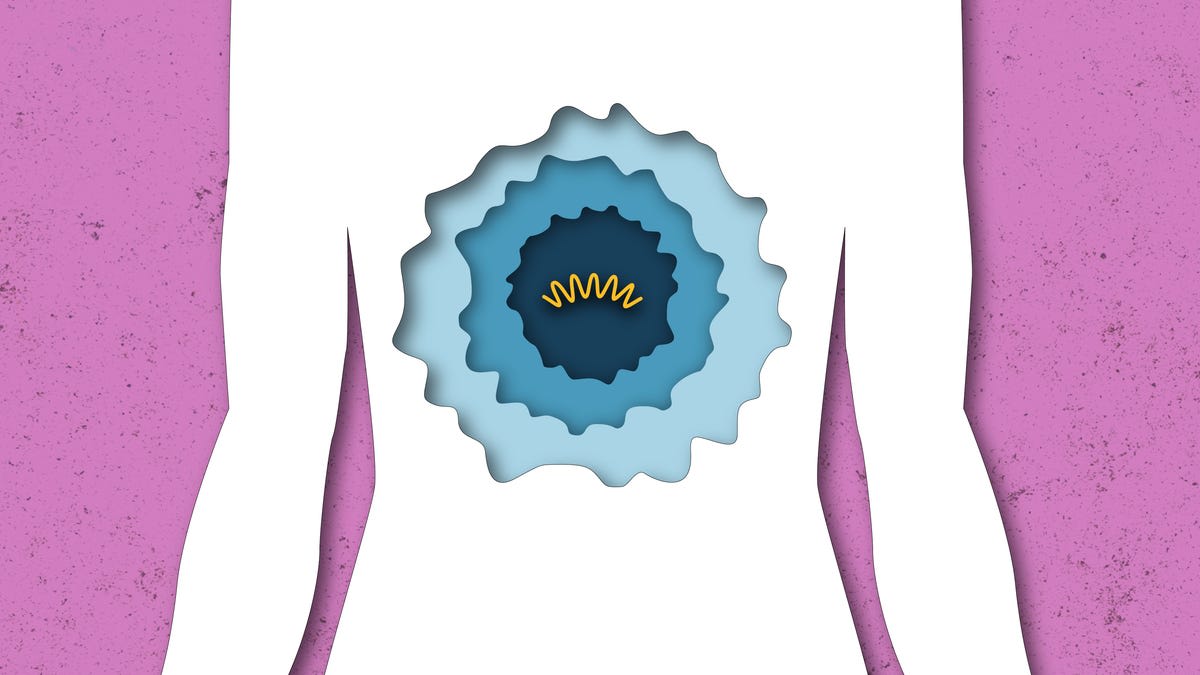
A team at the Weizmann Institute of Science discovered that about half of all prostate cancers carry a genetic quirk that lets them survive by switching fuel sources. When doctors block testosterone (the hormone that typically feeds these tumors), the cancer cells simply pivot to using cortisol instead.
Professor Yosef Yarden, who led the study, found this happens through a gene fusion where two separate genes abnormally merge into one. This hybrid gene acts like a backup generator, keeping cancer cells alive even when standard hormone therapy should stop them.
The discovery matters because prostate cancer affects 1.4 million men worldwide each year. Current treatments work initially, but tumors often find ways to keep growing despite aggressive hormone blocking therapy.
The Bright Side
The research team didn't just identify the problem. They tested a solution in mice that combines standard hormone therapy with drugs that block cortisol receptors. The combination reduced tumor growth and extended survival in the animals.
Even better, the cortisol-blocking drug they tested already exists. The FDA approved it last month for ovarian cancer treatment, which means it could potentially reach prostate cancer patients much faster than a brand new medication would.
The findings, published in EMBO Molecular Medicine, also revealed an unexpected risk. Many advanced prostate cancer patients receive steroid medications, which can actually activate cortisol receptors and inadvertently help tumors grow in patients with this gene fusion.
Doctors could soon screen patients for the gene fusion to identify who faces the highest risk of treatment resistance. Those patients could receive the combination therapy from the start, potentially preventing resistance before it develops rather than waiting to react when standard treatment fails.
Why This Matters
This represents a shift toward truly personalized cancer care. Instead of treating all prostate cancers the same way and hoping for the best, doctors could match specific treatments to each tumor's genetic profile.
With roughly 700,000 men worldwide carrying this particular gene fusion, the potential impact reaches far beyond laboratory mice.
The research shows how understanding cancer's survival strategies at the molecular level opens doors that seemed locked just years ago.
More Images

Based on reporting by Google News - New Treatment
This story was written by BrightWire based on verified news reports.
Spread the positivity!
Share this good news with someone who needs it