Italy Launches 5 Ancient Walking Routes Across Europe
Five ancient pilgrimage routes spanning thousands of kilometers now unite Italy as Europe's slow travel destination. The newly coordinated Antichi Cammini d'Italia brings together paths walked for over a thousand years.
Italy just made a powerful case for slowing down and rediscovering how medieval pilgrims once crossed Europe on foot.
The country has united five ancient walking routes under one coordinated initiative called Antichi Cammini d'Italia, or Ancient Walking Routes of Italy. Each route carries Council of Europe certification and together they span thousands of kilometers from the Baltic states to Rome, passing through some of Europe's most historically rich landscapes.
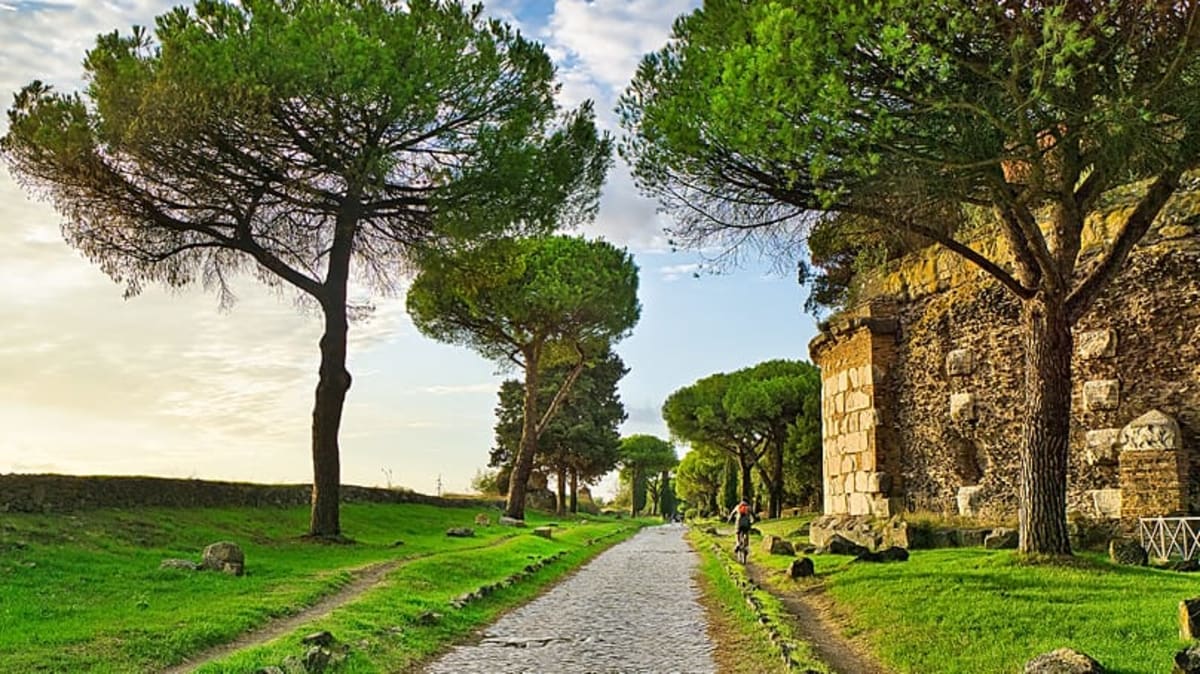
The Via Francigena, the most famous of the five, follows the exact journey recorded by Archbishop Sigeric of Canterbury in 990 AD. He documented all 79 stages of his return from Rome to England, creating what became a blueprint for modern walkers. Within Italy alone, the route covers 1,000 kilometers across 45 stages, ending at St Peter's Basilica in Rome.
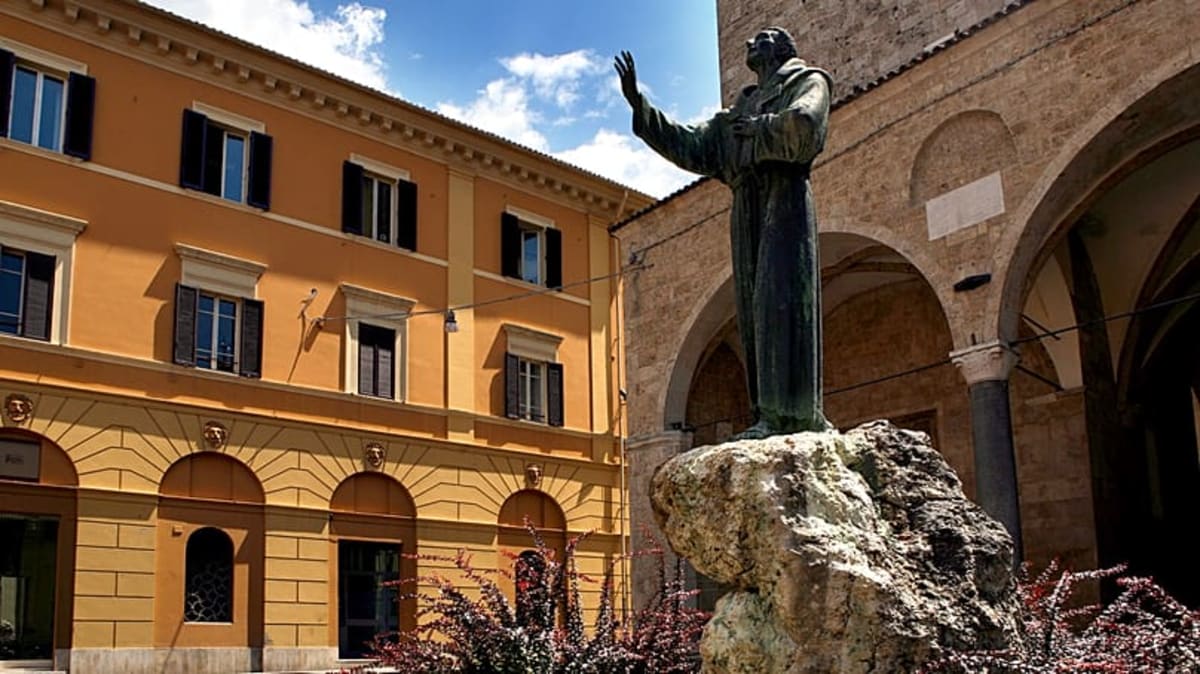
The Via di Francesco honors Saint Francis of Assisi, tracing the paths he walked through central Italy in the 1200s. The 300-kilometer route includes Greccio, home to the world's first nativity scene from 1223, and rewards those who complete it with a Testimonium certificate in Assisi.
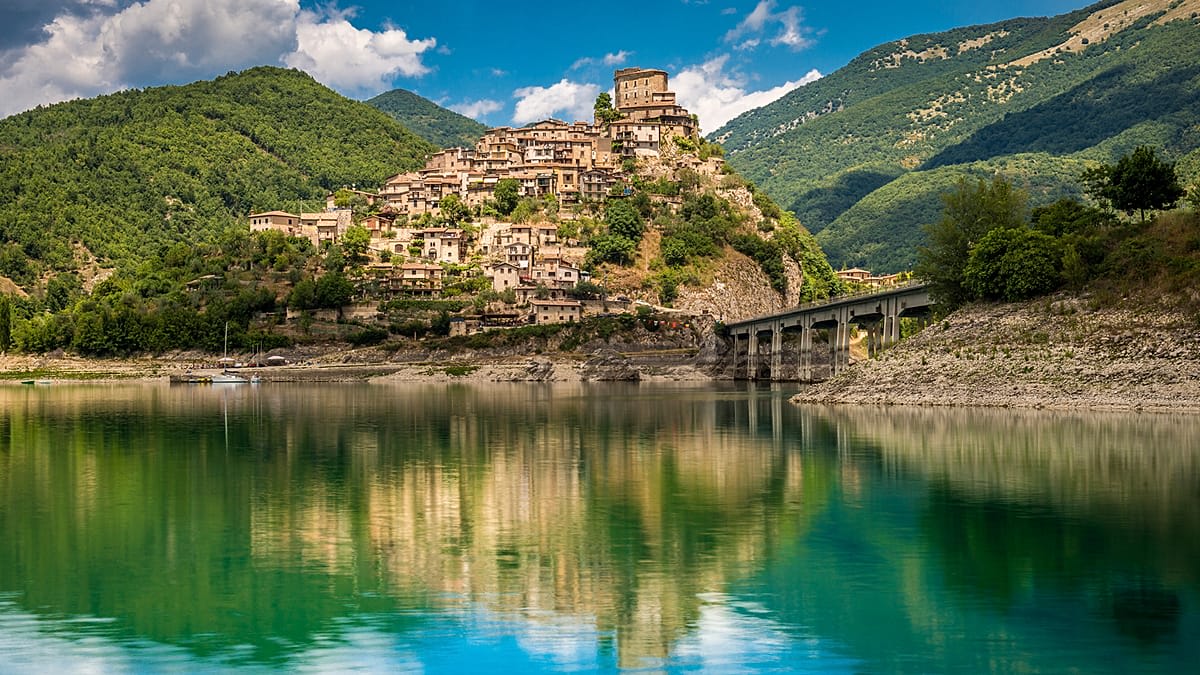
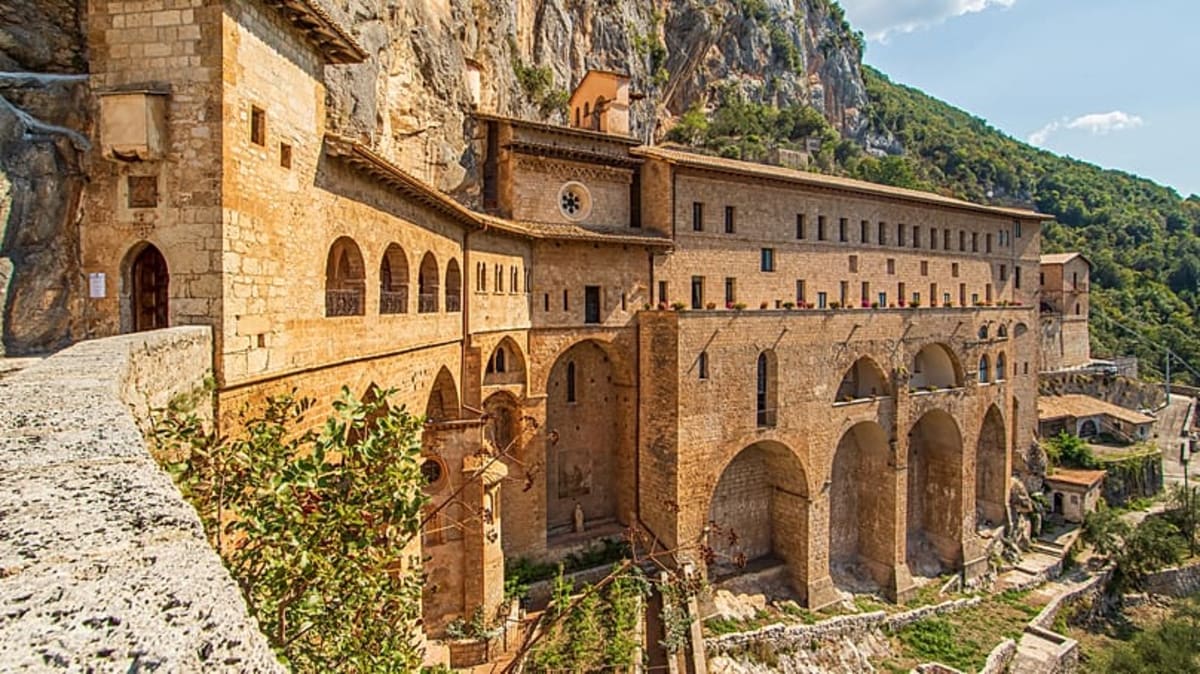
For walkers seeking quieter paths, the Cammino di San Benedetto links three places connected to Benedict of Norcia, the Father of Western Monasticism. The 300-kilometer route passes through Subiaco, where Italy's first printing press operated in 1465.
The Romea Strata earned its Council of Europe designation in June 2025, making it the newest certified route. It's also the most ambitious, reconstructing over 4,000 kilometers of ancient roads across seven countries and touching more than 50 UNESCO sites.
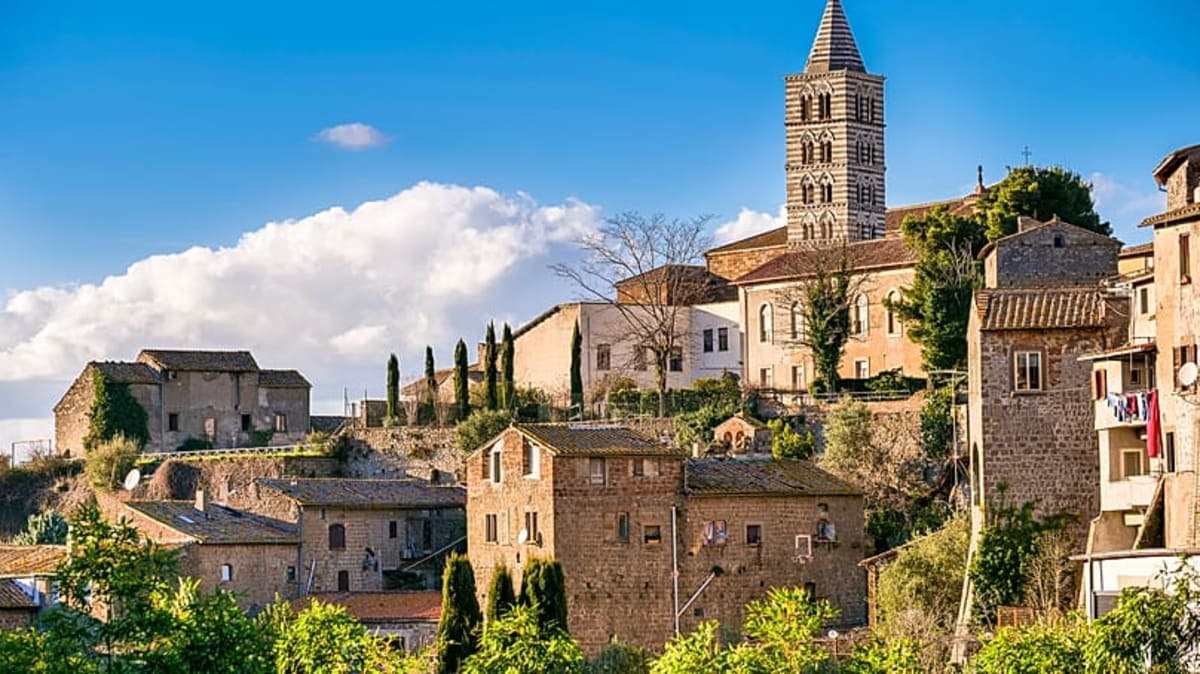
The Via Romea Germanica follows a 1236 itinerary by Abbot Albert of Stade, descending from Germany's Brenner Pass through 1,050 kilometers of Italian landscape. It passes clifftop towns like Civita di Bagnoregio that look almost unchanged since medieval times.
The Ripple Effect
This coordinated promotion positions Italy as Europe's reference point for slow cultural tourism, a travel segment growing faster than almost any other. These aren't new trails cut for tourists but actual roads that carried faith, trade, and ideas across continents for more than a millennium.
Walking these routes means following in footsteps left by countless pilgrims, merchants, and seekers who shaped European culture. Towns along the way have maintained hospitality traditions stretching back centuries, offering modern walkers the same welcome extended to medieval travelers.
The initiative arrives as travelers increasingly seek meaningful experiences over rushed itineraries. Instead of checking off landmarks, walkers on these routes experience landscapes the way people did for hundreds of years, one footstep at a time.
These ancient roads prove that sometimes the best way forward is to walk the paths others traveled long ago.
More Images
Based on reporting by Euronews
This story was written by BrightWire based on verified news reports.
Spread the positivity!
Share this good news with someone who needs it