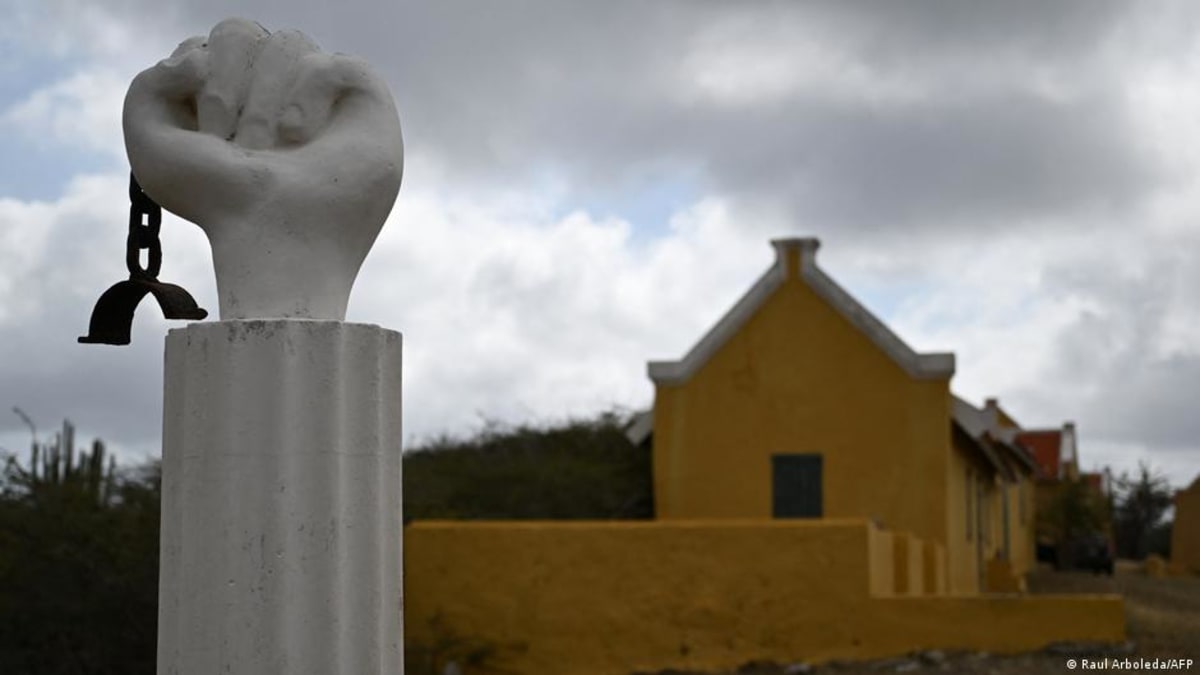
Jamaica Takes Historic Legal Step on Slavery Reparations
Jamaica is making history by pursuing the first legal petition for slavery reparations through the Commonwealth system, asking Britain's highest court to rule on the legality of centuries of enslavement. The bold move could open new pathways for restorative justice across the Caribbean.
Jamaica just took a groundbreaking step toward healing one of history's deepest wounds by petitioning King Charles III for slavery reparations through the legal system.
Culture Minister Olivia Grange is leading a delegation to London this week with three critical questions for the Judicial Committee of the Privy Council, Jamaica's highest court of appeal. They're asking whether enslaving Africans in Jamaica was legal under English law, whether it violated international law, and whether Britain now has a legal duty to provide redress.
This marks the first time any Commonwealth country has used the legal route to pursue reparatory justice. Jamaica is charting a new path forward instead of simply asking for an apology.
The petition highlights a painful irony from history. When Britain abolished slavery in 1833, it paid £20 million to compensate slave owners for their "lost property." The British government continued making payments on that debt until 2015, nearly two centuries after abolition.
"If in modern times we're still paying back the slave masters for the property that was our people, then why shouldn't we be pursuing some remedy at this time?" Grange asked. Her question cuts to the heart of who deserves compensation when a grave injustice is finally acknowledged.
The delegation will also meet with British Museum officials to discuss returning colonial artifacts to Jamaica. These conversations represent multiple pathways toward addressing historical harm.
The Ripple Effect
Jamaica's legal approach could inspire other nations seeking justice for colonial wrongs. An estimated 12 to 15 million Africans were forcibly transported across the Atlantic between the 15th and 19th centuries, with about 2 million dying during the brutal journey.
The impact of slavery created poverty cycles that persist today. Haiti, after winning independence through a slave revolt in 1804, was forced by France to pay 150 million gold francs to former slaveholders. That debt took over a century to repay and kept the nation trapped in poverty for generations.
King Charles has expressed his "commitment to promoting greater understanding around the issue of slavery and finding ways to address historic wrongs," according to Buckingham Palace. While the British government has said it won't pay reparations, this legal petition could change that conversation entirely.
Jamaica wants answers to its legal questions before deciding next steps, keeping all options open for pursuing justice.
This historic petition proves that confronting painful truths and seeking accountability can create new possibilities for healing wounds that span centuries.
Based on reporting by DW News
This story was written by BrightWire based on verified news reports.
Spread the positivity!
Share this good news with someone who needs it