
Pope Leo XIV Apologizes for Church's Slavery Silence
Pope Leo XIV issued a historic apology for the Catholic Church's centuries-long delay in condemning slavery, calling it "a wound in Christian memory" that requires acknowledgment and healing.
Find uplifting stories about heroes, innovations, and solutions
93 results for "slavery"
Pope Leo XIV issued a historic apology for the Catholic Church's centuries-long delay in condemning slavery, calling it "a wound in Christian memory" that requires acknowledgment and healing.
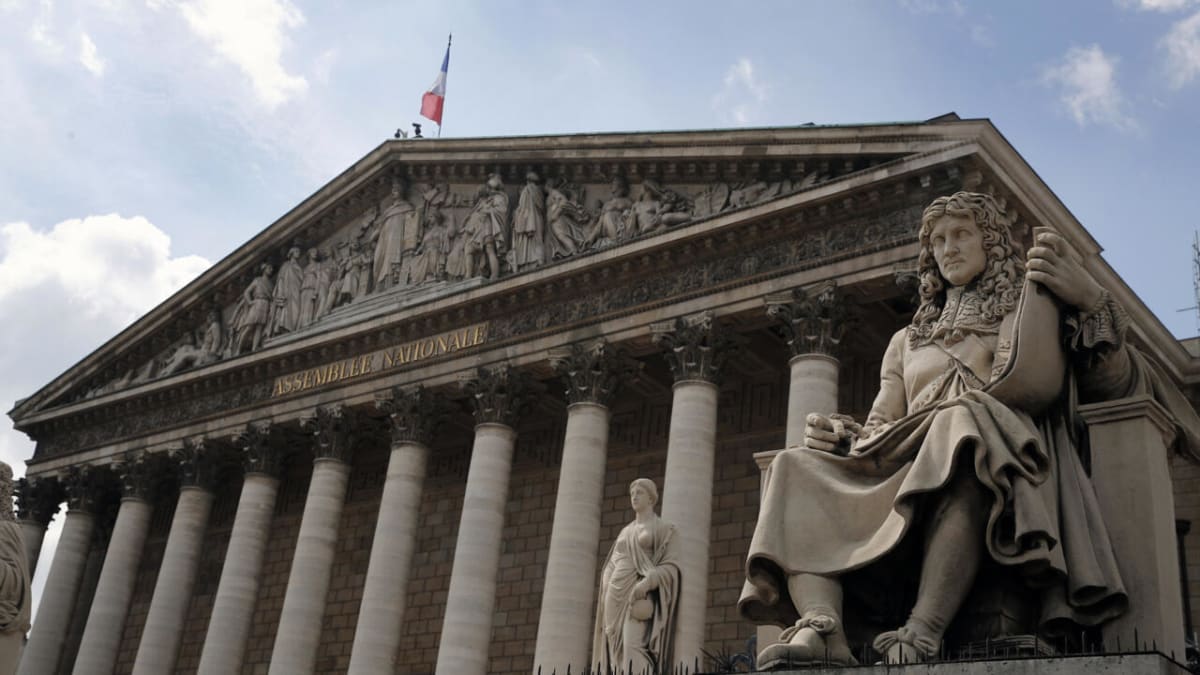
French lawmakers are voting to formally repeal Code Noir, a 1685 law that classified enslaved people as property and remained in France's legal code for 178 years after slavery was abolished. The move marks a historic step toward acknowledging France's colonial past.
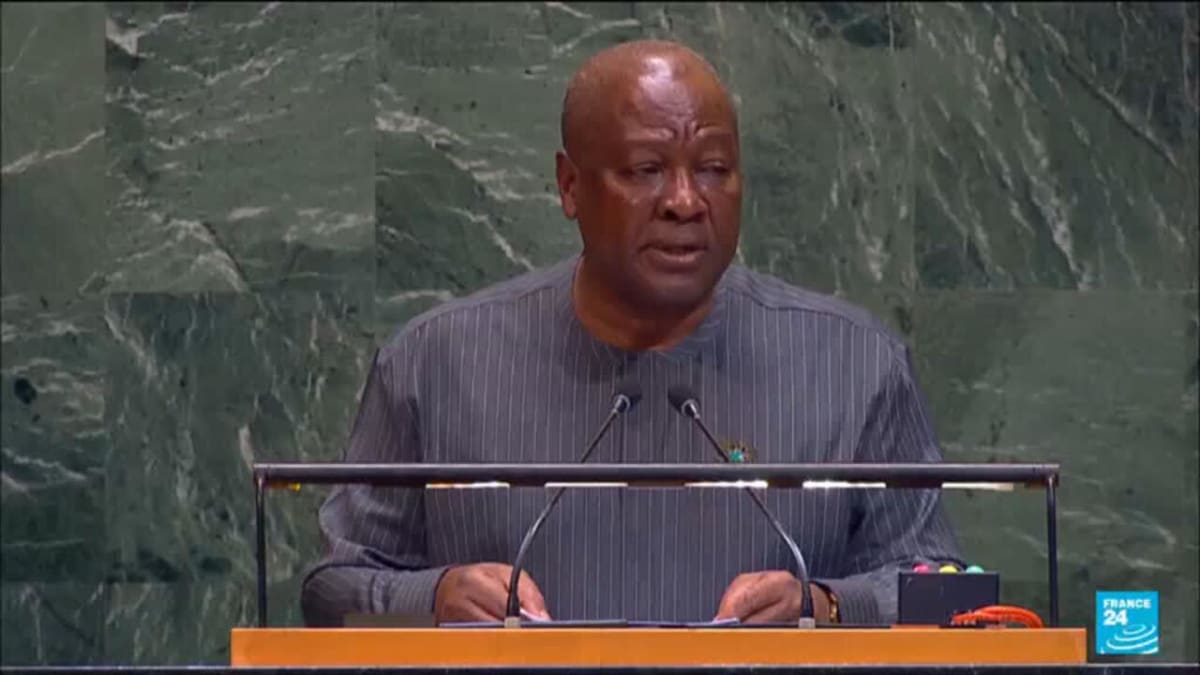
A groundbreaking UN resolution recognizing transatlantic slavery as a grave crime against humanity has passed with overwhelming support from 123 nations. Ghana's proposal calling for reparations marks a historic step toward global acknowledgment and healing.
New Zealand has taken a groundbreaking step in fighting modern slavery, with Parliament passing a bill that unites political rivals in protecting vulnerable workers worldwide. Companies earning over $100 million will now need to prove their supply chains are free from exploitation.
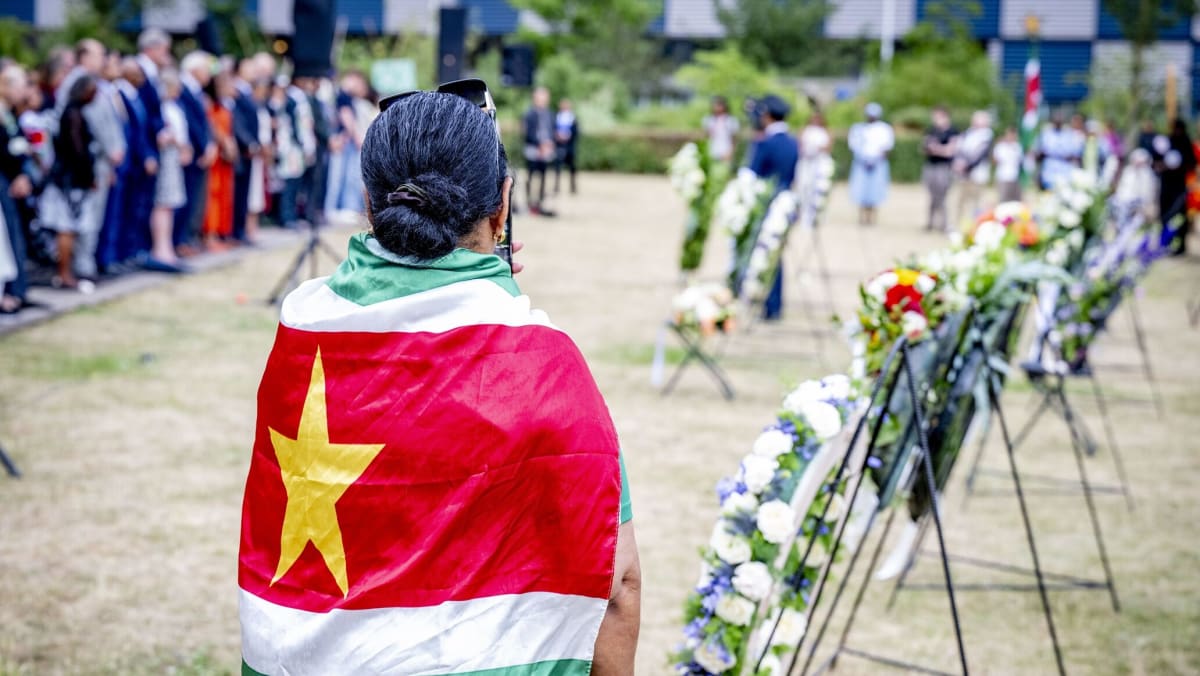
Thousands gathered across Dutch cities to celebrate Keti Koti, marking 163 years since slavery officially ended in the Netherlands' former colonies. The growing movement aims to make this day of remembrance and healing a national holiday.
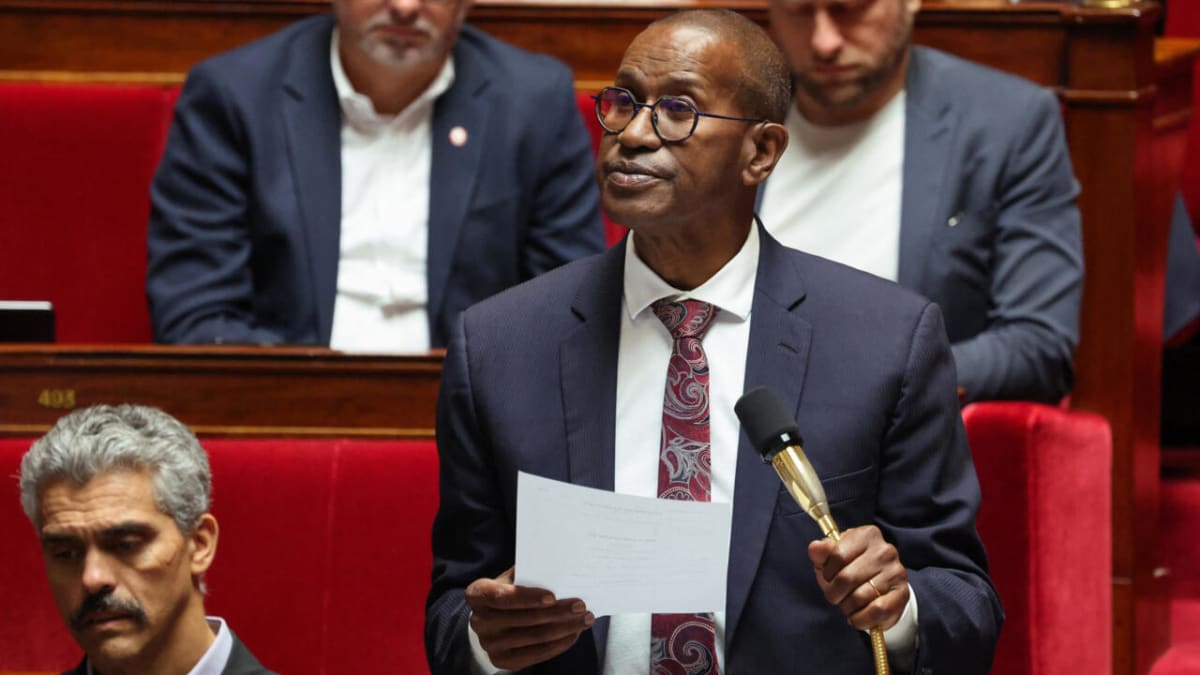
French lawmakers voted 254-0 to finally repeal the Code Noir, a 1685 law that classified enslaved people as property and had survived 176 years after slavery ended. The unanimous decision marks a symbolic step toward confronting France's colonial past. ##
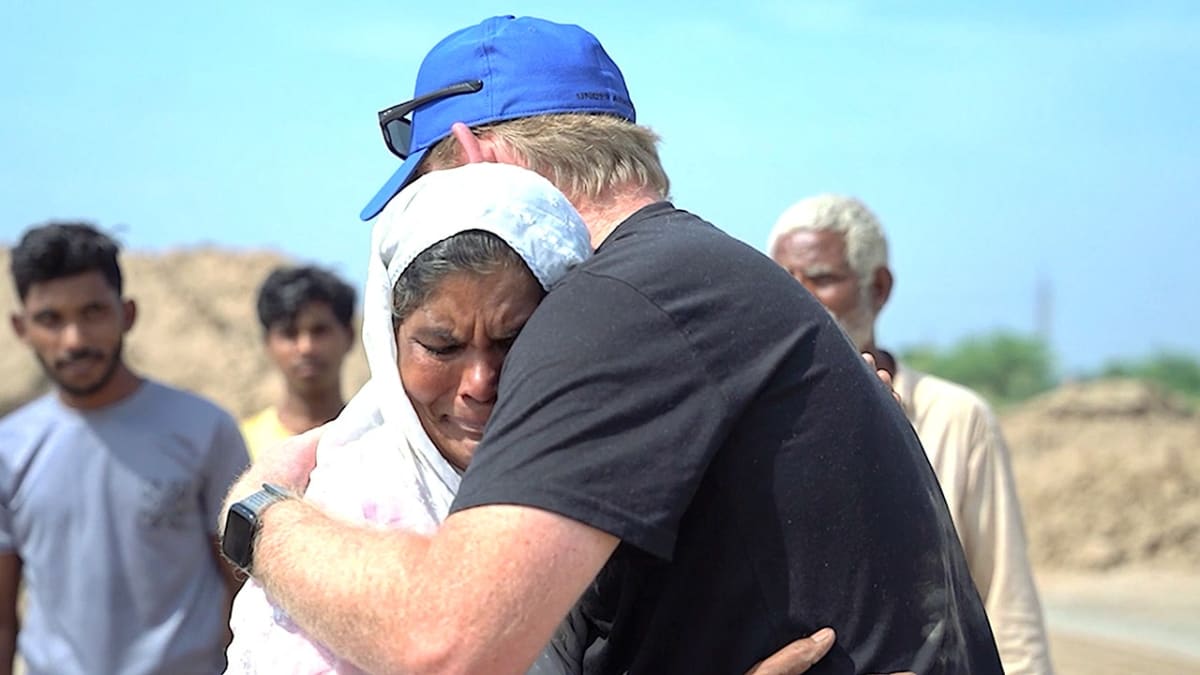
Two Americans are breaking modern slavery chains in Pakistan, freeing hundreds of Christian families trapped in generational debt bondage at brick factories. Their grassroots rescue missions give families not just freedom, but a real path forward.
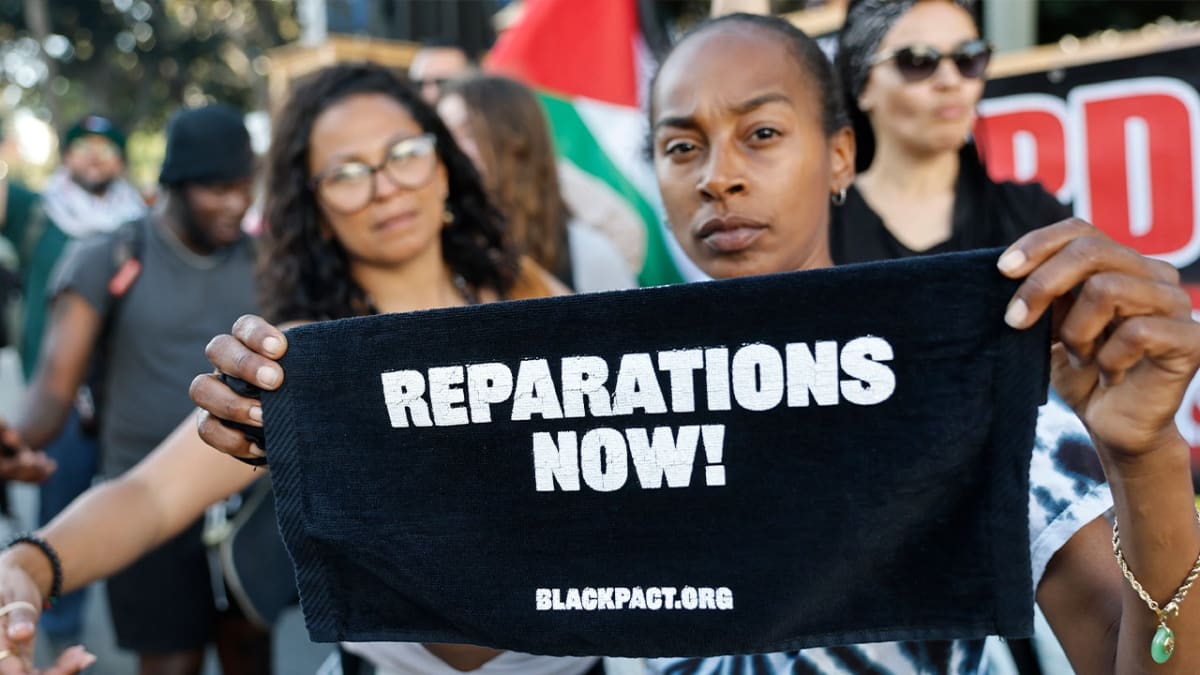
California could become the first state requiring major corporations to publicly disclose historical connections to slavery. The Truth in Disclosure Act marks a groundbreaking step toward corporate accountability and historical transparency.
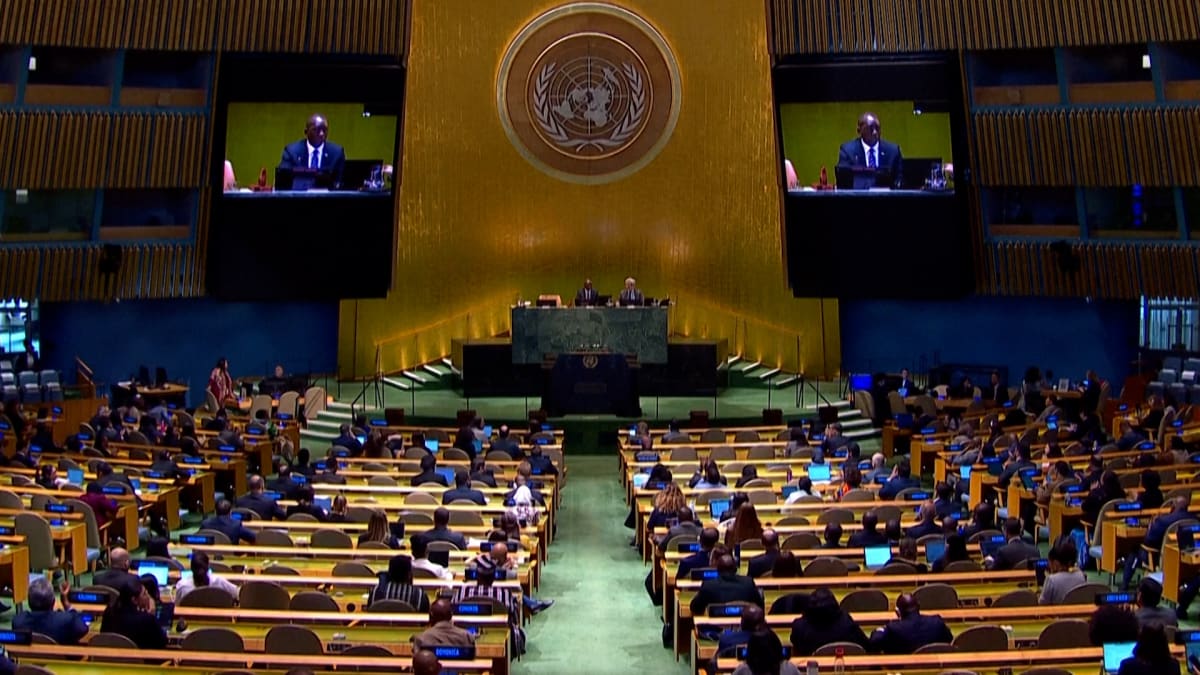
The United Nations General Assembly just adopted a historic resolution recognizing transatlantic slavery as the "gravest crime against humanity." Ghana led the effort that brought global attention to one of history's darkest chapters.
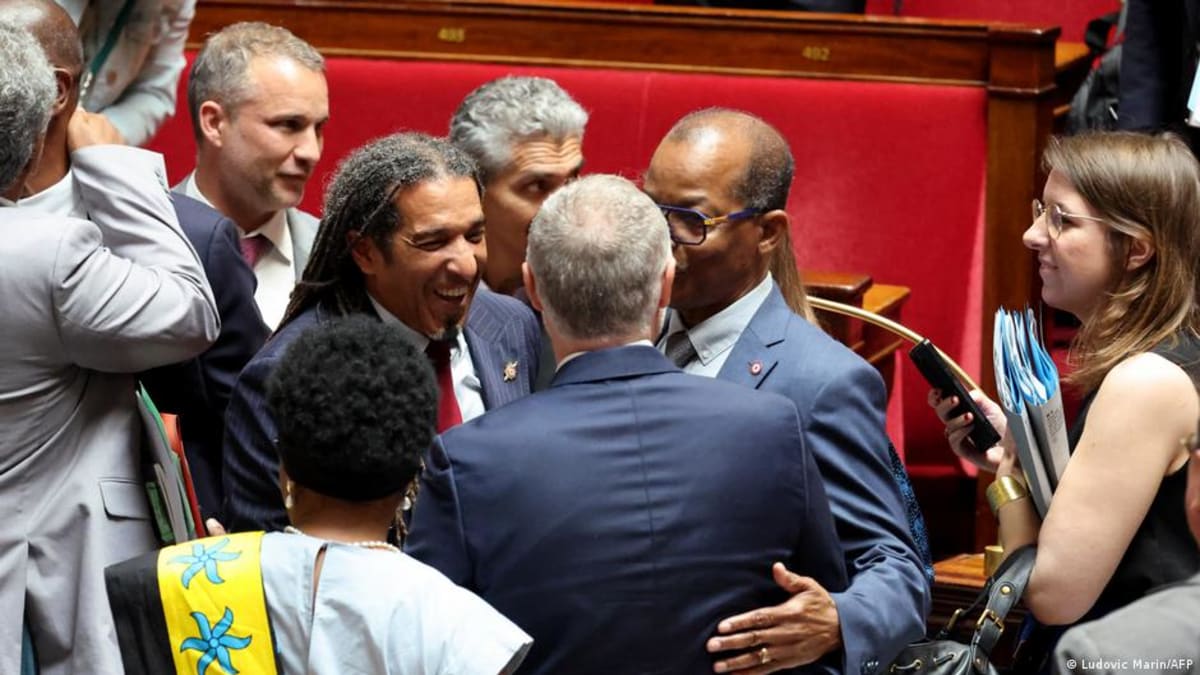
French lawmakers unanimously voted to officially erase slavery-era laws that defined enslaved people as property, taking a historic step toward acknowledging colonial wrongs. While the laws were superseded over 170 years ago, the formal repeal represents meaningful progress in confronting France's past.
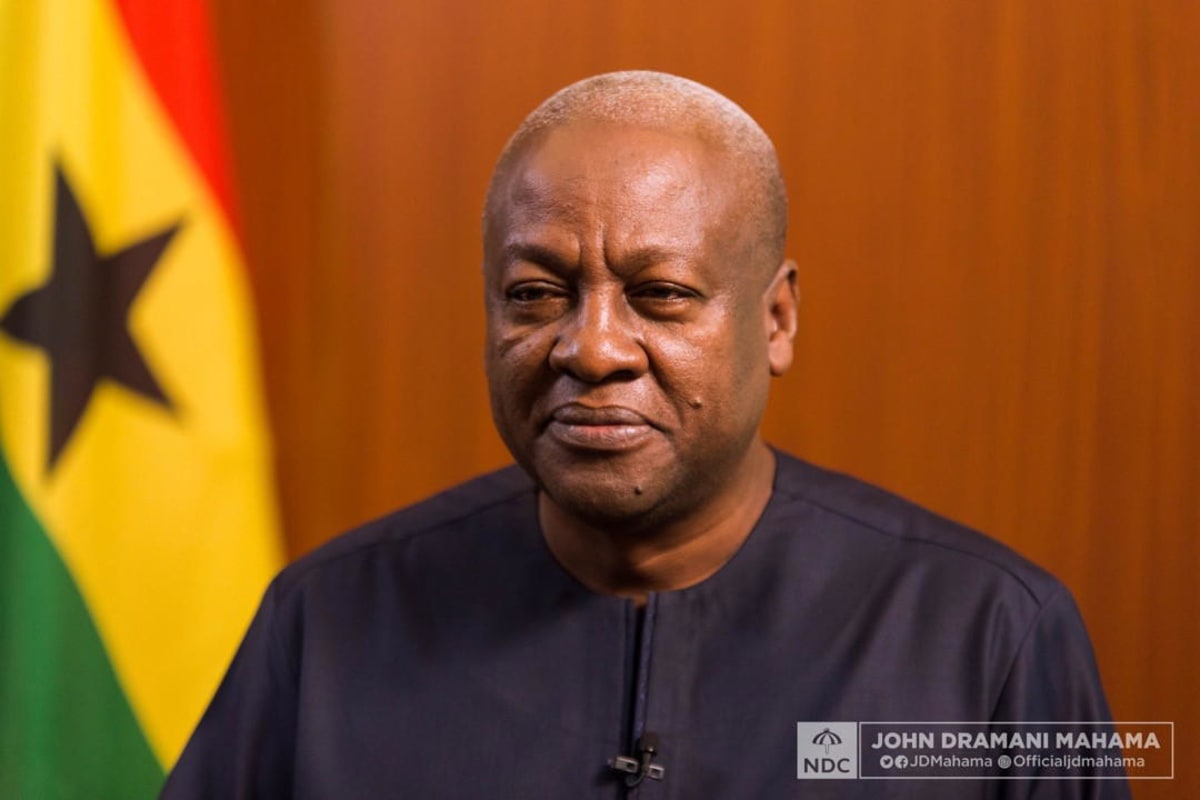
The UN General Assembly voted to formally recognize the transatlantic slave trade as humanity's gravest crime, with 123 countries including Nigeria and Ghana leading the historic resolution. The move opens pathways toward healing and reparative justice for millions affected by slavery's ongoing legacy.
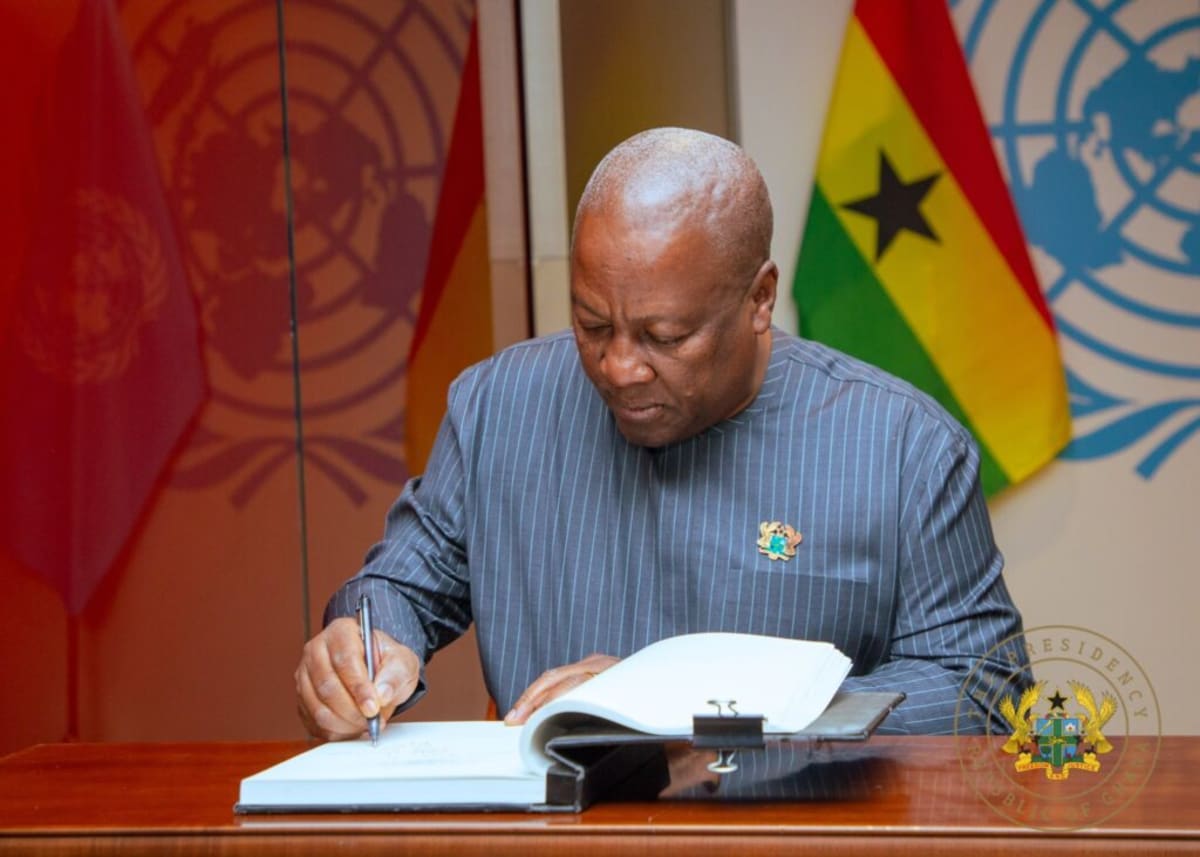
The United Nations General Assembly just passed a historic resolution declaring the transatlantic slave trade the gravest crime against humanity. Ghana's President John Mahama calls it a powerful way to honor millions of enslaved Africans.
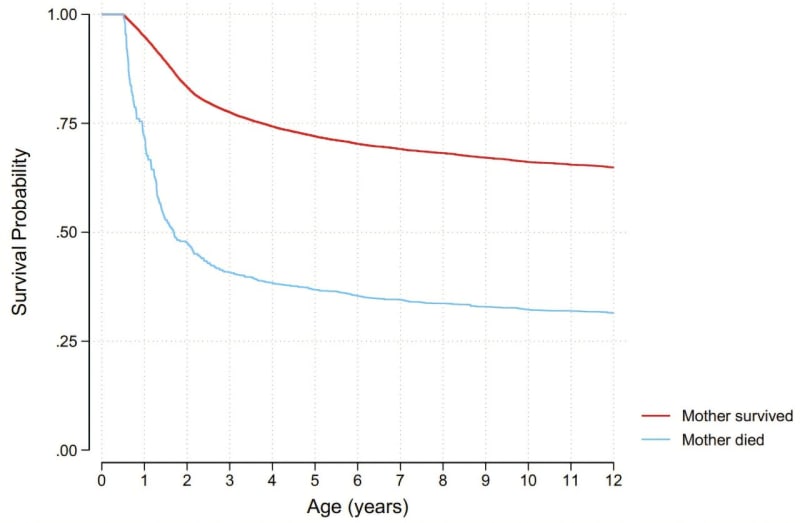
New research reveals how mothers, grandmothers, and extended family literally meant the difference between life and death for enslaved children in 19th century Suriname. The findings honor the strength of family ties that helped communities survive unimaginable hardship.

The Jesuits and descendants of people they enslaved have created America's first partnership of its kind to fund education and healing. The Descendants Truth & Reconciliation Foundation is already supporting families and racial justice work nationwide.
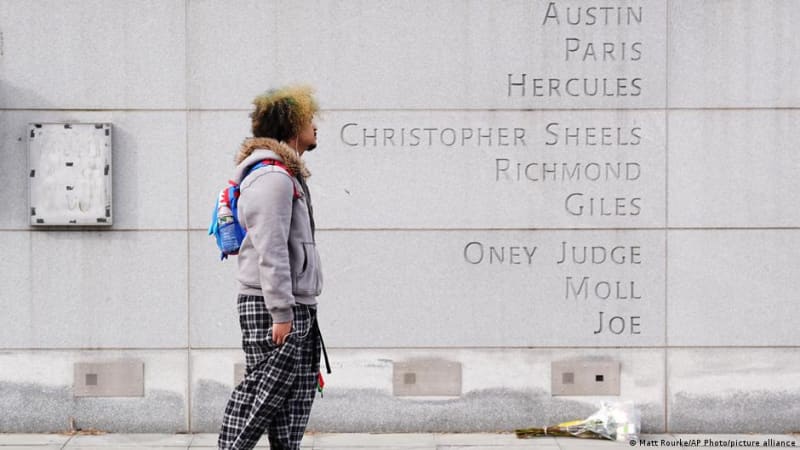
A federal judge ruled that a historical exhibit honoring nine people enslaved by George Washington must be reinstated at his former Philadelphia home. The decision protects historical truth and ensures visitors can learn about this important part of American history.

A college student uncovered a rare 41-page handwritten manuscript detailing Thomas White's daring escape from slavery in the 1850s. The fragile document, found among family papers on a screened porch, offers an extraordinary window into one man's journey to freedom.

The United Nations General Assembly voted Wednesday on a historic resolution to formally recognize the transatlantic African slave trade as "the gravest crime against humanity." African nations hope this acknowledgment opens doors to healing, justice, and meaningful conversations about slavery's lasting impact.
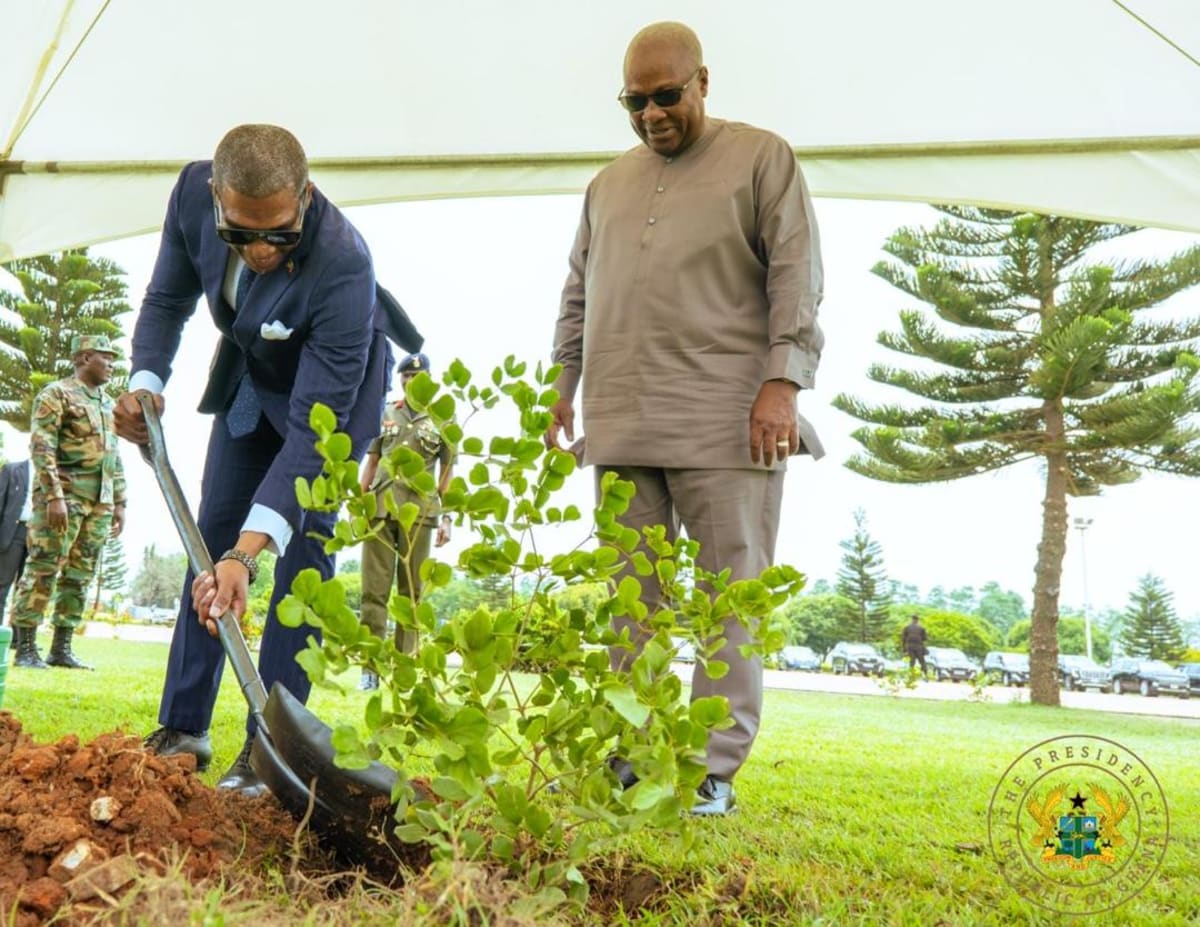
Ghana's President Mahama and St. Kitts' Prime Minister planted a "Tree of Life" together, symbolizing their nations' deep historical bond. The ceremony also advanced a global push to recognize slavery as humanity's gravest crime.
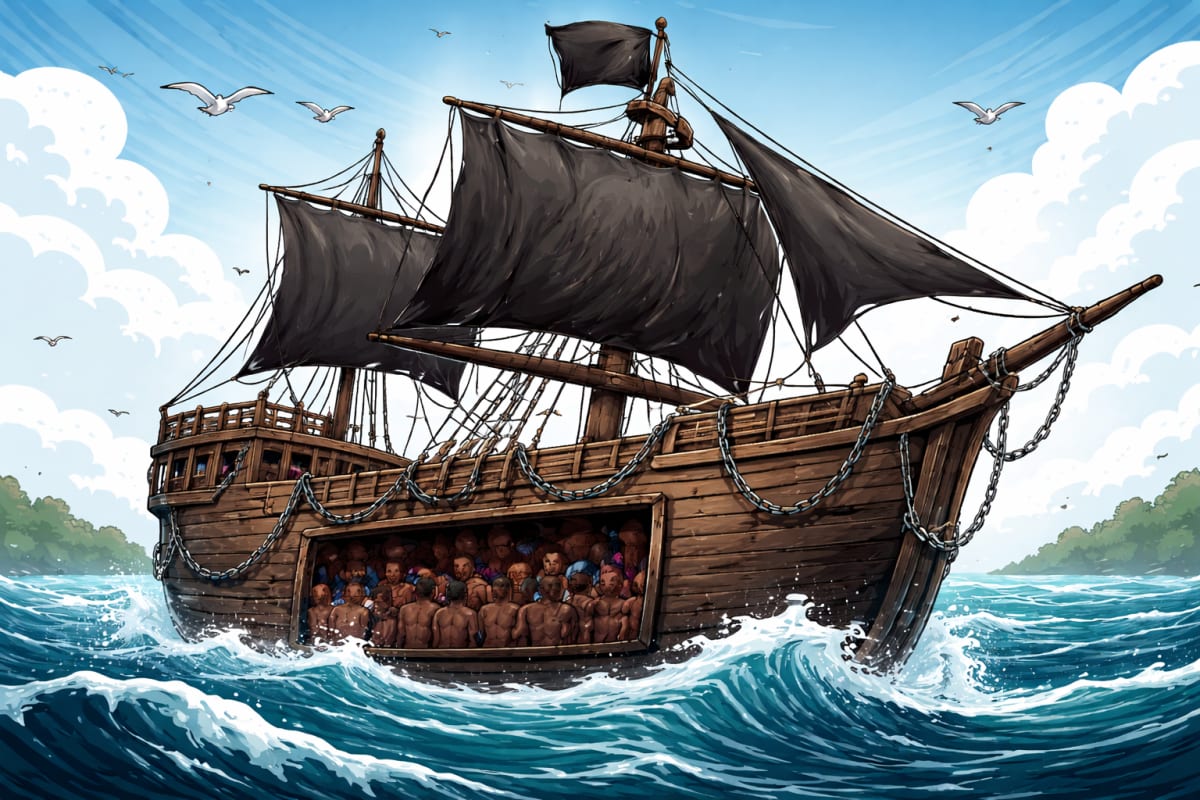
The United Nations passed a historic resolution recognizing the transatlantic slave trade as humanity's greatest crime, with 123 nations voting in favor. Ghana led the effort to establish a day of remembrance and push for formal apologies and reparations from nations that profited from slavery.
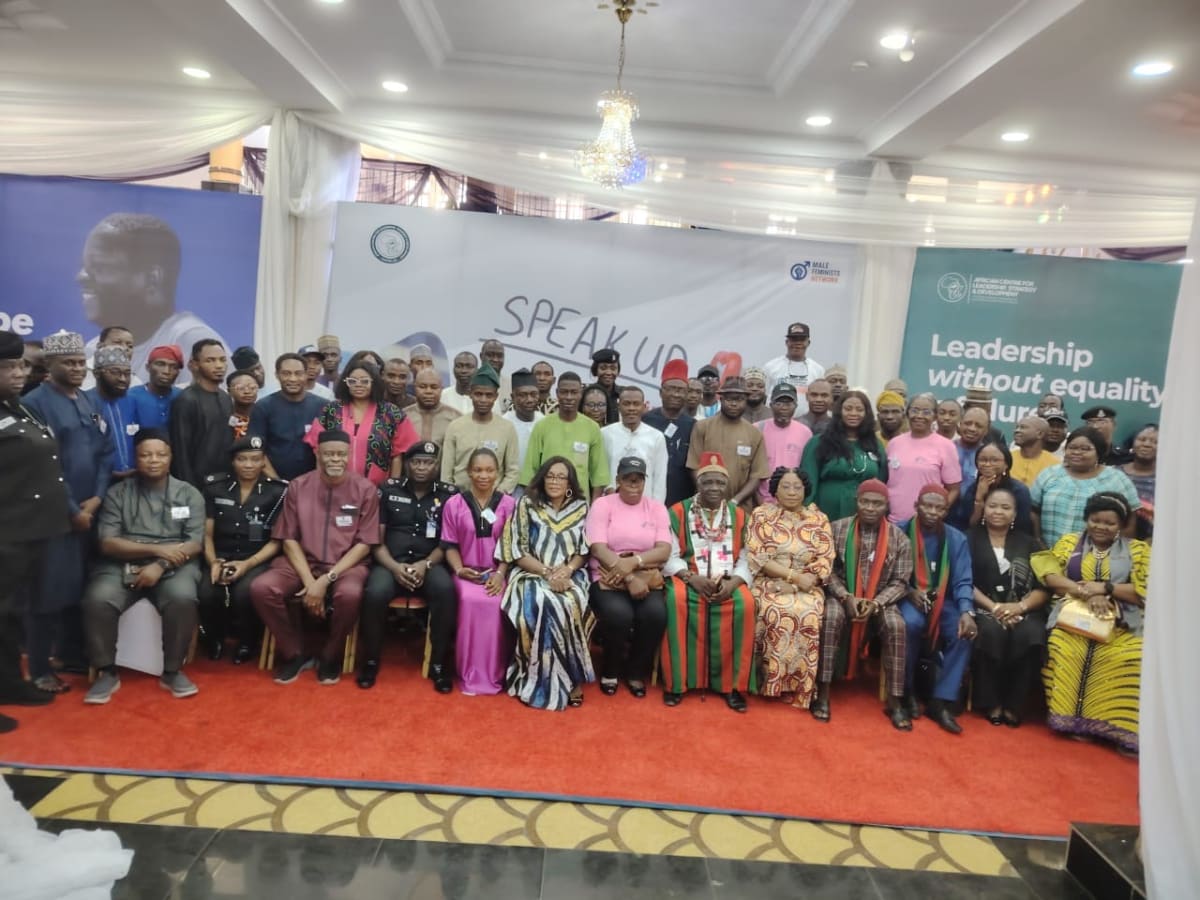
A Nigerian community has abolished the "Money Woman" tradition that forced girls into marriage to pay off family debts, freeing 57 women and introducing new protections. Traditional leaders worked with civil society groups to end the decades-old practice and create a pathway for survivors to rebuild their lives.
Showing 20 of 93