UN Declares Transatlantic Slavery "Gravest Crime
The United Nations General Assembly just adopted a historic resolution recognizing transatlantic slavery as the "gravest crime against humanity." Ghana led the effort that brought global attention to one of history's darkest chapters.
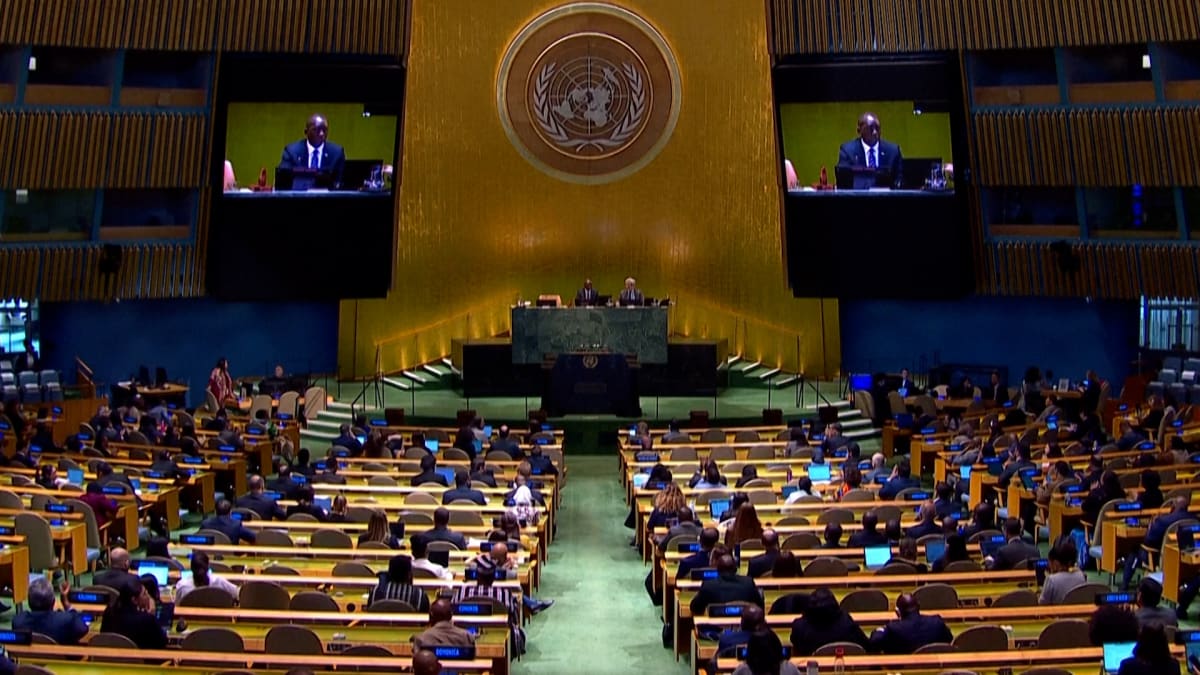
The United Nations took a powerful step toward historical justice this week when member nations adopted a resolution declaring transatlantic slavery the "gravest crime against humanity." The measure, championed by Ghana, passed in the General Assembly and marks a significant moment of global acknowledgment.
The resolution represents years of advocacy by African nations and descendants of enslaved people seeking formal recognition of slavery's immense human toll. While some countries including the United States, Israel, Argentina, and several European nations resisted the measure, the General Assembly still moved forward with adoption.
Ghana's leadership on this resolution reflects the country's deep connection to this history. The West African nation was a major departure point during the slave trade, and its officials have long worked to ensure this painful chapter receives proper recognition on the world stage.
The Ripple Effect
This UN resolution creates a foundation for future conversations about historical accountability and healing. By formally recognizing the transatlantic slave trade as humanity's gravest crime, the international community opens doors for education, remembrance, and dialogue that can help address lasting impacts.
The measure also empowers advocates working on reparations, historical preservation, and anti-racism efforts worldwide. When the UN speaks with moral clarity about historical injustices, it strengthens the work of grassroots organizations and national movements seeking acknowledgment and repair.
For millions of people whose ancestors endured enslavement, this resolution offers validation that their family stories and generational trauma deserve global recognition. It sends a message that the international community will not forget or minimize what happened.
The path forward includes implementing educational programs, supporting memorial sites, and continuing conversations about how historical wrongs shape present-day inequalities. This resolution provides a framework for that essential work.
A single UN resolution cannot undo centuries of harm, but it can signal that the world is ready to face difficult truths and move toward justice together.
Based on reporting by Al Jazeera English
This story was written by BrightWire based on verified news reports.
Spread the positivity!
Share this good news with someone who needs it