Jamaica's Poverty Falls to 7.8%, Lowest in 50 Years
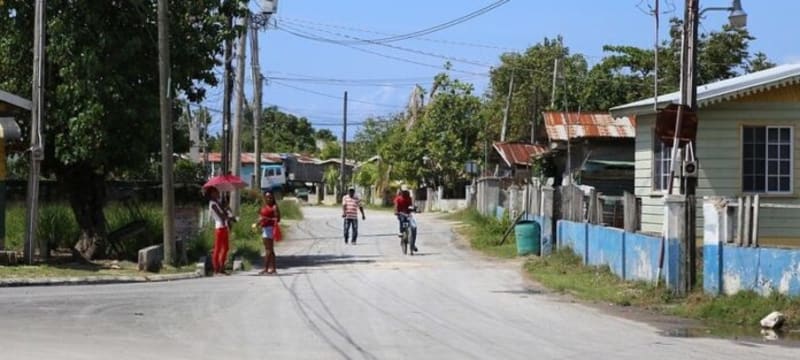
Jamaica just hit a milestone half a century in the making: only 7.8% of its population now lives in poverty, the lowest rate since 1974. It's a victory built on decades of partnership, smart policy, and economic opportunity for everyday Jamaicans.
Jamaica just achieved something remarkable: its poverty rate dropped to 7.8% in 2024, the lowest level the island nation has seen in 50 years.
The Planning Institute of Jamaica confirmed the historic milestone last November. Director General Dr. Wayne Henry announced that poverty fell from 8.2% the previous year, while extreme poverty held steady at 2.7%, its lowest point since 1989.
The numbers tell a stunning story of transformation. When the United Nations Development Programme opened its Jamaica office in January 1976, roughly one in three Jamaicans lived in extreme poverty. Today, that figure sits in the single digits.
"Poverty eradication and addressing inequality is job number one for UNDP," said Kishan Khoday, the organization's Resident Representative in Jamaica. He marked the progress as the agency celebrated 50 years of work in the country.
The UNDP helped establish Jamaica's Planning Institute in 1984, building on earlier planning agencies that date back to 1955. That institutional support gave Jamaica the framework to track progress and design targeted interventions over decades.
Prime Minister Andrew Holness credited deliberate government policies for the achievement. His administration focused on economic inclusion, education, skills training, and social support programs that opened doors for more Jamaicans.
The government also worked to stabilize the economy after COVID-19 disrupted Caribbean nations. That stability created breathing room for families and businesses to recover and grow.
The Ripple Effect
Jamaica's success offers a roadmap for other developing nations tackling persistent poverty. The combination of international partnership, consistent data tracking, and policies aimed at economic participation proved more powerful than any single intervention.
The Planning Institute's ability to measure poverty rates accurately over 50 years gave policymakers the information they needed to adjust course and target resources where they'd make the biggest difference.
Skills training and education programs helped break cycles of poverty by giving Jamaicans tools to access better opportunities. Economic inclusion policies meant more people could participate in the country's growth, not just witness it.
Prime Minister Holness acknowledged the work isn't finished. "Our mission is to ensure that every Jamaican, especially our most vulnerable, has access to opportunities and pathways to prosperity," he said.
The government committed to continued investment in both people and institutions. With poverty at historic lows and momentum building, Jamaica is proving that sustained effort and smart partnerships can transform a nation's future, one family at a time.
More Images


Based on reporting by Google News - Poverty Reduction
This story was written by BrightWire based on verified news reports.
Spread the positivity!
Share this good news with someone who needs it