James Webb Finds Most Primitive Galaxy Ever Seen
Scientists have discovered a galaxy from 800 million years after the Big Bang that's the most chemically primitive ever observed, offering a direct look at how the first stars seeded the universe with life-building elements. It's like finding a cosmic time capsule from when stars first began creating the ingredients for everything we see today.
Scientists just spotted a galaxy that looks almost exactly like it did 800 million years after the Big Bang, and it's rewriting what we know about how the universe grew up.
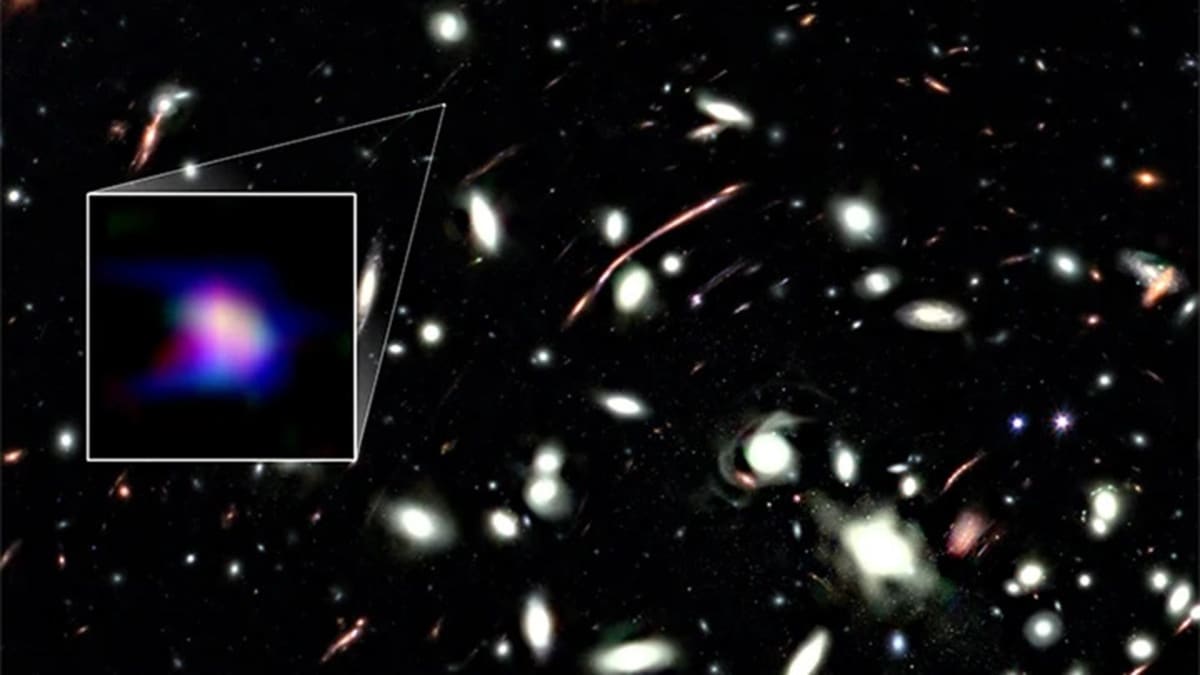
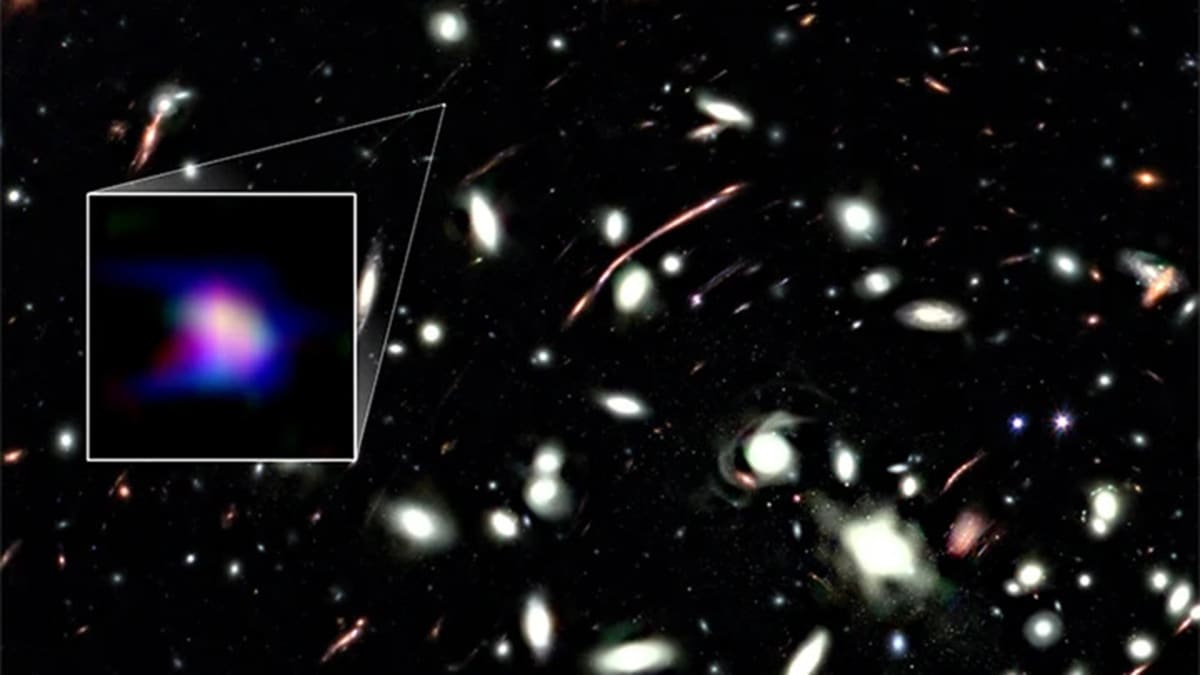
The James Webb Space Telescope captured images of LAP1-B, an ultra-faint galaxy that contains almost no heavy elements. Its oxygen level is just 1/240th of our sun's, making it the most chemically primitive galaxy ever found from the early universe.
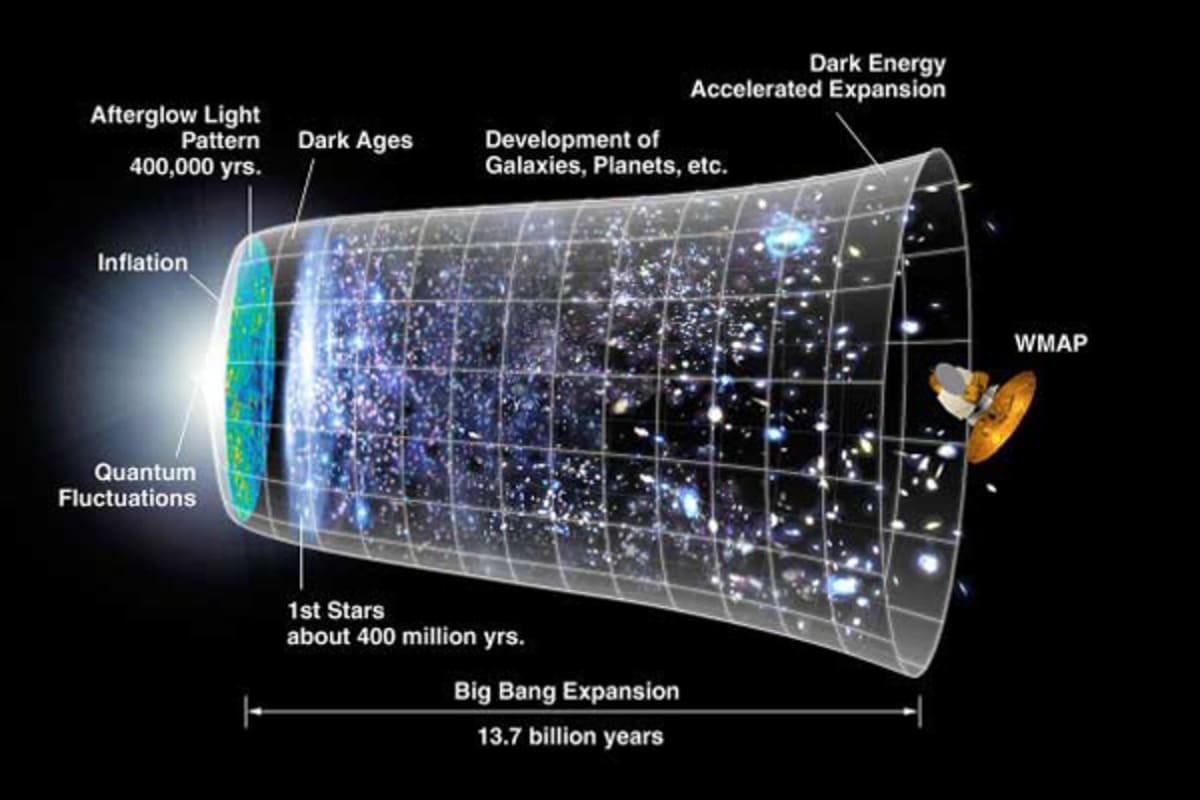
This discovery is a huge deal because it shows us the moment when the first generation of stars began creating the building blocks of life. Right after the Big Bang, the universe only had hydrogen and helium. Everything else we need for life (carbon, oxygen, iron) had to be forged inside stars and scattered across space when those stars exploded.
Associate Professor Kimihiko Nakajima from Kanazawa University led the team that spent 30 hours observing this tiny galaxy. They got lucky when a massive galaxy cluster acted like a natural magnifying glass, making LAP1-B appear 100 times brighter than normal.
"I was instantly thrilled by the extreme lack of oxygen revealed in the data," Nakajima said. "It's a chemical signature that clearly indicates a primordial galaxy caught in the moments shortly after its formation."
The galaxy weighs less than 3,300 times our sun's mass, meaning it's mostly made of dark matter. Its chemical makeup perfectly matches the "Ultra-Faint Dwarf galaxies" astronomers have found near the Milky Way today, ancient fossils that have puzzled scientists for years.
Why This Inspires
For decades, astronomers could only guess what the earliest galaxies looked like by studying old stars nearby, like cosmic archaeologists piecing together clues. Now they can observe the actual chemistry of galaxies from 13 billion years ago in real time.
This discovery creates a direct bridge between the universe's first moments and the ancient galaxies we see today. Scientists finally understand why some nearby dwarf galaxies have survived billions of years almost unchanged. They're the descendants of galaxies just like LAP1-B.
The team's work also opens a new path forward. They can now use the James Webb Space Telescope to search for even more primitive galaxies, tracking exactly when and how the universe transformed from simple hydrogen and helium into the rich tapestry of elements that makes planets, stars, and life possible.
Looking at LAP1-B is like watching the universe's chemistry set come to life for the very first time, and scientists are just getting started.
More Images

Based on reporting by Live Science
This story was written by BrightWire based on verified news reports.
Spread the positivity!
Share this good news with someone who needs it