NASA Telescope Will Spot Black Holes 11 Billion Years Old
NASA's upcoming Roman Space Telescope will detect ancient black holes from 11 billion years ago by catching them in the act of shredding stars. These cosmic fireworks will help scientists finally understand how supermassive black holes formed in the early universe.
Scientists are about to unlock one of space's biggest mysteries by watching black holes tear stars apart billions of years in the past.
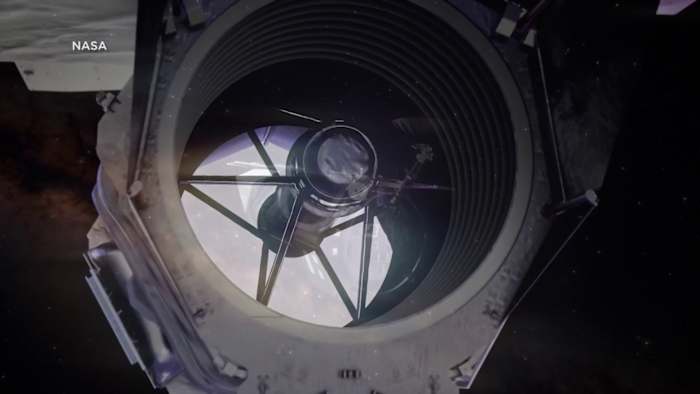
NASA's Nancy Grace Roman Space Telescope, launching in August 2026, will spot supermassive black holes that existed when the universe was just a fraction of its current age. The telescope can detect these ancient giants from up to 11 billion years ago, giving astronomers their first clear look at how black holes formed and grew in the early cosmos.
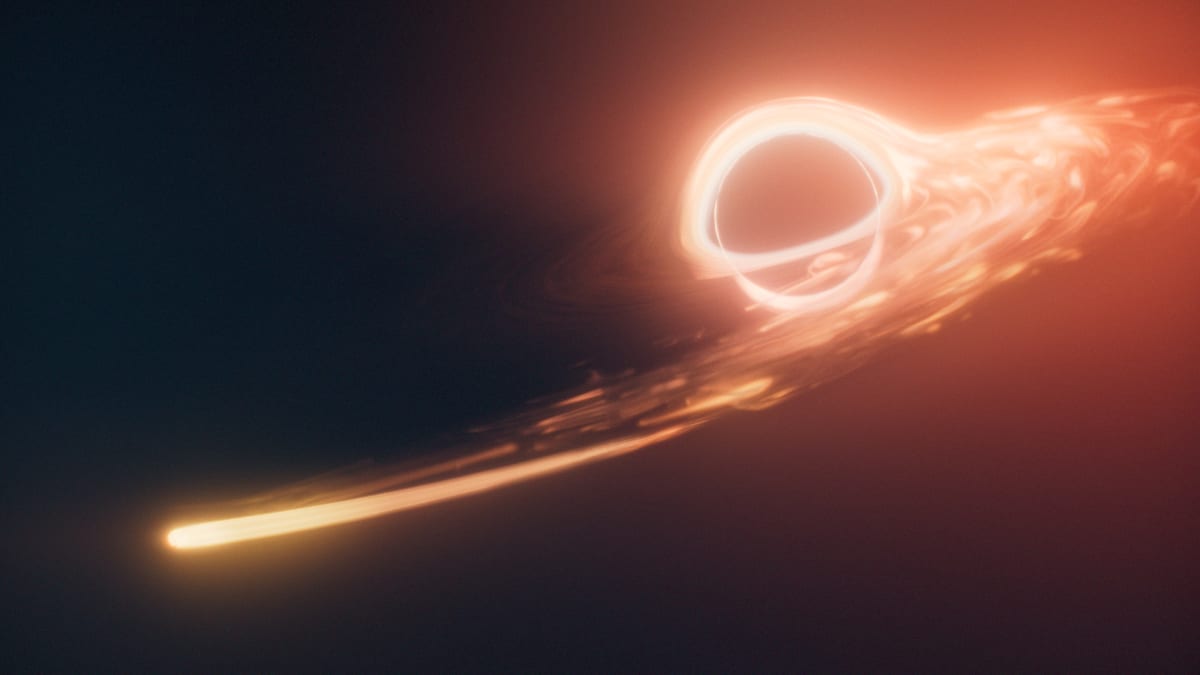
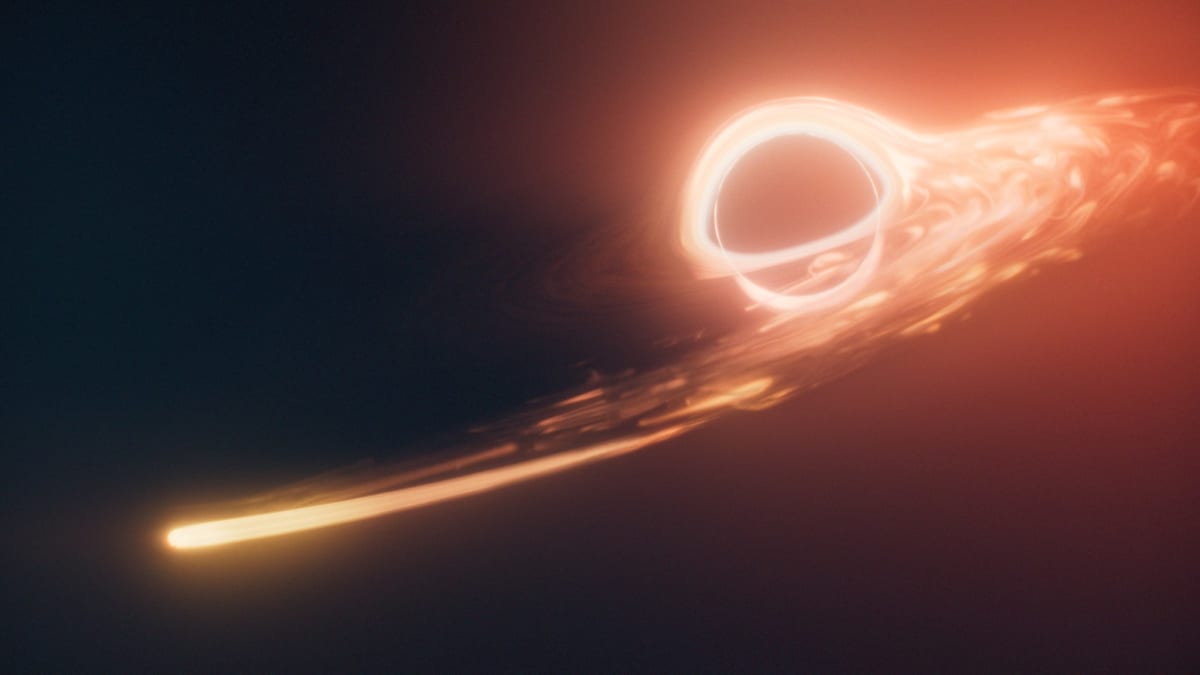
The secret lies in catching black holes during their most dramatic moments. When a star wanders too close to a smaller supermassive black hole, the intense gravity shreds it completely in what scientists call a tidal disruption event. The destruction creates a brilliant flare that can outshine an entire galaxy for weeks before fading away.
These stellar fireworks happen only around lighter black holes weighing between 100,000 and 100 million times our sun's mass. Heavier black holes simply swallow stars whole without the light show. That makes tidal disruption events perfect beacons for finding the younger, smaller black holes that dominated the early universe.
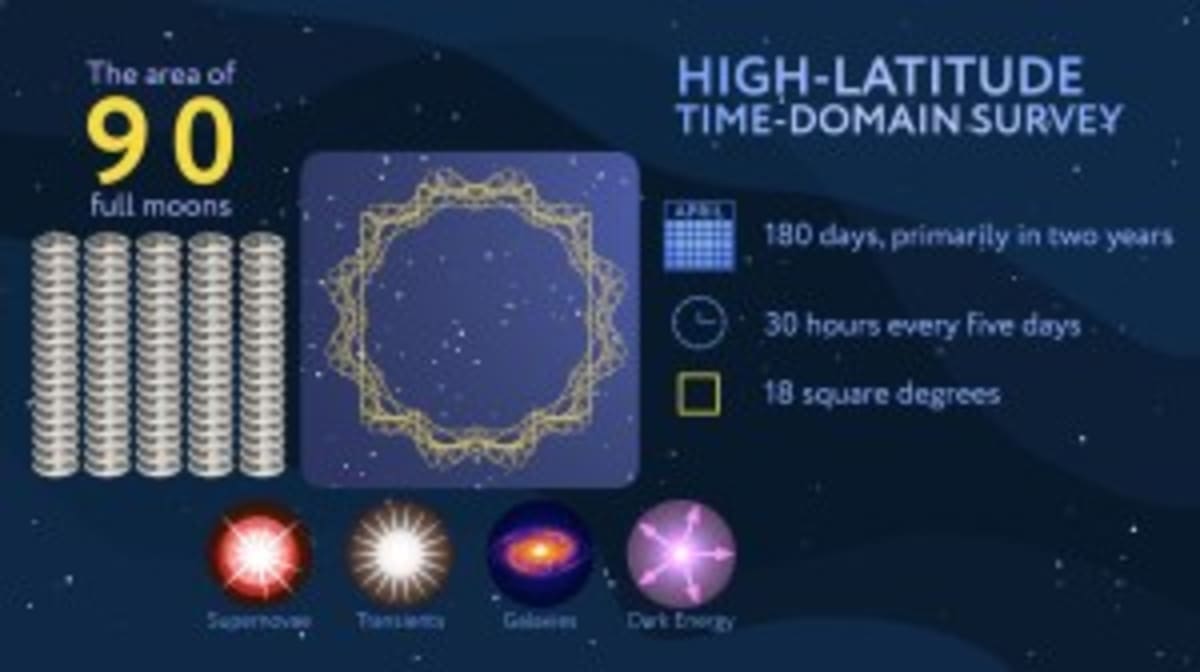
Roman will survey an area equivalent to 90 full moons repeatedly, allowing it to catch these fleeting events as they happen. The telescope's infrared vision is perfectly tuned to detect light that has traveled across billions of years, stretched to longer wavelengths by the universe's expansion.
Researchers at Johns Hopkins University predict Roman will observe about 100 tidal disruption events per year. Their models show these events peaked during "cosmic noon" around 11 to 12 billion years ago, when star formation throughout the universe reached its highest rate.
Why This Inspires
This breakthrough represents more than just spotting distant explosions. By mapping how black holes evolved over billions of years, scientists can trace these cosmic giants back to their mysterious origins. Every tidal disruption event Roman captures is like finding a fossil that reveals how the universe's most powerful objects came to be.
The research also showcases how different observatories work together. Roman will team up with ground-based telescopes like the Vera Rubin Observatory and the James Webb Space Telescope to build a complete picture of black hole evolution across cosmic time.
Lead researcher Mitchell Karmen, a graduate student at Johns Hopkins, captured the excitement perfectly: "The Roman Space Telescope is going to be transformative for transient science." Thanks to its sensitivity, astronomers can finally peer back to see black holes as they existed in the universe's youth.
We're about to witness the biography of black holes written in starlight across billions of years.
More Images

Based on reporting by NASA
This story was written by BrightWire based on verified news reports.
Spread the positivity!
Share this good news with someone who needs it