James Webb Finds Record-Breaking 'Jellyfish Galaxy
The James Webb Space Telescope spotted the most distant jellyfish galaxy ever seen, revealing that the early universe was far more violent and dynamic than scientists expected. The discovery shows galaxies were being dramatically reshaped 8.5 billion years ago.
Scientists just peered 8.5 billion years into the past and discovered something that's rewriting what we thought we knew about the early universe.
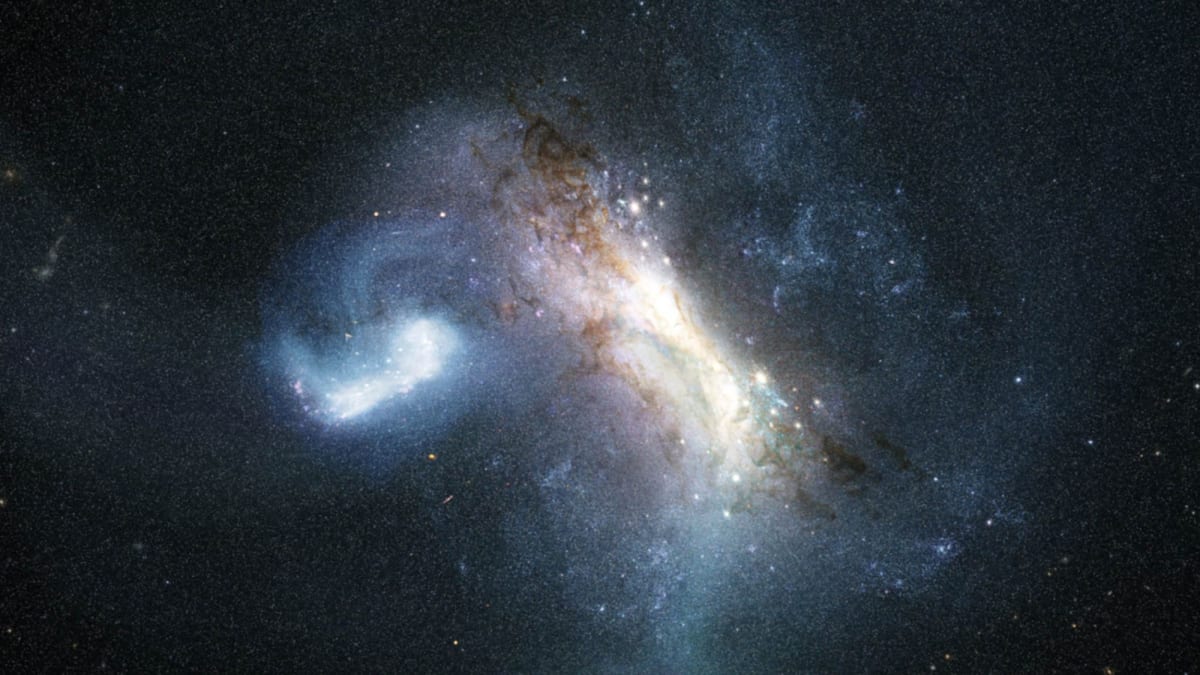
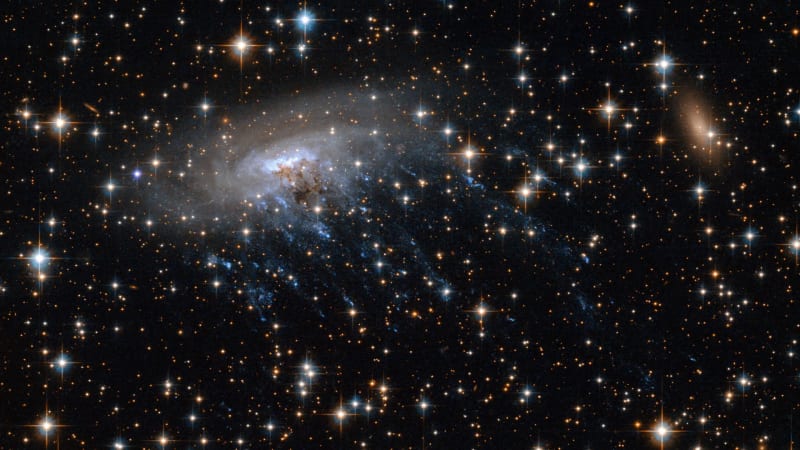
Researchers at the University of Waterloo used the James Webb Space Telescope to spot the most distant "jellyfish galaxy" ever observed. These cosmic oddities get their name from the long, glowing tentacles of gas and newborn stars that stream behind them as they race through crowded galaxy clusters.
Dr. Ian Roberts and his team weren't even looking for this particular galaxy when they found it. They were combing through data from a well-studied patch of sky called the COSMOS field, hoping to spot undocumented jellyfish galaxies that had been missed by earlier telescopes.
What they discovered challenges a fundamental assumption about the early cosmos. Many scientists believed that 8.5 billion years ago, galaxy clusters were still gently assembling and relatively calm. This finding suggests the opposite was true.
The galaxy's tentacles form through a violent process called ram-pressure stripping. As the galaxy speeds through its cluster at incredible velocities, the surrounding superhot gas pushes against it like a hurricane-force headwind. This cosmic gale sweeps the galaxy's own gas backward into trailing streams.
What makes this discovery truly remarkable are the bright blue knots scattered along those tentacles. These glowing spots are baby stars so young they likely formed outside the main galaxy, born in the stripped gas itself.
Why This Inspires
This discovery reminds us that even looking backward in time can reveal forward progress in human understanding. Every new glimpse into the distant universe shows us that reality is more dynamic, more active, and more fascinating than we imagined.
The findings also demonstrate how new technology opens doors we didn't know existed. The James Webb Space Telescope launched just a few years ago, and it's already transforming our view of cosmic history. Roberts and his colleagues have already applied for more observing time to study this galaxy in even greater detail.
The implications reach beyond this single galaxy. If violent environments existed so early in the universe, they may have played a crucial role in creating the large population of "dead" galaxies astronomers see in clusters today. Understanding how galaxies lived and died billions of years ago helps us understand how our own Milky Way came to be.
The research appears in The Astrophysical Journal, giving other astronomers the chance to build on this breakthrough and continue revealing the universe's hidden history.
Based on reporting by Google: James Webb telescope
This story was written by BrightWire based on verified news reports.
Spread the positivity!
Share this good news with someone who needs it