James Webb Telescope Saves Moon From Asteroid Hit
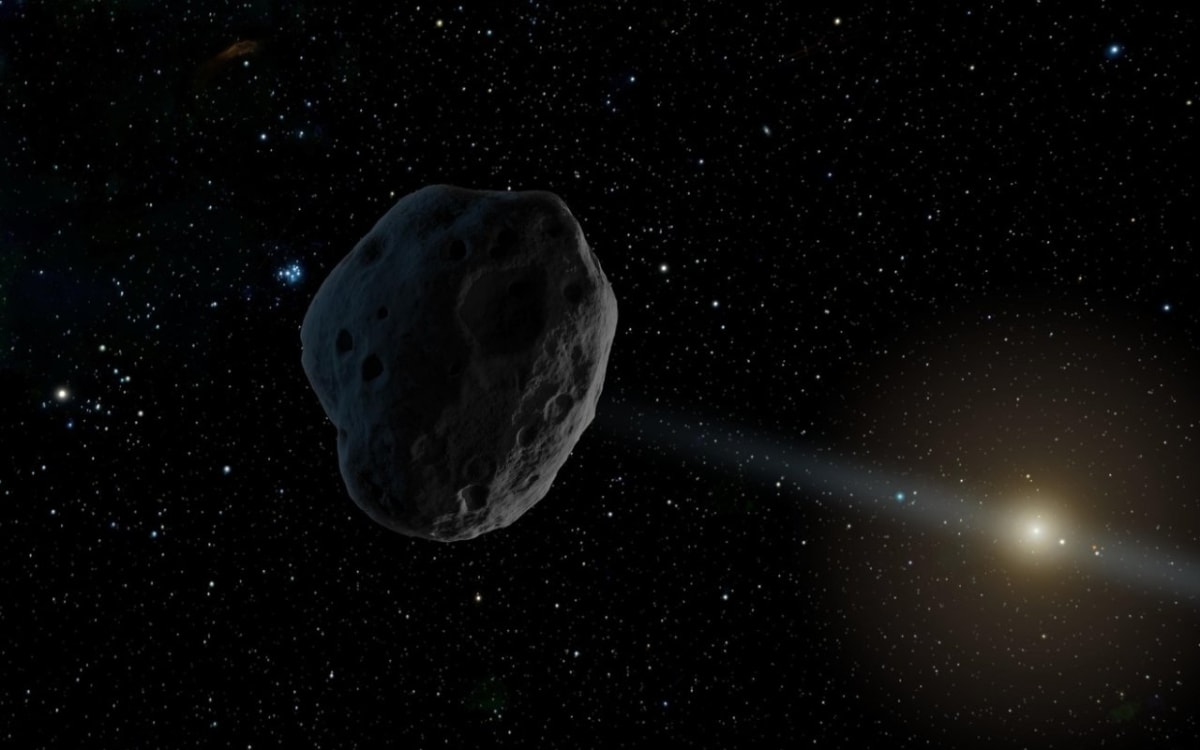
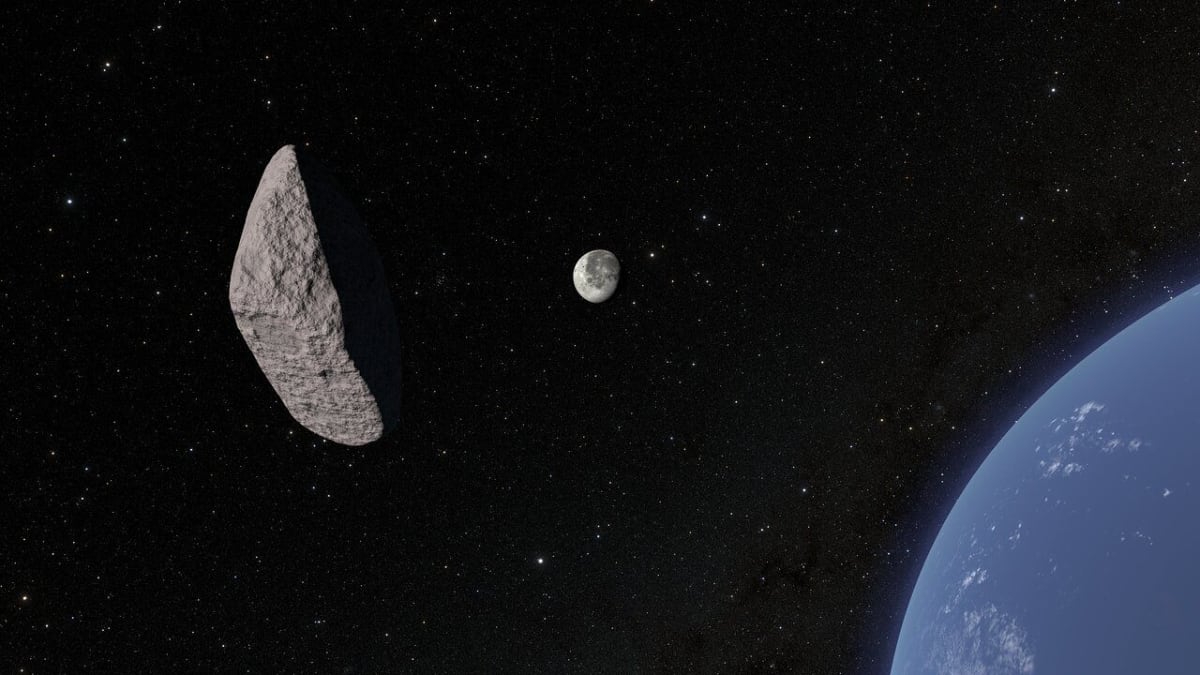
Scientists used the James Webb Space Telescope to confirm that asteroid 2024 YR4 will safely miss the moon in 2032, ruling out what could have been a spectacular collision. The 197-foot space rock will cruise past our lunar companion at a safe distance of 13,200 miles.
The moon just got a reassuring all-clear from some of humanity's best technology and brightest minds.
When astronomers discovered asteroid 2024 YR4 on December 27, 2024, it briefly became the most dangerous asteroid ever found. The 197-foot-wide space rock had a real chance of slamming into Earth on December 22, 2032, with enough force to destroy a city or trigger a devastating tsunami.
Scientists quickly ruled out an Earth impact, but a new worry emerged. The asteroid had a 4.3% chance of hitting the moon instead, and astronomers didn't know its orbit precisely enough to be certain either way.
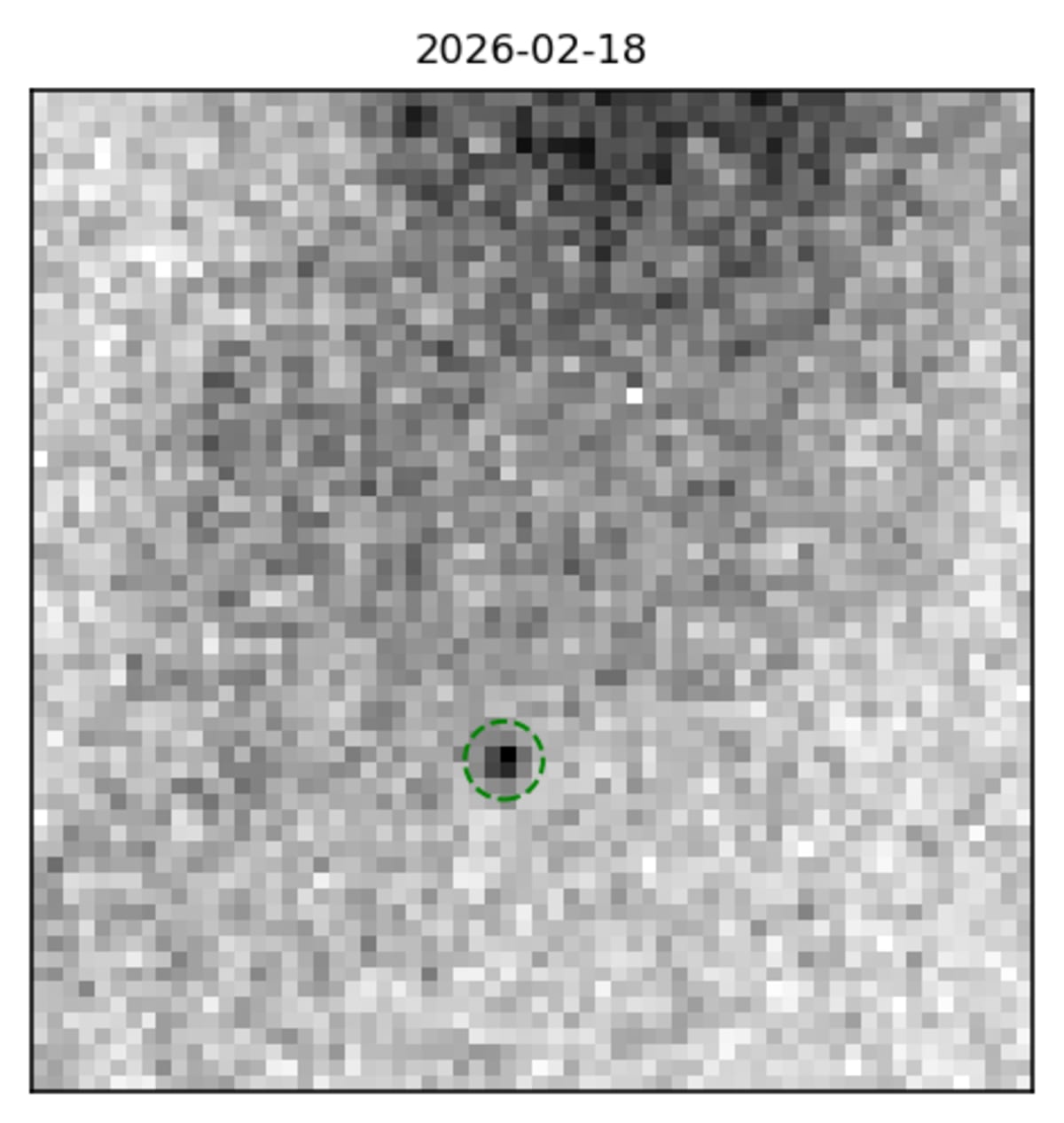
Rather than waiting until 2028 for the next observation window, researchers at Johns Hopkins University Applied Physics Laboratory spotted an opportunity. Between February 18 and 26 this year, the asteroid would pass in front of stars precisely mapped by the European Space Agency's Gaia mission.
The James Webb Space Telescope took on the challenge, tracking one of the faintest objects it has ever observed through a tiny 2.2 square arcminute field of view. Working alongside NASA's Center for Near-Earth Object Studies and ESA's Near-Earth Object Coordination Centre, engineers aimed the telescope with pinpoint accuracy.
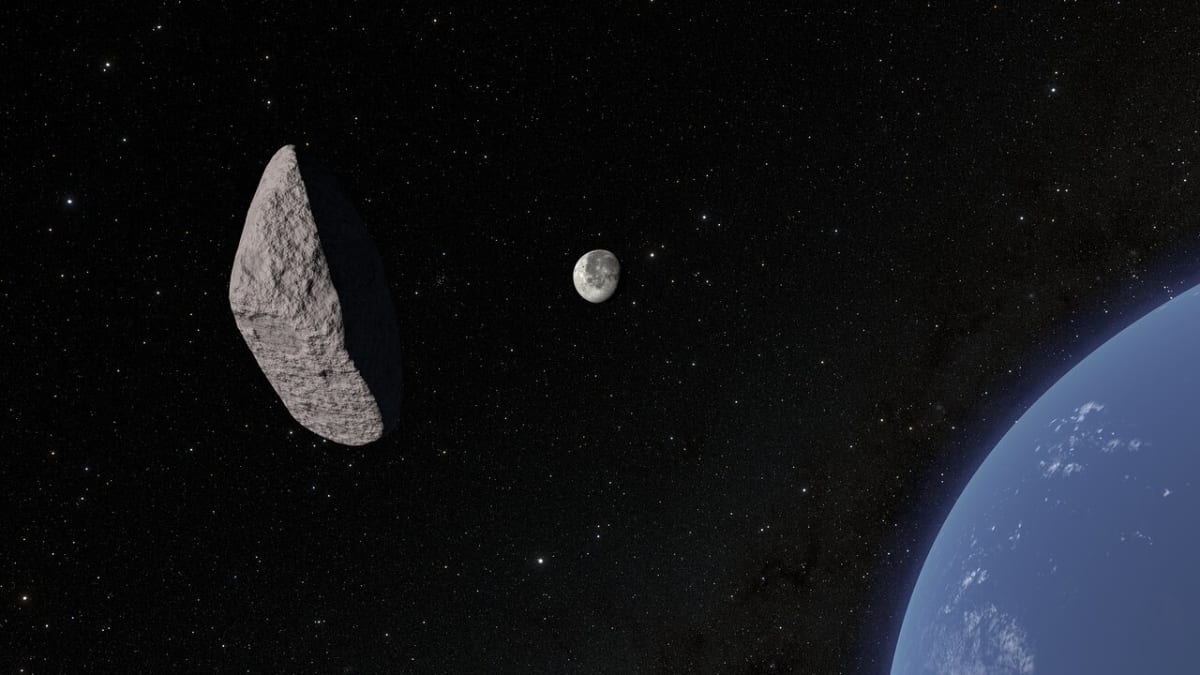
The new measurements delivered good news. Asteroid 2024 YR4 will pass 13,200 miles above the lunar surface, close enough for a cosmic near-miss but posing zero danger.
The Bright Side
If the asteroid had struck the moon's near side, scientists would have witnessed their first up-close view of a large lunar impact. The explosion would have equaled 6 million tons of TNT, creating a brilliant flash visible from Earth and a new crater nearly a mile wide.
But that spectacle would have come with serious downsides. Millions of pounds of debris would have escaped the moon's gravity and rained toward Earth, creating hazards for satellites that could have lasted years. The close call without the collision gives us the best outcome: valuable tracking experience and improved monitoring capabilities without any actual danger.
This success story showcases how international cooperation and cutting-edge technology work together to keep watch over our cosmic neighborhood. When humanity needed answers about a potential threat, our most advanced telescope delivered them four years ahead of schedule.
More Images

Based on reporting by Space.com
This story was written by BrightWire based on verified news reports.
Spread the positivity!
Share this good news with someone who needs it