James Webb Telescope Solves Giant Planet Mystery
Scientists using the James Webb Space Telescope discovered how planets 15 times bigger than Jupiter might form, settling a cosmic debate. The breakthrough could explain how the universe's most massive worlds come to exist.
Scientists just figured out how the universe creates its most massive planets, and the answer surprised them.
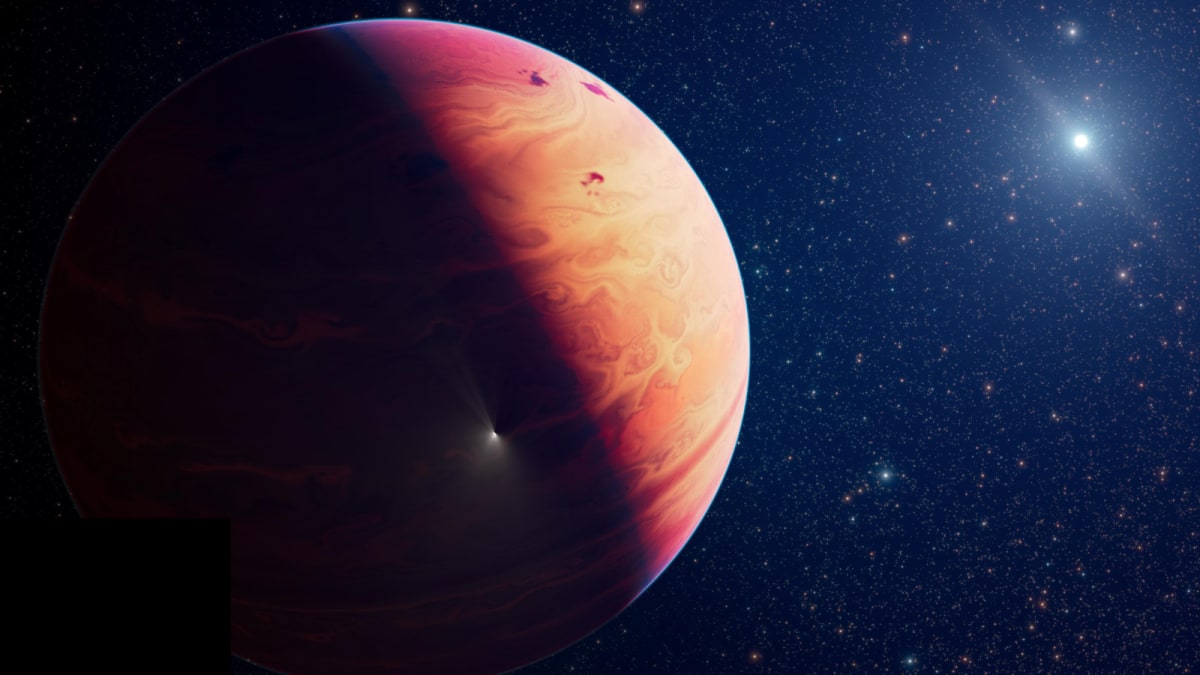
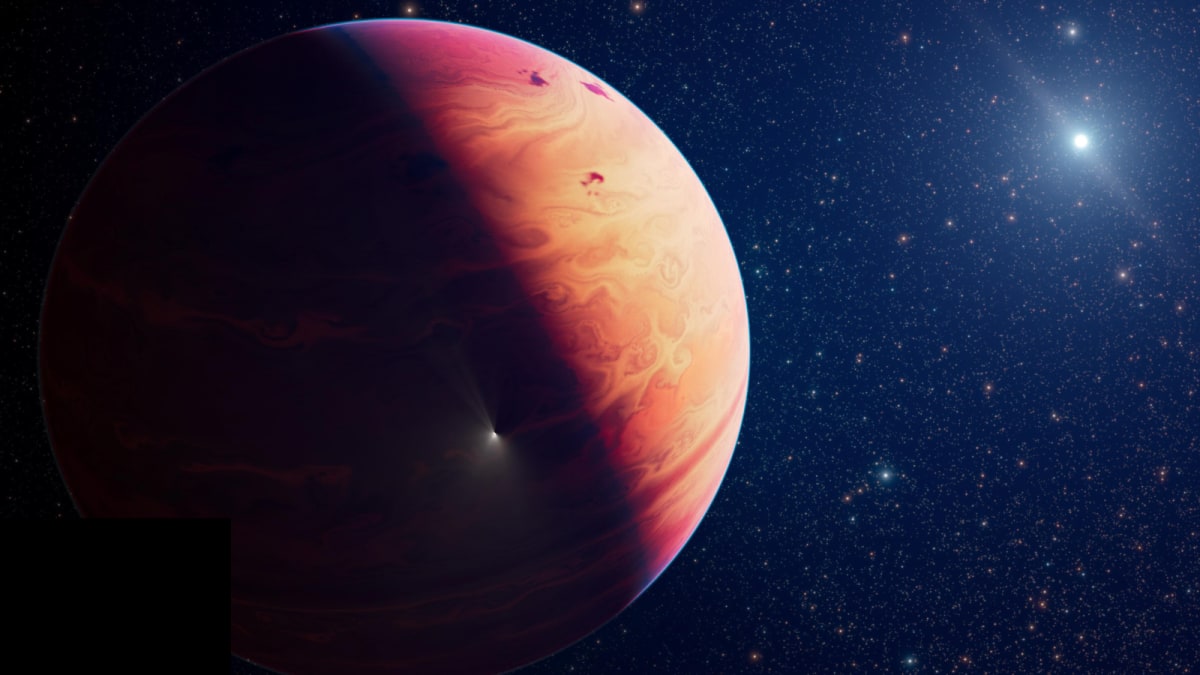
Using the James Webb Space Telescope, astronomers studied 29 Cygni b, a gas giant planet 15 times heavier than Jupiter sitting 133 light-years from Earth. The planet sits right at the boundary between what we consider a planet and what might be a failed star, making it the perfect subject for solving a cosmic mystery.
For years, scientists debated how such enormous planets could possibly form. Most planets grow from the bottom up, starting as tiny clumps of rock and ice that slowly stick together over millions of years. But that process struggles to explain how anything gets as massive as 29 Cygni b.
The alternative theory suggested these giants must collapse directly from dense gas clouds, the same way stars form. It made sense given their incredible size, but new evidence tells a different story.
The telescope's infrared camera revealed something fascinating in the planet's atmosphere. 29 Cygni b contains 150 times more metals (elements heavier than helium) than Earth does. Even more importantly, it has way more metals than its parent star.
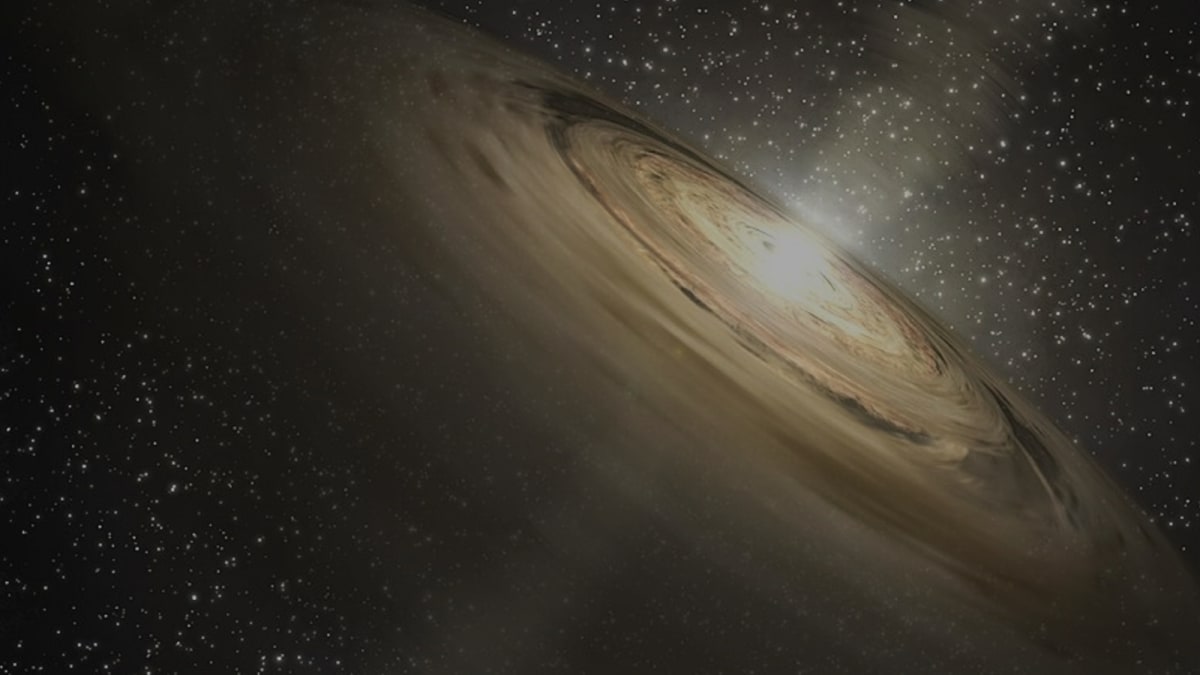
That composition tells scientists the planet didn't just collapse from gas. Instead, it vacuumed up metal-rich chunks of material from the spinning disk of dust and gas around its young star. The planet's orbit also lines up perfectly with how its star rotates, another sign it formed within that protoplanetary disk rather than collapsing separately.
The discovery means even the universe's most gigantic planets might grow the same basic way smaller planets do. They just got really good at gathering material during their formation.
Why This Inspires
This breakthrough shows that even the biggest cosmic mysteries have answers waiting to be discovered. The James Webb Space Telescope continues proving that our most advanced tools can reveal truths about worlds trillions of miles away.
The research team plans to study three more giant planets to see if they share similar metal-rich atmospheres. If they do, scientists will finally understand how the Milky Way's most massive planets were born.
Sometimes the giants and the small follow the same rules after all.
More Images


Based on reporting by Space.com
This story was written by BrightWire based on verified news reports.
Spread the positivity!
Share this good news with someone who needs it