James Webb Telescope Solves Mystery of Bright Red Galaxies
Scientists thought impossibly bright galaxies discovered by the James Webb Space Telescope might break our understanding of the universe. New research suggests they contain baby black holes instead, solving the cosmic puzzle without upending physics.
The James Webb Space Telescope just turned a cosmic crisis into a fascinating discovery about how black holes grow up.
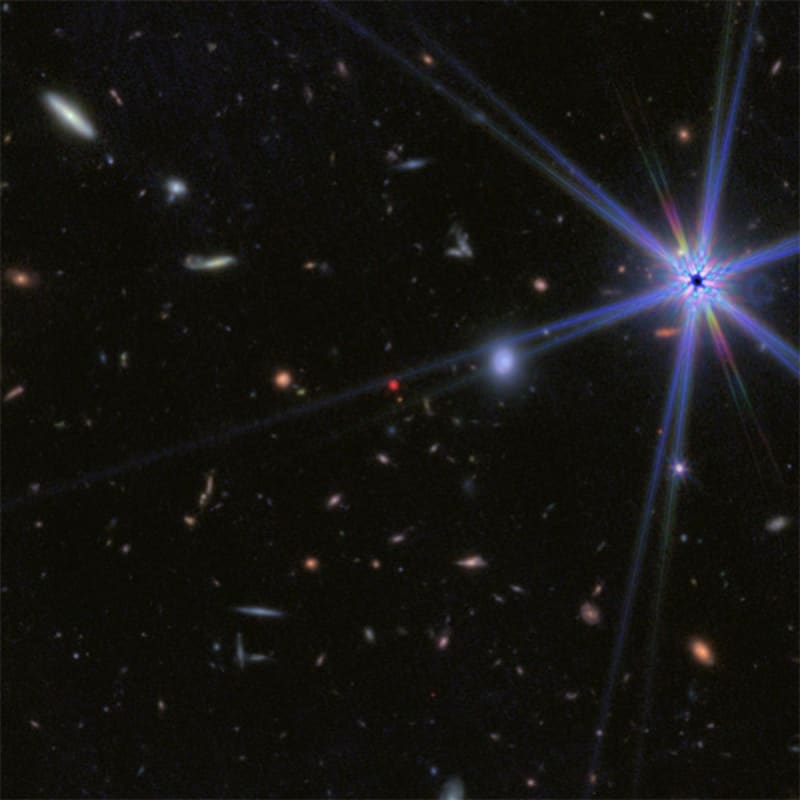
When the telescope first spotted hundreds of extremely bright, red galaxies from the early universe, astronomers were genuinely worried. These "little red dots" shone so intensely that they seemed impossible under our current understanding of physics.
Scientists faced two troubling explanations. Either these young galaxies contained monstrous black holes far larger than should exist at that point in cosmic history, or they packed way more stars than our models predicted.
Both options threatened to upend decades of research about how the universe evolved. Astronomers scrambled to figure out what was going on.
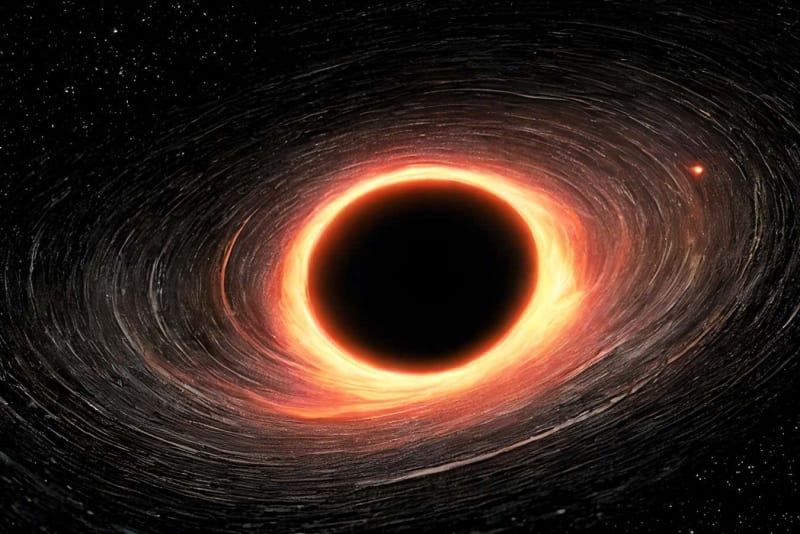
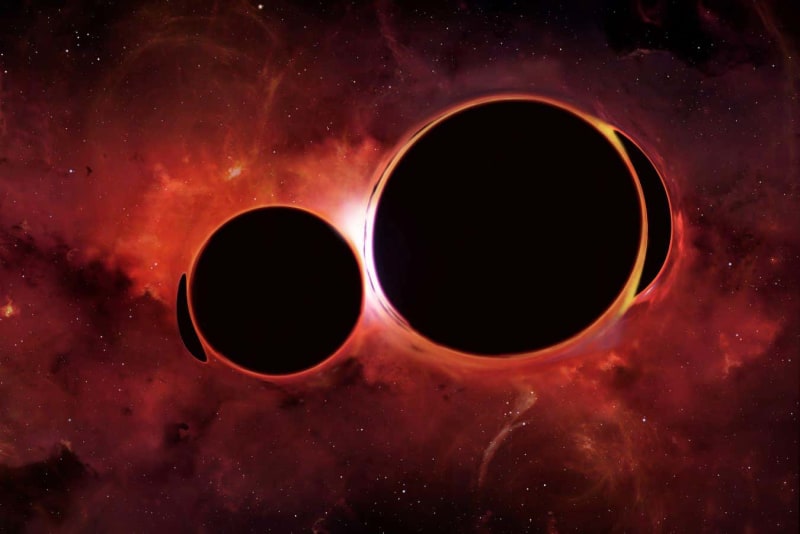
Now researchers believe they've cracked the case with a much more encouraging answer. These galaxies likely contain baby black holes that are still growing and developing.
These younger black holes behave differently than their fully mature counterparts. They emit light in ways that make their host galaxies appear much brighter than they actually are, creating an optical illusion across billions of light years.
The discovery means our fundamental understanding of the cosmos remains intact. We don't need to rewrite the rules of galaxy formation or black hole physics after all.
Why This Inspires
This story captures science at its best. When faced with confusing data that seemed to break everything we knew, researchers didn't panic or give up.
Instead, they kept investigating until they found an explanation that made sense. The "impossibly bright" galaxies weren't breaking the laws of physics but revealing a new chapter in how black holes mature.
The James Webb Space Telescope continues proving its worth just a few years into its mission. By peering deeper into the early universe than ever before, it's not destroying our knowledge but refining and expanding it.
Every mystery the telescope uncovers teaches us something new about how galaxies, stars, and black holes formed after the Big Bang. We're literally watching baby black holes grow up across cosmic time.
The universe just got a little less mysterious and a lot more understandable.
More Images

Based on reporting by Google: James Webb telescope
This story was written by BrightWire based on verified news reports.
Spread the positivity! 🌟
Share this good news with someone who needs it