14 results for "galaxies"
Scientists discovered Cloud-9, a mysterious gas cloud 14 million light-years away that looks like a galaxy but contains almost no stars. This cosmic oddball offers a rare window into understanding dark matter, the invisible force making up 85% of the universe's mass.
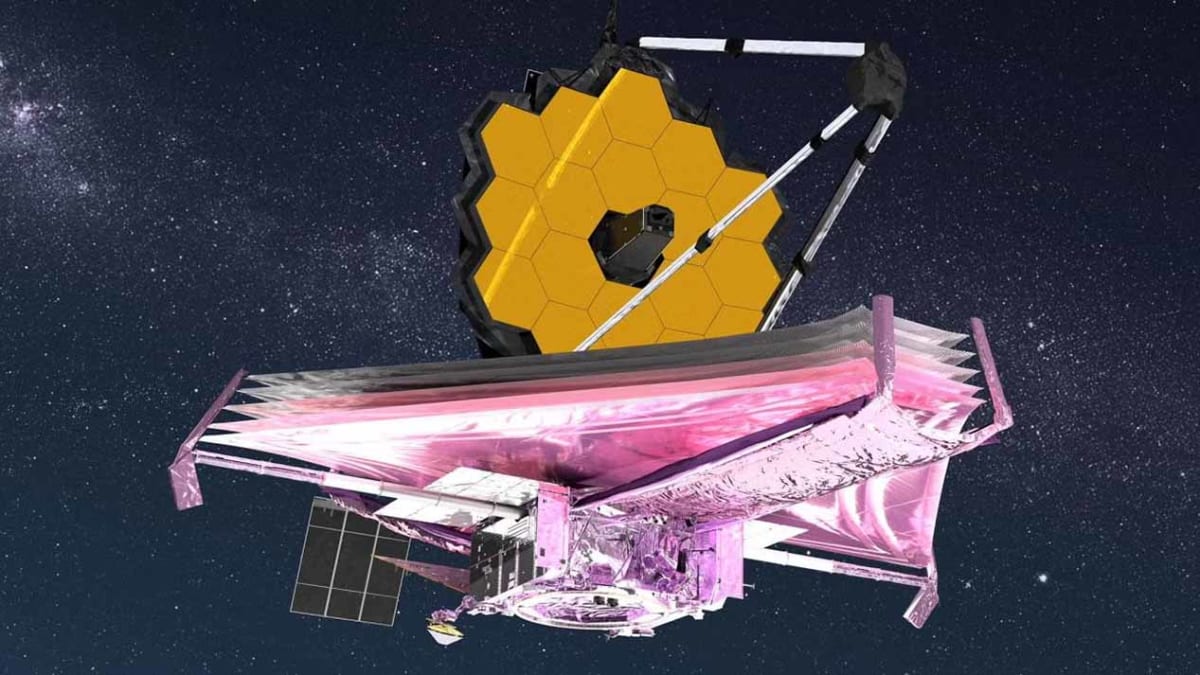
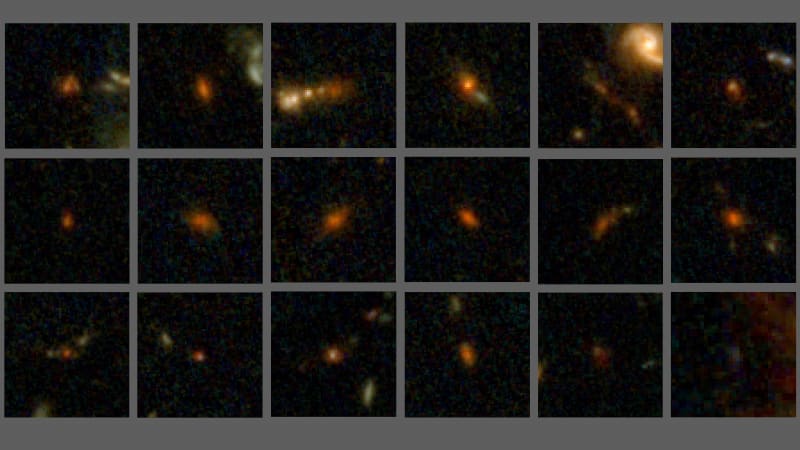
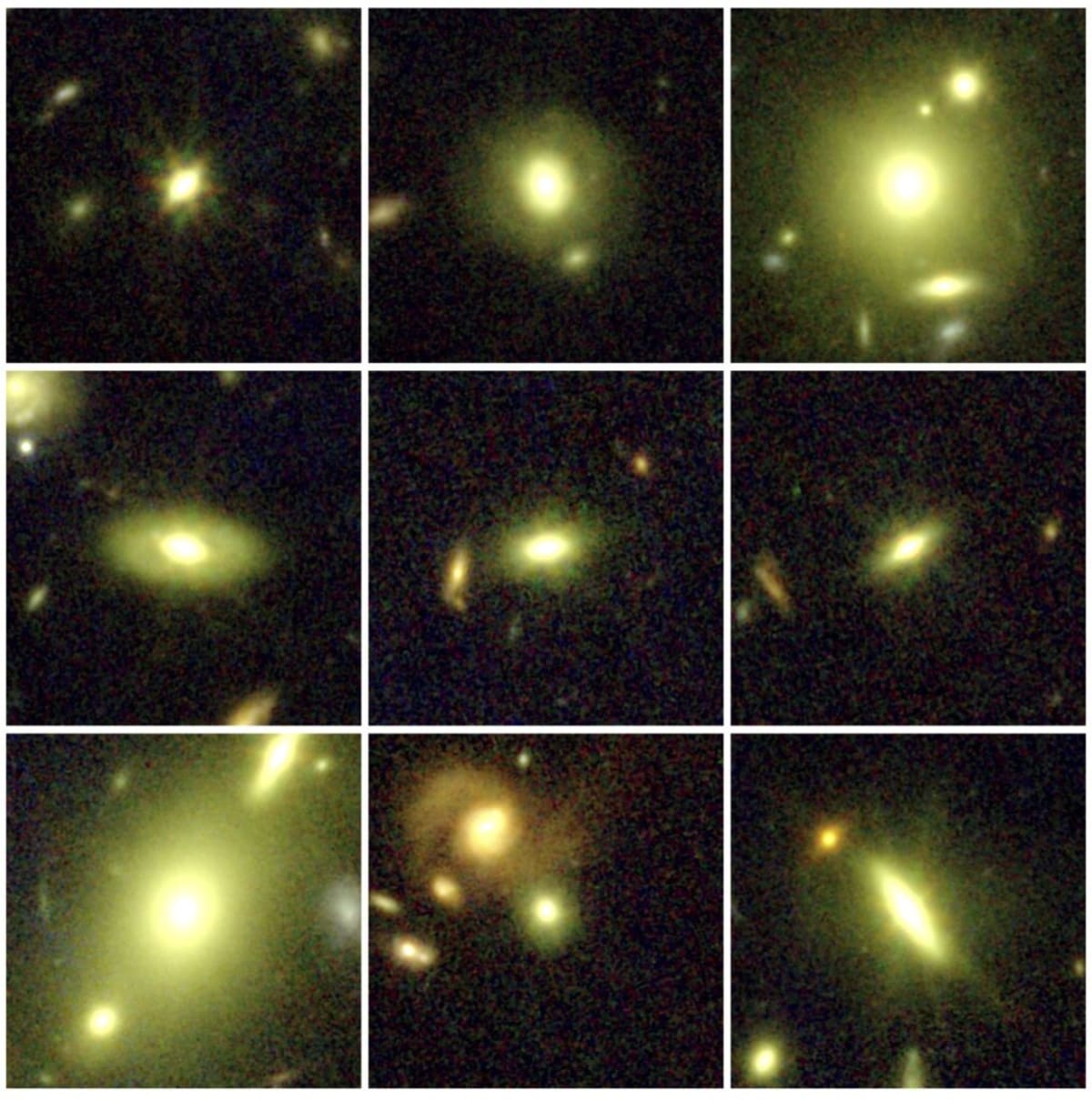
🚀 InnovationThe James Webb Space Telescope has spotted nine bizarre galaxies that defy every category astronomers know, earning them the nickname "platypus galaxies." These tiny cosmic oddballs could reveal secrets about how the very first galaxies formed in our universe.
🚀 InnovationNASA's James Webb Space Telescope just discovered the biggest stream of super-heated gas ever observed, erupting from a nearby galaxy with the force of 10 quintillion hydrogen bombs exploding every second. Scientists at UC Irvine say the finding reveals how powerful black holes can reshape entire galaxies.
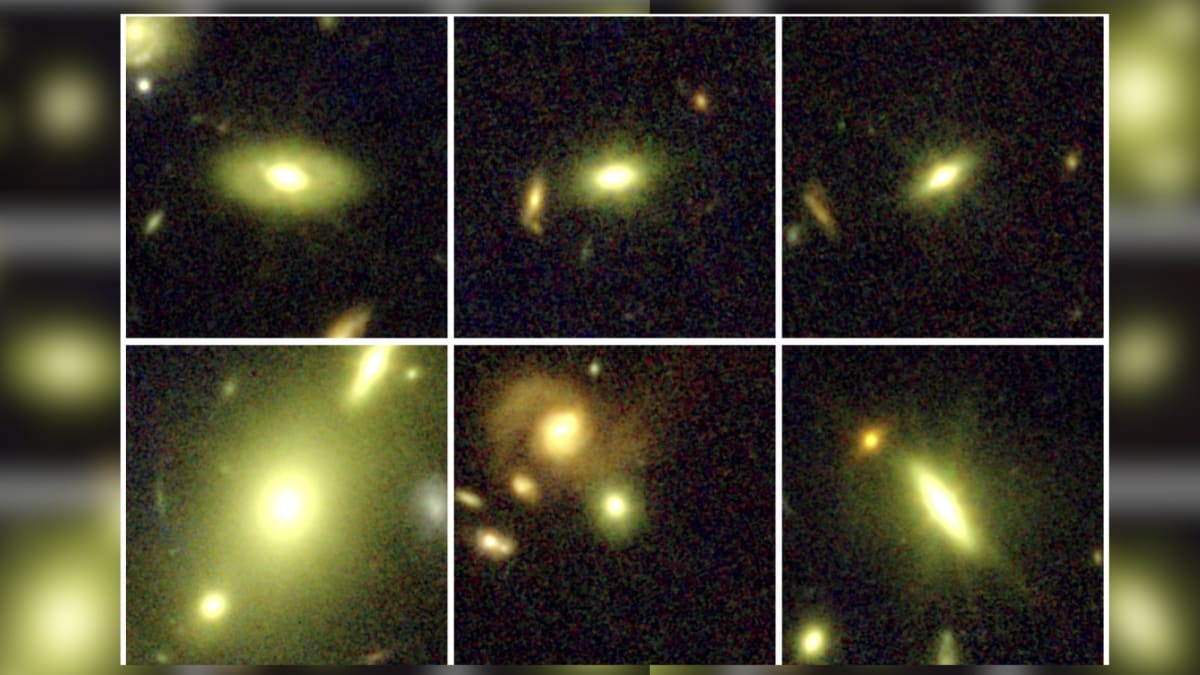
🚀 InnovationThe James Webb Space Telescope has discovered nine mysterious galaxies so unusual that scientists named them after platypuses. These cosmic oddities could reveal how the first galaxies formed in our universe.
🌐 Global NewsScientists using the James Webb Space Telescope have discovered nine mysterious cosmic objects that blend features of stars and galaxies in ways never seen before. These "platypus" objects, dating to the early universe, may reveal exciting new secrets about how galaxies formed billions of years ago.
🚀 InnovationNASA's James Webb Space Telescope has unveiled nine extraordinary galaxies from the early universe that don't fit any known category, opening exciting new windows into how the cosmos first formed. These tiny, mysterious objects from 12 billion years ago are challenging everything astronomers thought they knew about galaxy birth.
🎬 VideosIn a groundbreaking achievement, an international team of scientists has created the most detailed X-ray image ever captured of a rapidly spinning supermassive black hole, revealing matter orbiting at nearly the speed of light. This stunning breakthrough opens new doors to understanding how galaxies grow and evolve across the universe.
🚀 InnovationScientists are celebrating an exciting cosmic mystery after NASA's James Webb Space Telescope spotted nine unusual celestial objects that don't fit any known category. These adorable "platypus" galaxies, as researchers affectionately call them, could hold the key to understanding how the first galaxies formed billions of years ago.
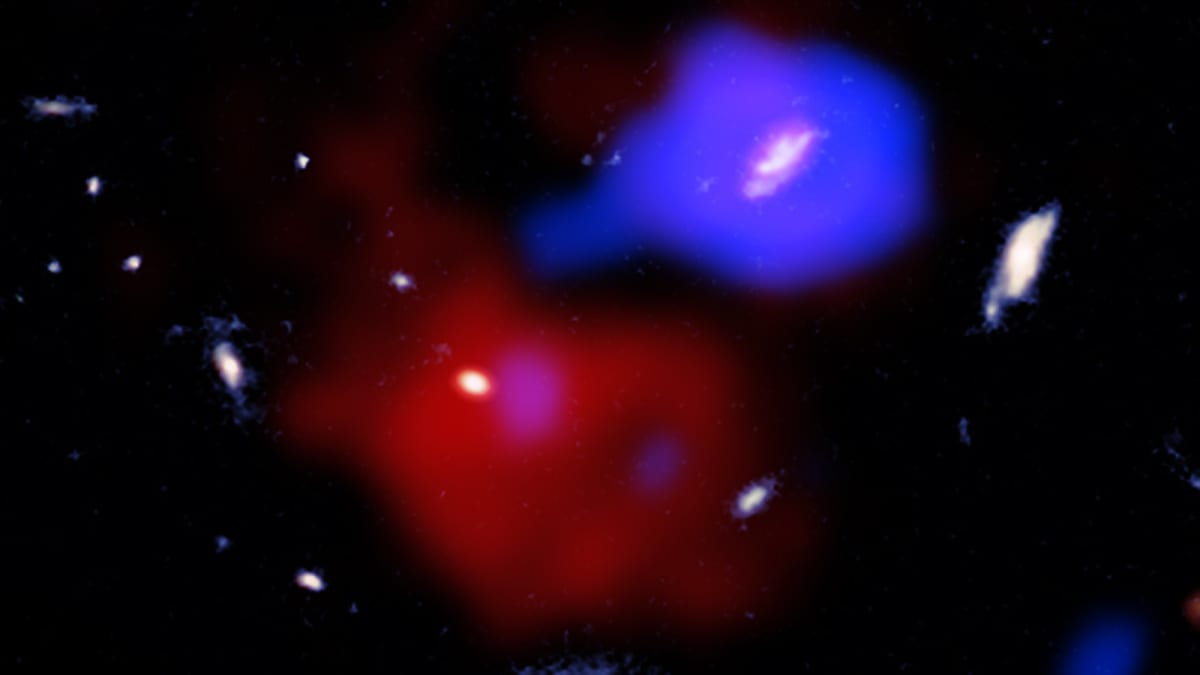
🚀 InnovationScientists using Hawaii's Keck Observatory have made an extraordinary cosmic discovery, unveiling the largest stream of super-heated gas ever observed flowing from a galaxy 20,000 light-years into space. This groundbreaking finding opens new windows into understanding how galaxies evolve and transform over billions of years.
🚀 InnovationScientists have made an extraordinary discovery 14 million light-years from Earth: Cloud-9, a "galaxy that wasn't," offering an unprecedented window into the universe's earliest days. This groundbreaking find promises to revolutionize our understanding of how galaxies form and what dark matter truly is.
🚀 InnovationScientists have made an exciting discovery that brings us closer to understanding one of the universe's greatest mysteries! A newly found astronomical object nicknamed "Cloud-9," located 14 million light-years from Earth, could finally help reveal the secrets of dark matter and how galaxies formed in the early universe.
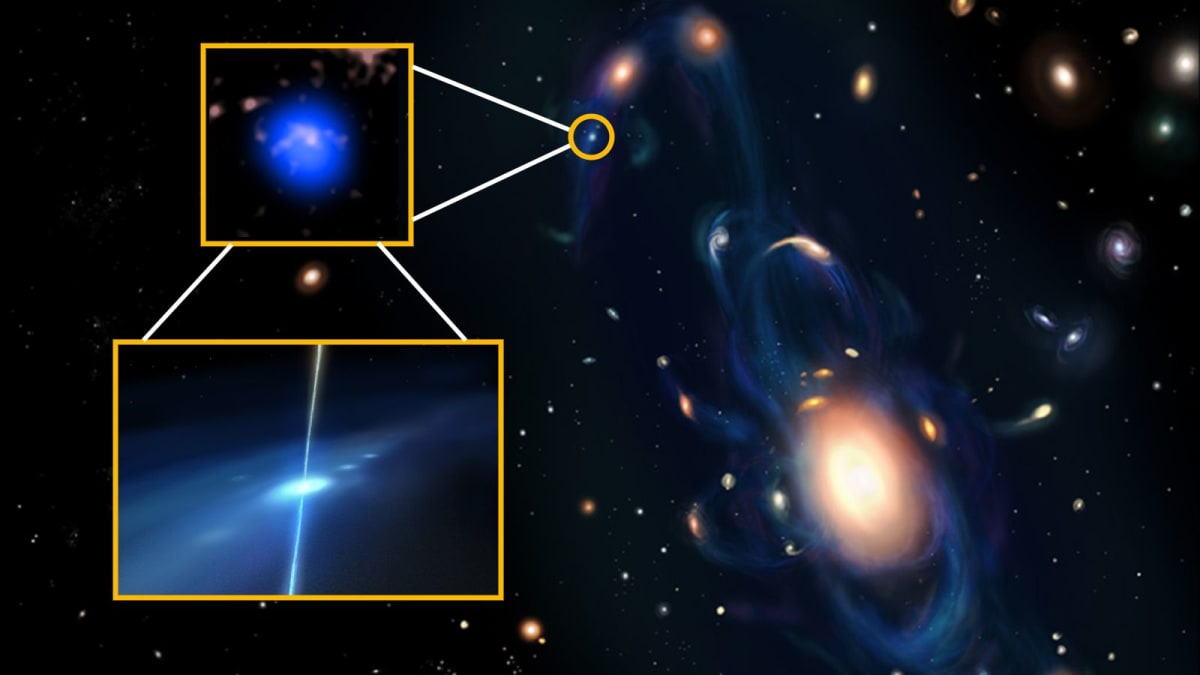
🚀 InnovationIn an astronomical breakthrough, the James Webb Space Telescope has confirmed the first-ever runaway supermassive black hole, creating a stunning 200,000 light-year trail of newborn stars as it journeys through space. This remarkable discovery opens exciting new chapters in our understanding of how galaxies and black holes evolve together.
🚀 InnovationA graduate student at the University of Pittsburgh has made an extraordinary discovery that's rewriting our understanding of the early universe. The finding of a beautifully structured barred spiral galaxy from just 2 billion years after the Big Bang shows that cosmic complexity emerged far earlier than previously thought, offering exciting new insights into how galaxies like our own Milky Way came to be.
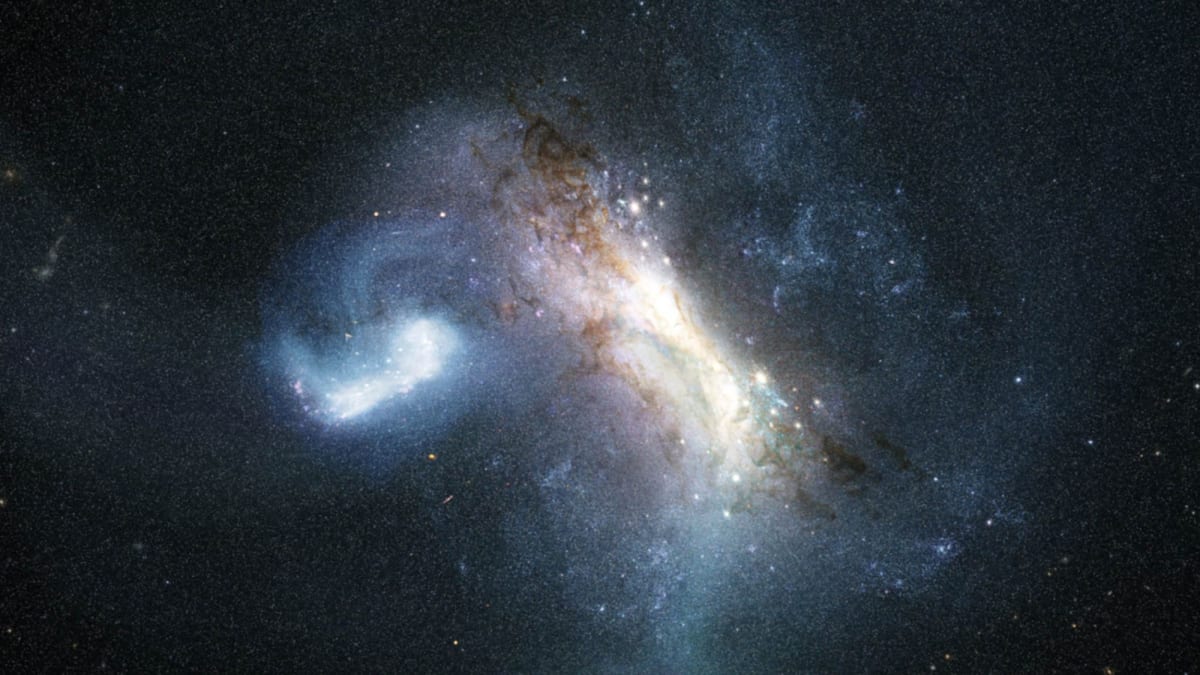
🚀 InnovationNASA's James Webb Space Telescope and Chandra X-ray Observatory have captured a breathtaking image of two galaxies embracing in space, showcasing the beautiful and dynamic nature of our universe. This celestial encounter offers scientists an incredible window into how galaxies evolve and grow over billions of years.