Scientists Solve Mystery of Early Universe's Dead Galaxies
Astronomers using the James Webb Space Telescope discovered powerful "galaxy-killing" winds that blow away the gas needed to form new stars, finally explaining why so many massive galaxies in the early universe died young. The finding shows how rapidly growing galaxies essentially destroyed themselves.
Scientists just cracked a cosmic puzzle that's been bothering astronomers for years: why did so many massive galaxies in the early universe stop forming stars and die so quickly?
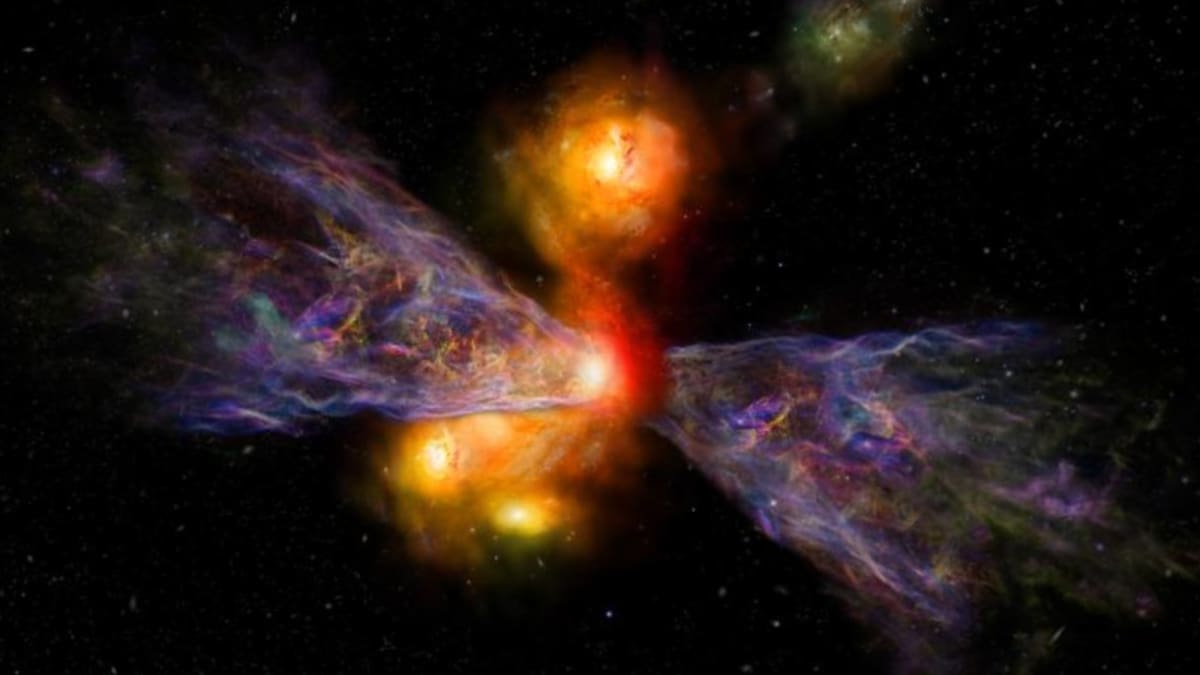
Using the James Webb Space Telescope and the ALMA observatory, researchers discovered powerful winds blasting out of young galaxies at incredible speeds. These "galaxy-killing" winds are stripping away the very gas galaxies need to create new stars.
Lead researcher Rebecca Davies from Swinburne University of Technology found the smoking gun in a galaxy called CRISTAL-02. This galaxy existed just one billion years after the Big Bang, and it's forming stars at twice the normal rate for its time period.
But there's a catch. CRISTAL-02 is also ejecting gas into space twice as fast as it's making stars.
"If this rapid blowout continues, the galaxy could be dead in less than 50 million years," Davies explained. That might sound like a long time, but it's incredibly brief in cosmic terms.
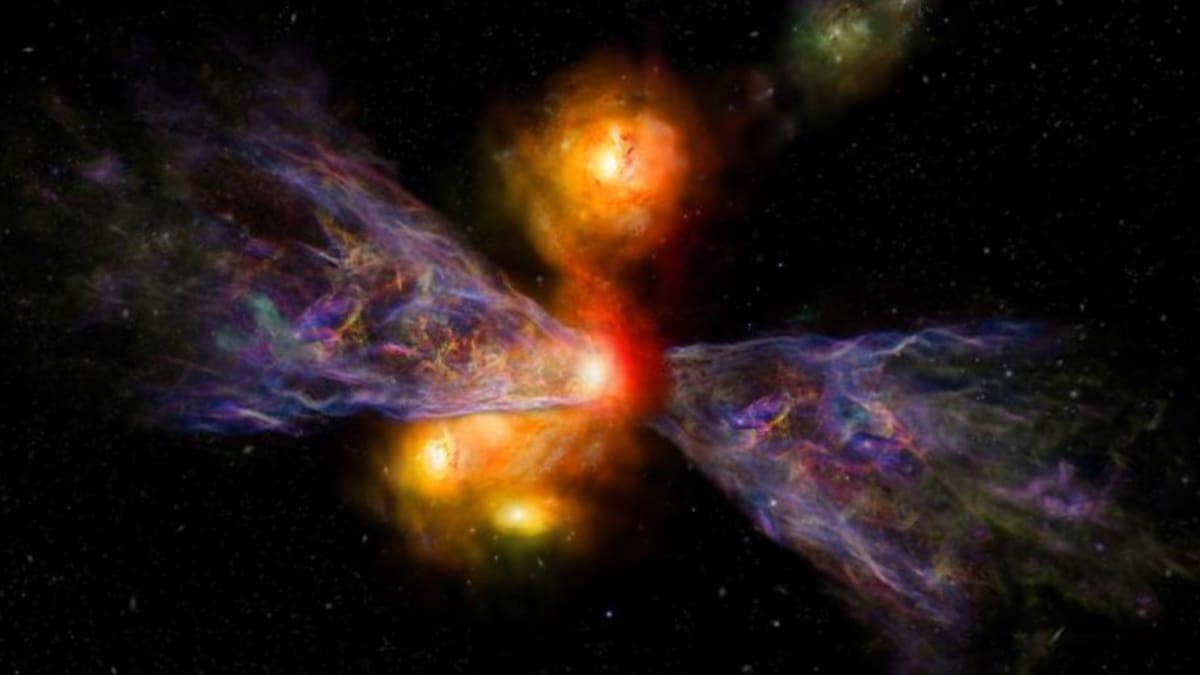
The discovery reveals a dramatic cycle of self-destruction. When multiple galaxies merge together, their combined gas fuels an explosion of star formation. But when the biggest of these new stars burn out, they explode as supernovas and launch devastating winds that blast away the remaining gas reserves.
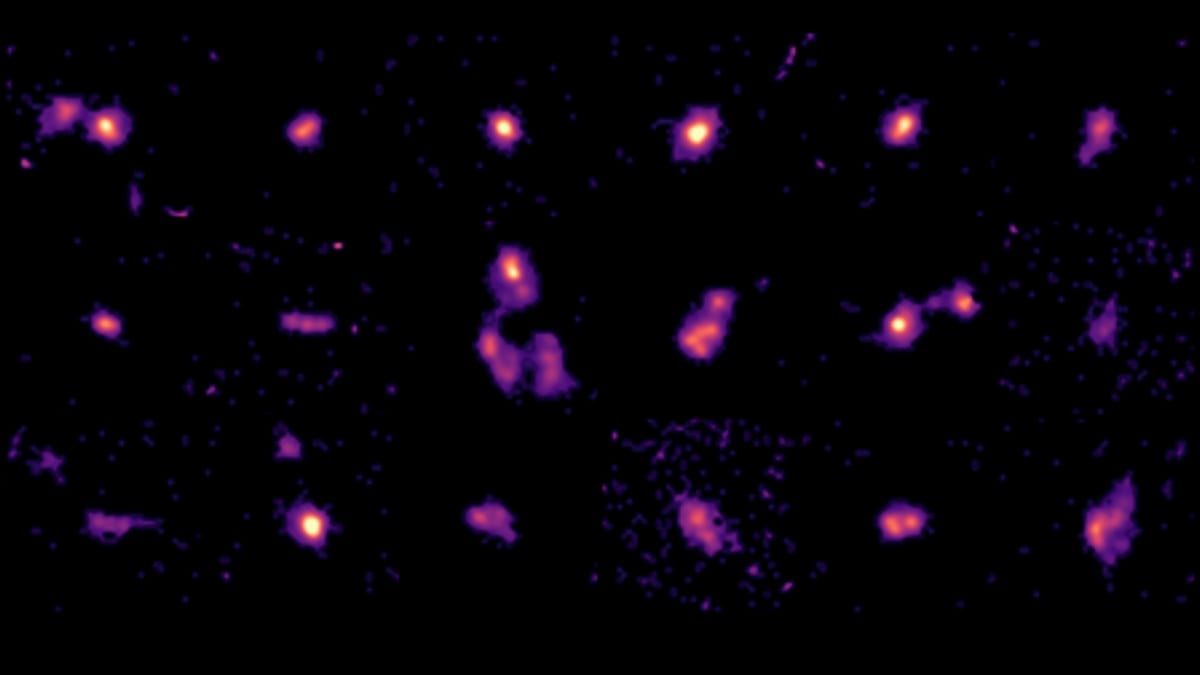
CRISTAL-02 isn't alone in this pattern. Observations show that nearly half of massive galaxies in the early universe were colliding with nearby companions, suggesting these merger-driven winds were extremely common.
Why This Inspires
This breakthrough transforms a confusing mystery into an elegant story of cause and effect. Scientists can now understand that the early universe's most dynamic galaxies weren't failing—they were simply burning too bright.
The discovery showcases how new technology like the James Webb Space Telescope continues unlocking secrets about our cosmic origins. Every answer raises new questions about how galaxies evolve and what forces shape the universe we see today.
Davies puts it perfectly: "CRISTAL-02 offers a natural solution to the mystery of why these massive galaxies live fast and die young." Sometimes understanding why something ends helps us appreciate how beautifully complex the universe really is.
The findings were published in Monthly Notices of the Royal Astronomical Society: Letters, opening new paths for understanding galaxy evolution across cosmic time.
More Images

Based on reporting by Space.com
This story was written by BrightWire based on verified news reports.
Spread the positivity!
Share this good news with someone who needs it