Early Galaxies May Hold 4X More Stars Than We Thought
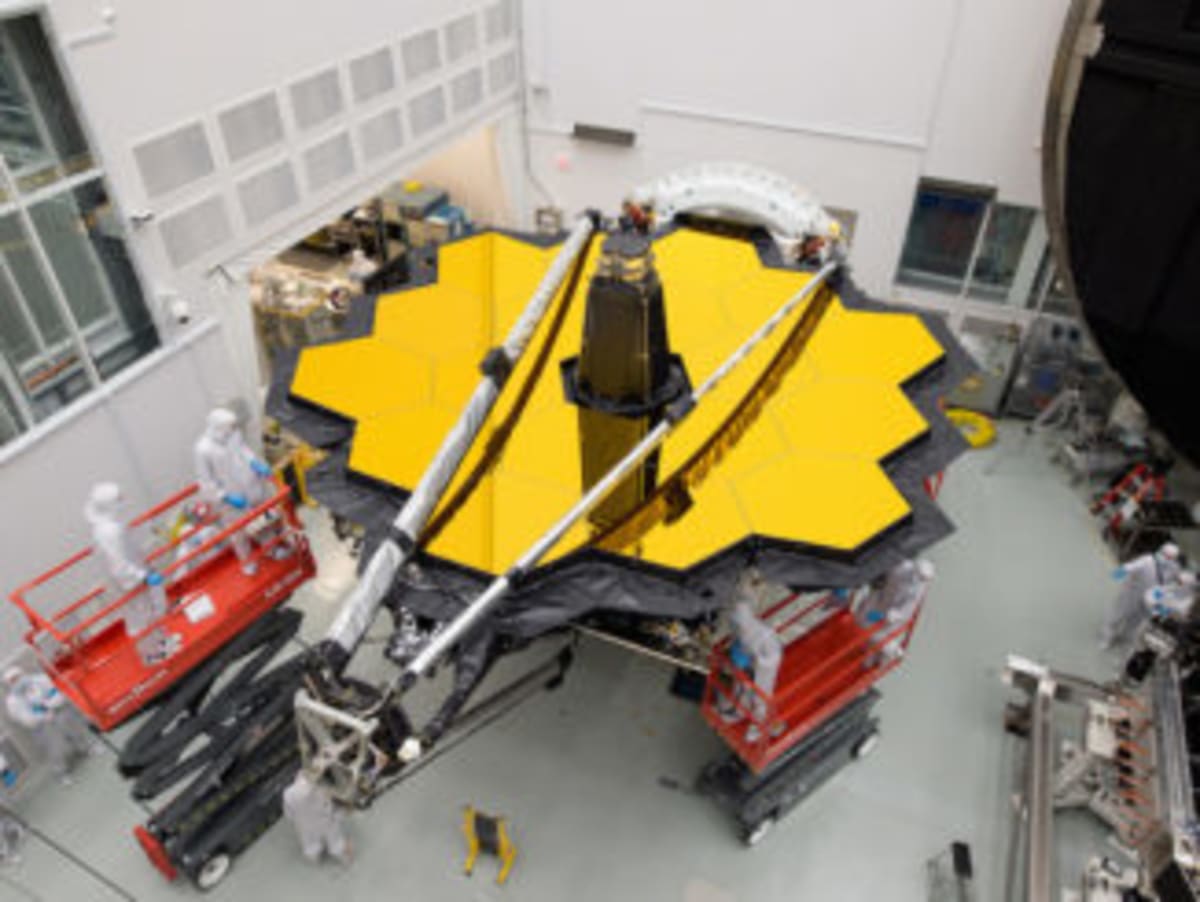
The James Webb Space Telescope just revealed that ancient galaxies might contain far more stars than scientists previously believed. This discovery could rewrite our understanding of how the universe formed its first massive galaxies.
Scientists studying distant galaxies just discovered something amazing hiding in plain sight: billions of stars we never knew existed.
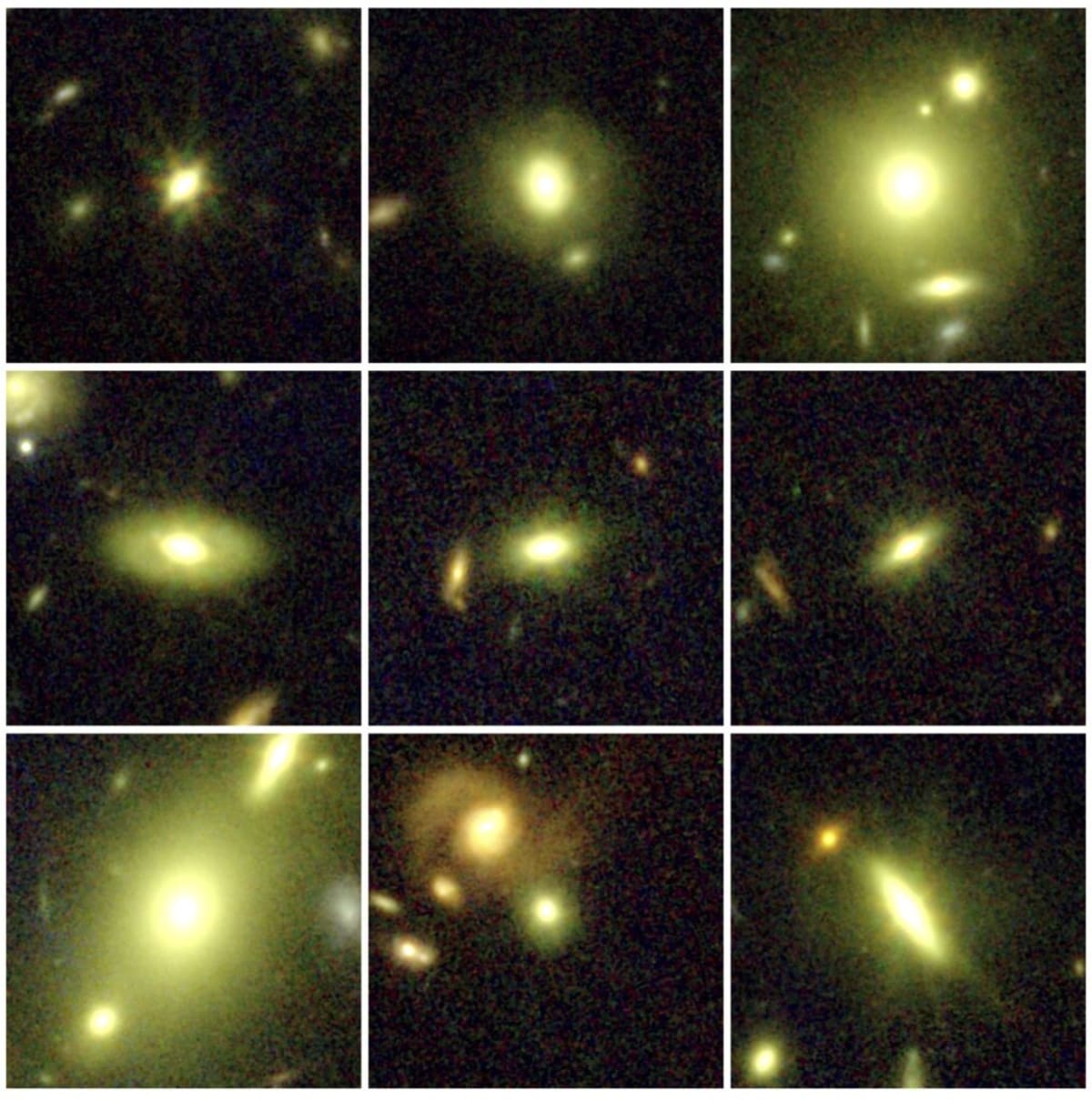
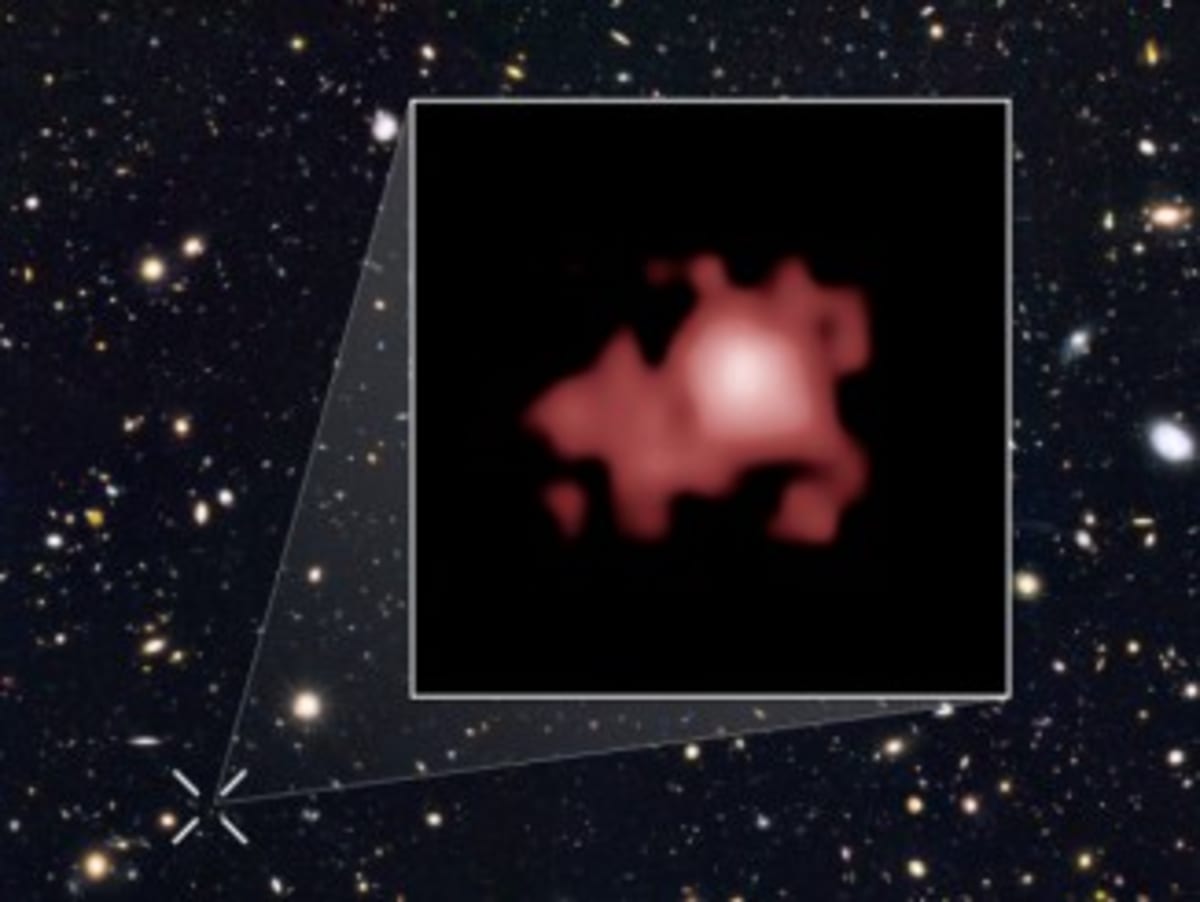
Researchers at Leiden University used the James Webb Space Telescope to peer deep into nine ancient galaxies formed seven billion years ago. What they found changes everything we thought we knew about how early galaxies grew.
The secret lies in the smallest stars. Red dwarfs and other tiny stars are too faint to see individually across vast cosmic distances, so astronomers have been guessing their numbers based on what we see in our own Milky Way galaxy. Turns out, that assumption was wrong.
Lead researcher Chloe Cheng and her team discovered that several of these ancient galaxies contain far more small stars than expected. She compares it to viewing a city from afar: the bright skyscrapers catch your eye immediately, but countless houses hide between them. In these galaxies, the faint stars vastly outnumber their brilliant neighbors.
The implications are staggering. For the two oldest galaxies studied, likely descendants of the universe's very first massive galaxies, this discovery means they could be three to four times heavier than we calculated. These galaxies already puzzled scientists because they seemed impossibly large for the young universe, formed just a billion years after the Big Bang. Now they appear even more massive.
Why This Inspires
This discovery opens exciting new possibilities for understanding our cosmic origins. The finding suggests the early universe was far busier building galaxies than we imagined, working with a cosmic recipe that created more small stars than we see today.
There's another uplifting angle too. Small stars commonly host planets, which means the early universe likely formed more planets than scientists previously assumed. Our cosmic neighborhood might have been teeming with worlds far earlier than we thought.
Mariska Kriek, who led the research, emphasizes that much more mass than previously believed is hidden in these low-mass stars. The team's work reveals just how much we still have to learn about our universe's infancy.
Future observations will tackle the even harder challenge of measuring stellar populations in the universe's earliest galaxies themselves. If astronomers find the same abundance of faint stars there, it will confirm that the cosmos was extraordinarily productive in its youth.
Every new discovery from the James Webb Space Telescope reminds us that the universe holds more wonders than we ever imagined, just waiting to be revealed.
More Images

Based on reporting by Google: James Webb telescope
This story was written by BrightWire based on verified news reports.
Spread the positivity!
Share this good news with someone who needs it