Scientists Discover Universe Could Be Shaped Like a Doughnut
New research just reopened one of cosmology's biggest questions: what shape is our universe? Possibilities once thought impossible are now back in play.
Find uplifting stories about heroes, innovations, and solutions
84 results for "cosmology"
New research just reopened one of cosmology's biggest questions: what shape is our universe? Possibilities once thought impossible are now back in play.
Physicists at Brown University discovered why the universe expands at a steady pace instead of spiraling out of control. The answer lies in the shape of space-time itself, which acts like a cosmic safety switch.
Scientists developed an AI system that's 95% better at detecting how the universe is changing, potentially revealing gaps in our cosmic understanding. The breakthrough could help solve some of astronomy's biggest mysteries.
Astronomers are closer to solving one of space's biggest mysteries: whether black holes or galaxies formed first. New evidence suggests black holes might have been the cosmic pioneers.
%2Fhttps%3A%2F%2Ftf-cmsv2-smithsonianmag-media.s3.amazonaws.com%2Ffiler_public%2F4f%2F13%2F4f13ac73-0636-4582-90ed-887e8e215a69%2Fgalaxy-cluster.jpg)
Scientists just witnessed the earliest gathering of galaxies ever seen, forming when the universe was barely a billion years old. The discovery suggests our cosmic neighborhood came together much faster than anyone predicted.
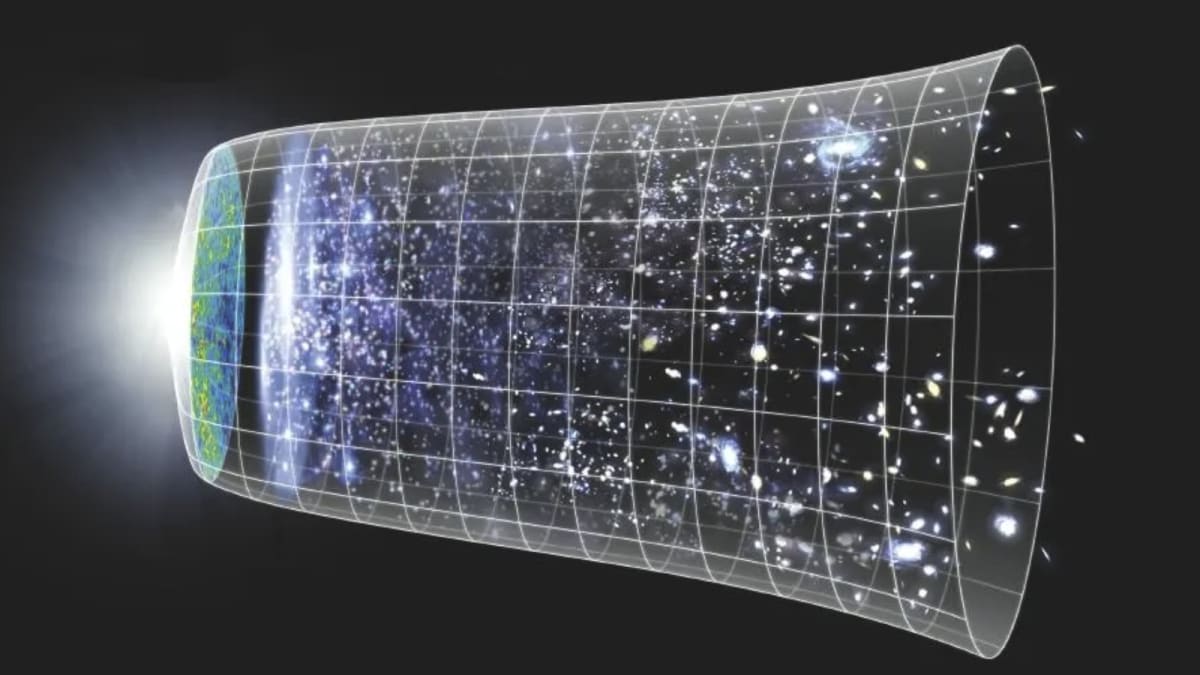
Researchers discovered how to use gravitational waves to solve one of physics' biggest mysteries: why we get different answers when measuring how fast the universe is growing. This breakthrough could finally end the decade-long "Hubble tension" debate.
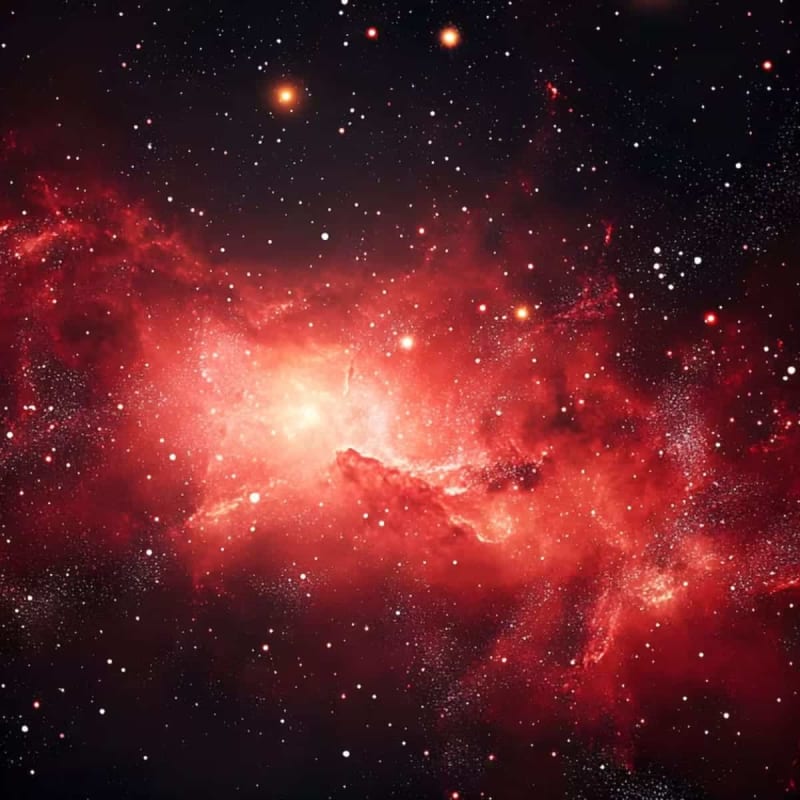
The James Webb Space Telescope discovered three massive galaxies that formed surprisingly early in the universe's history, challenging everything scientists thought they knew about how galaxies grow. These "red monsters" built stars twice as fast as current models predict was possible.
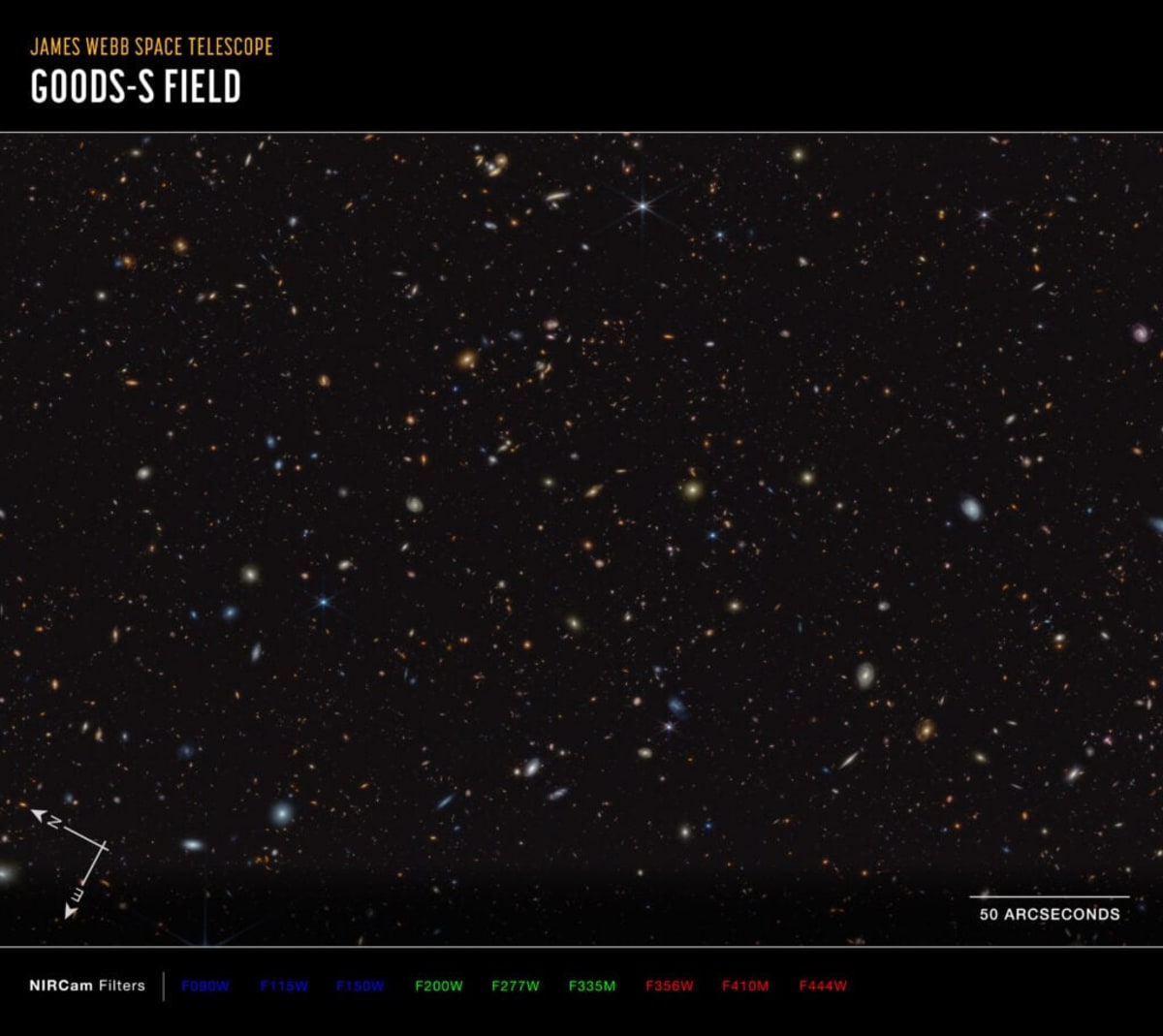
Four years of James Webb Space Telescope discoveries reveal the early universe was far busier than scientists predicted. Galaxies formed faster, shone brighter, and appeared in greater numbers just hundreds of millions of years after the Big Bang.
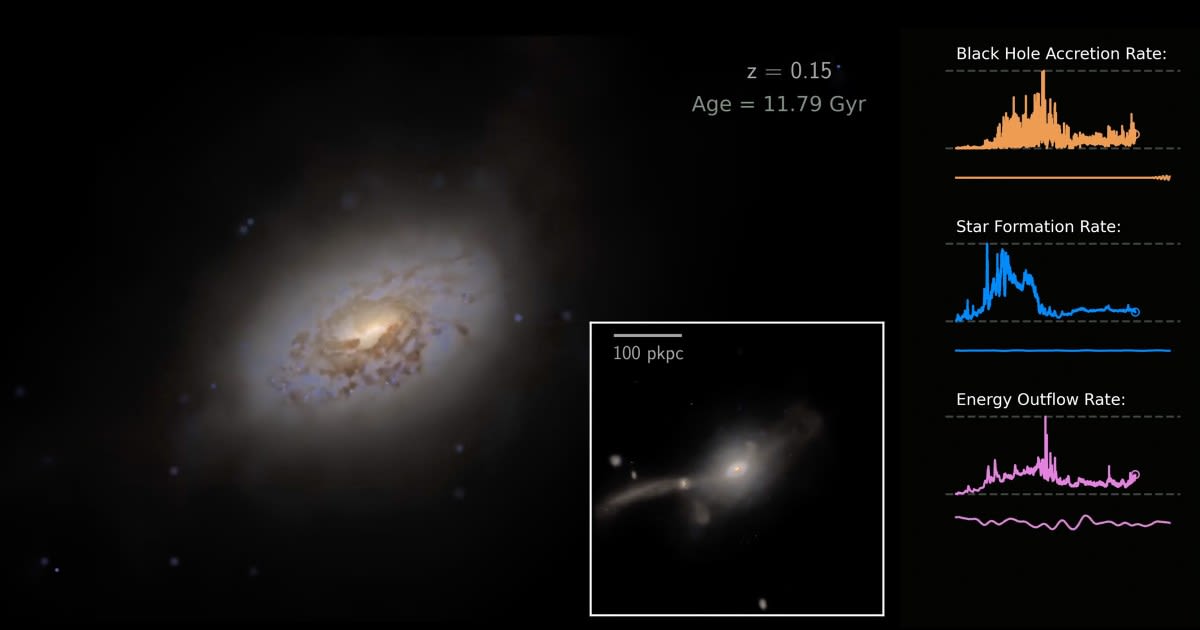
After ten years of work, astronomers built a computer simulation of the entire universe that looks remarkably like the real thing. The breakthrough confirms our understanding of how galaxies form is even better than we thought.
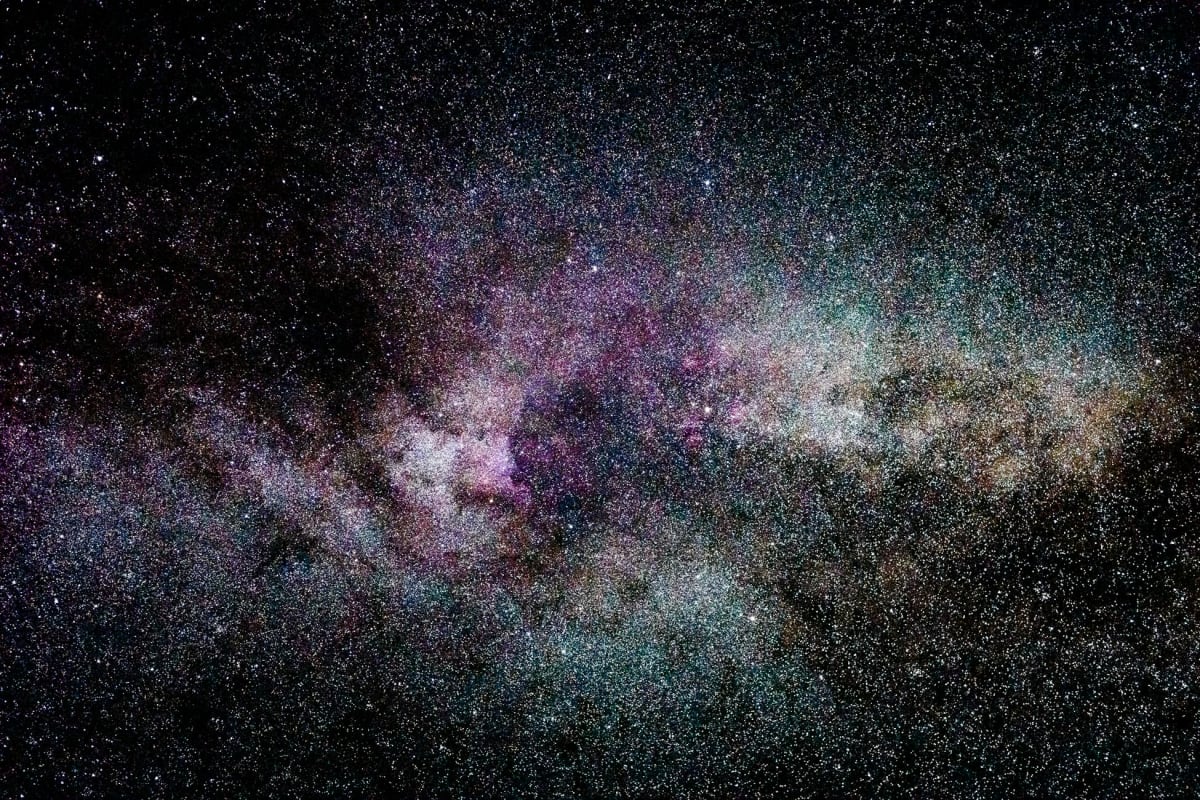
The James Webb Space Telescope is discovering ancient galaxies that are forcing scientists to rethink how the early universe worked. These cosmic overachievers are revealing that our understanding of the first billion years after the Big Bang needs a major upgrade.
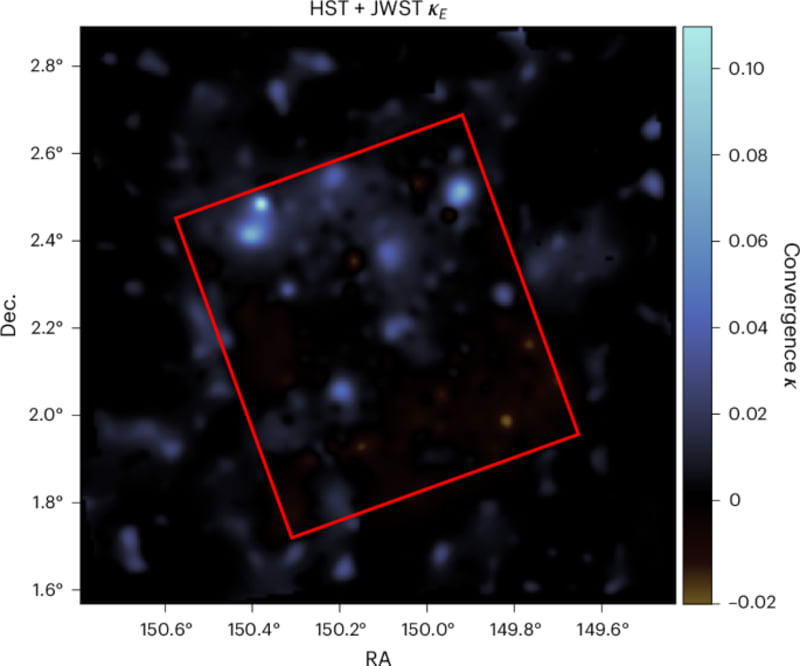
The James Webb Space Telescope just created the most detailed map ever of dark matter, the invisible substance that makes up most of our universe. Scientists can now see how galaxies formed across billions of years with twice the clarity of previous images.
Astronomers discovered a rare supernova from 10 billion years ago whose light was bent into multiple images by a galaxy's gravity, creating a cosmic time machine that could solve one of science's biggest mysteries. This discovery might finally explain dark energy, the mysterious force pushing our universe to expand faster and faster.
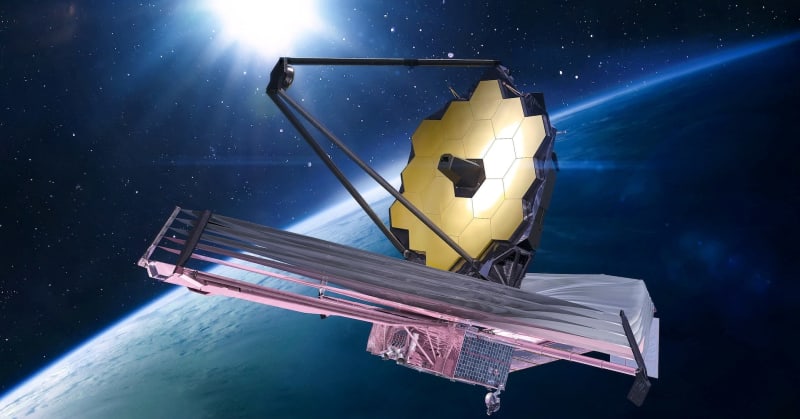
Scientists created the sharpest map ever of dark matter, the invisible substance that makes up 85% of everything in the universe. The breakthrough reveals how galaxies formed billions of years ago and confirms our best theories about how the cosmos works.
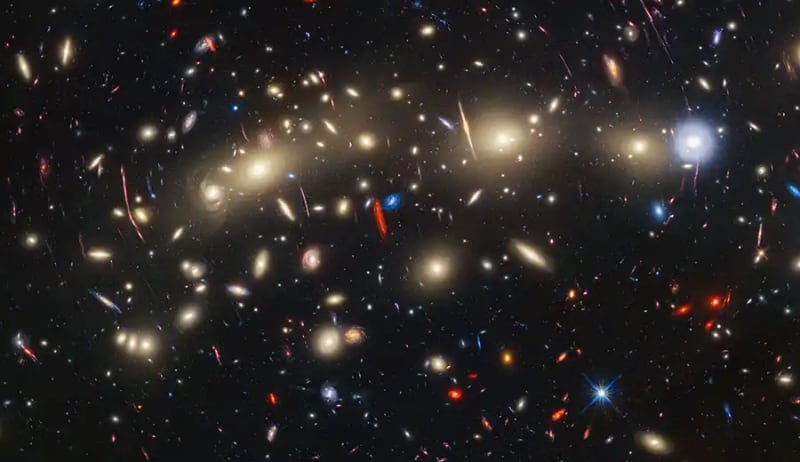
Scientists using the James Webb Space Telescope spotted a supernova whose light is taking multiple paths through space, with some images arriving now and others delayed by six decades. This cosmic phenomenon could finally help solve one of astronomy's biggest mysteries about how fast the universe is expanding.
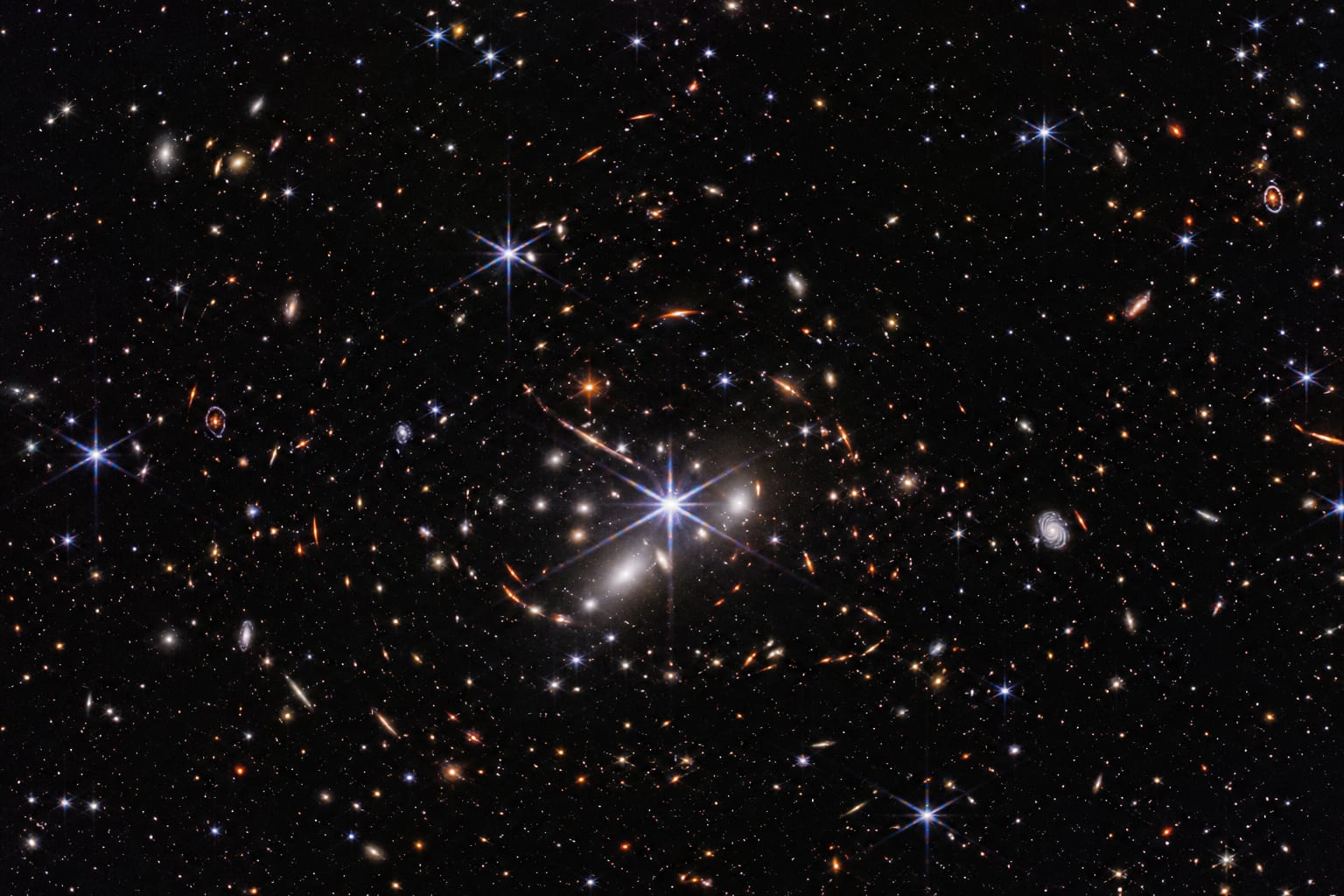
The James Webb Space Telescope is discovering fully formed galaxies just hundreds of millions of years after the Big Bang, forcing scientists to rethink how quickly the universe evolved. Instead of finding cosmic "villages," astronomers are spotting ancient "megacities" that challenge everything we thought we knew about the early universe.
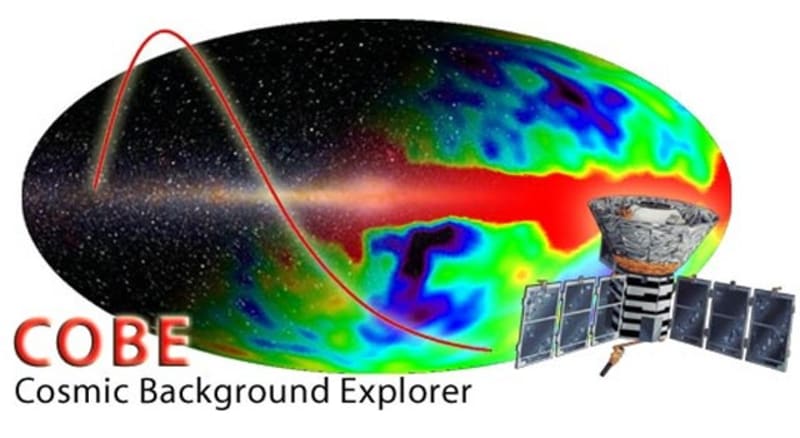
A telescope launched in 1989 proved how the universe began and revealed the cosmic seeds that made galaxies, stars, and us possible. The discovery was so groundbreaking it earned a Nobel Prize and launched the era of precision cosmology.

Theoretical physicist Chanda Prescod-Weinstein's new book proves that understanding the universe doesn't require intimidating equations. She weaves together pop culture, poetry, and cosmology to make the deepest questions in physics accessible to everyone.

What if the Big Bang wasn't the beginning of everything? Scientists now believe ancient black holes might be "cosmic fossils" from a universe that existed before ours.

Astronomers discovered remnants of a dwarf galaxy our Milky Way devoured 10 billion years ago, offering new clues about how our cosmic home grew from a smaller galaxy into the massive spiral we call home today.
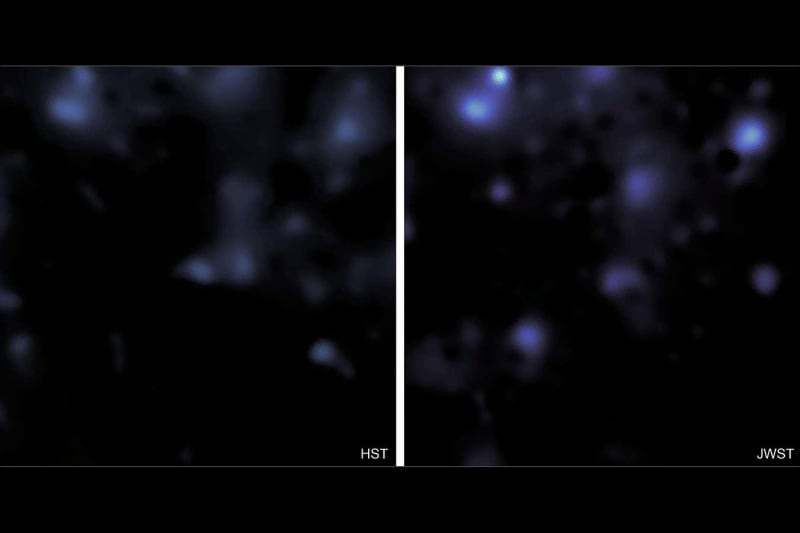
Scientists created the most detailed map of dark matter ever made, using 250,000 galaxies to reveal mysterious structures never seen before. This breakthrough could finally help us understand what makes up 85% of the universe's matter.
Showing 20 of 84