Ancient Galaxy Puzzles Scientists by Not Spinning
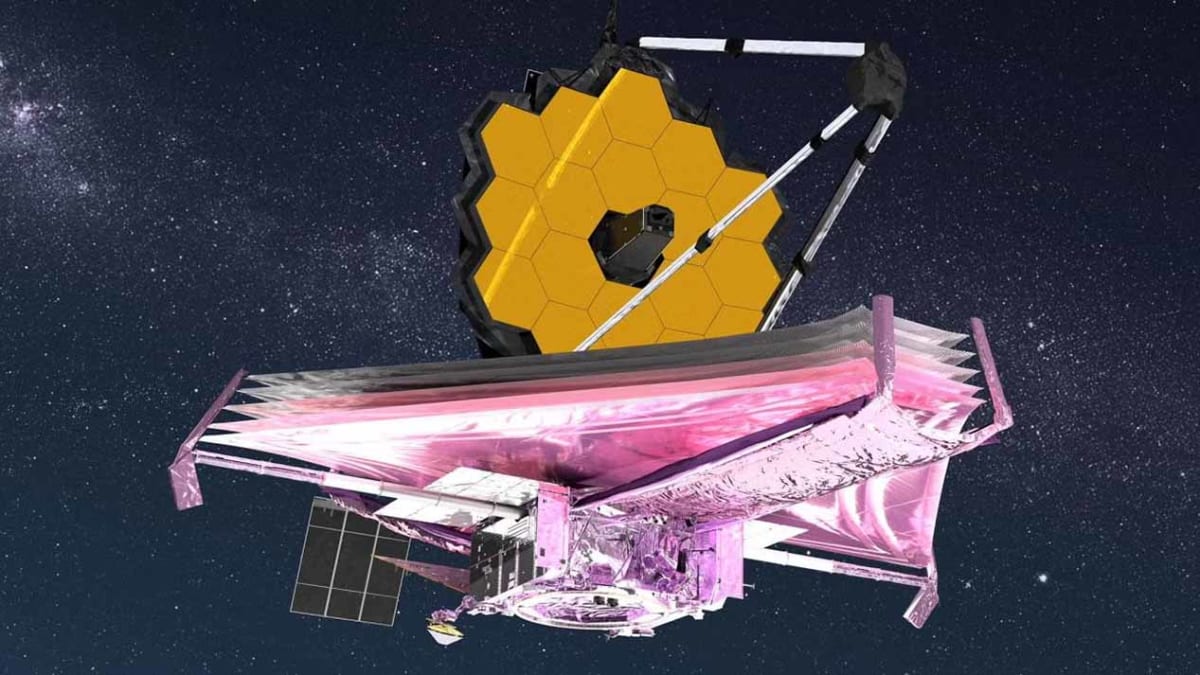
The James Webb Space Telescope discovered a 2-billion-year-old galaxy that isn't rotating, a behavior scientists only expect in much older galaxies. The finding challenges our understanding of how early galaxies formed and evolved.
Scientists just spotted something in deep space they never expected to see: a baby galaxy acting like a cosmic senior citizen.
The James Webb Space Telescope discovered galaxy XMM-VID1-2075, which is less than 2 billion years old but behaves like galaxies that are billions of years older. While most young galaxies spin as gas and gravity shape them into swirling discs, this one shows no rotation at all.
"This one in particular did not show any evidence of rotation, which was surprising and very interesting," said Ben Forrest, lead researcher at the University of California, Davis. His team had been studying this galaxy as part of the MAGAZ3NE survey, which focuses on massive ancient galaxies.
The galaxy already contains several times more stars than our 13.6-billion-year-old Milky Way, yet it stopped forming new stars long ago. That combination alone makes it remarkable, but the lack of spin adds another layer of mystery.
When the team compared XMM-VID1-2075 with two similarly aged galaxies, they found one rotating normally, one acting "messy," and XMM-VID1-2075 moving randomly without any spin. Nearby mature galaxies often lose their rotation after billions of years of collisions with other galaxies, but finding this behavior so early in cosmic history puzzles astronomers.
The team suspects two galaxies with nearly opposite rotations may have collided in a perfectly balanced merger. Evidence supporting this idea includes an excess of light visible off to the side, suggesting another object recently interacted with the system and changed its movement.
Why This Inspires
This discovery shows how much we still have to learn about our universe. The James Webb Space Telescope is opening windows into cosmic history that were impossible to see just a few years ago, revealing that the early universe was far more diverse and complex than scientists imagined.
The findings also demonstrate how new technology keeps pushing the boundaries of human knowledge. Studies like this one were nearly impossible with ground-based telescopes because distant galaxies appear so small in the sky.
Forrest and his team plan to search for more non-rotating early galaxies to test current theories about galaxy formation. Computer simulations predict these unusual galaxies should be rare, so finding even a few more will help scientists understand whether their models accurately describe how the universe evolved.
Every discovery like this one brings us closer to understanding our cosmic origins and the forces that shaped everything we see today.
Based on reporting by Google: James Webb telescope
This story was written by BrightWire based on verified news reports.
Spread the positivity!
Share this good news with someone who needs it