James Webb Finds Universe's Most Primitive Galaxy
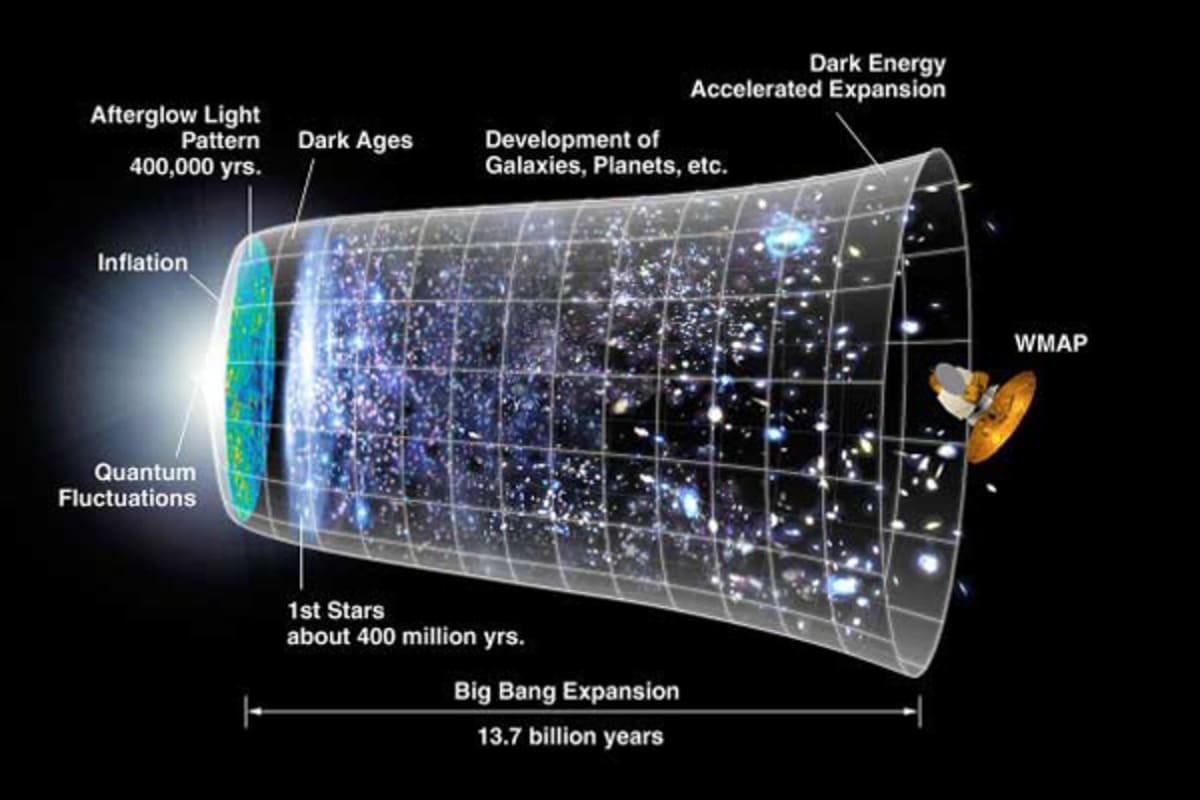
Scientists have discovered a galaxy frozen in time from just 800 million years after the Big Bang, revealing what the universe looked like before stars created the building blocks of life. This ancient galaxy contains almost no heavy elements, making it the most chemically primitive ever observed.
Scientists just spotted a cosmic time capsule that's rewriting our understanding of how galaxies formed in the infant universe.
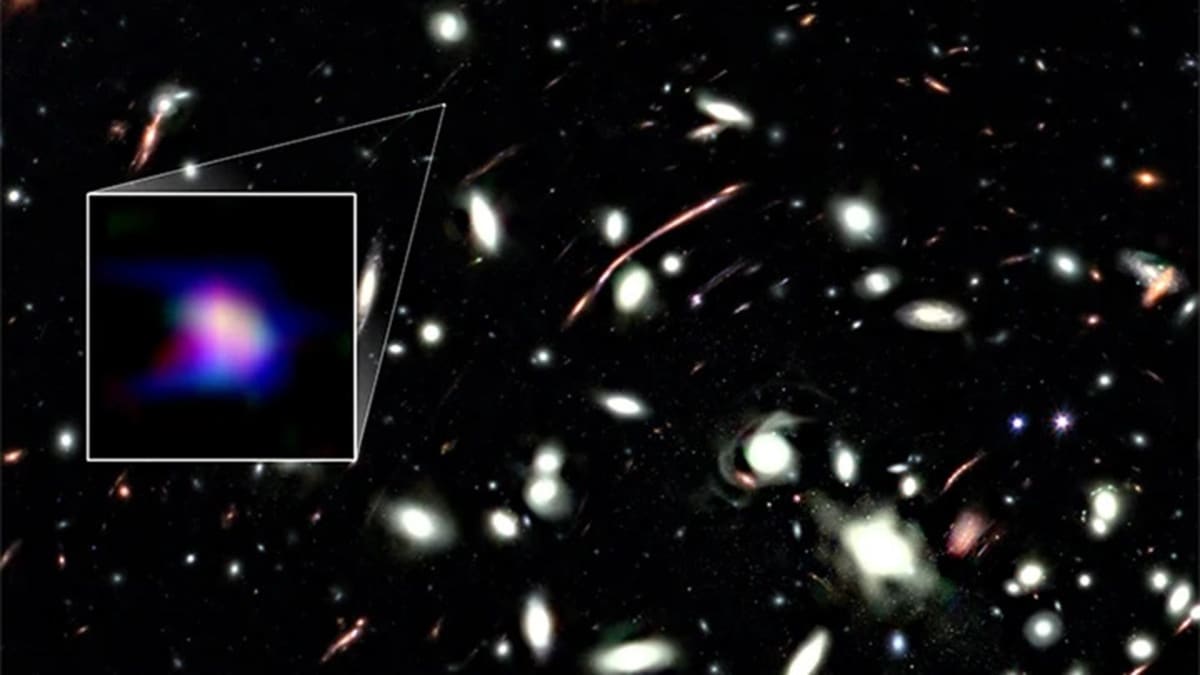
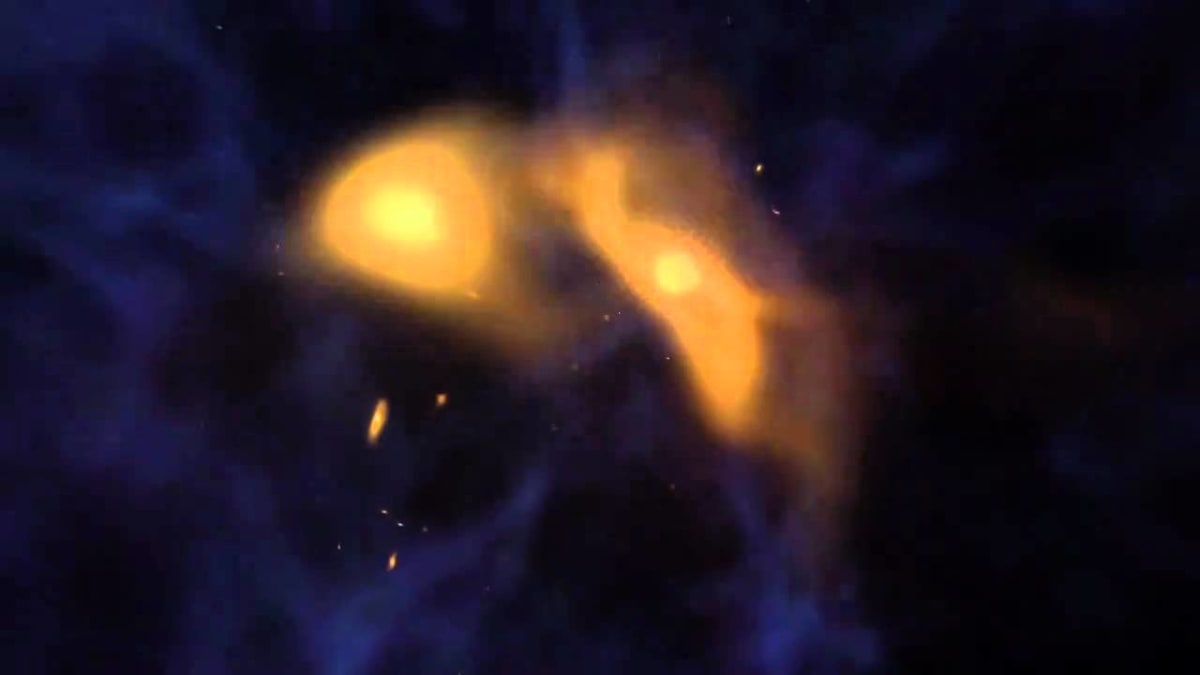
Using the James Webb Space Telescope, an international team led by Associate Professor Kimihiko Nakajima from Kanazawa University discovered LAP1-B, an ultra-faint galaxy that existed just 800 million years after the Big Bang. What makes this discovery groundbreaking is that LAP1-B contains almost no heavy elements, with oxygen levels just 1/240th of what we find in our sun.
This chemical signature tells an incredible story. Right after the Big Bang, the universe only had hydrogen and helium. All the elements that make life possible, like carbon and oxygen, didn't exist yet.
The first generation of stars, called Population III stars, created these heavier elements in their cores. When these ancient stars exploded as supernovas, they scattered these life-building elements across space. LAP1-B appears to have been caught in that exact moment, making it a snapshot of the universe taking its first steps toward creating the chemistry needed for planets and life.
Finding this galaxy wasn't easy. LAP1-B is so small and faint that scientists needed help from nature itself. A massive galaxy cluster acted as a gravitational lens, magnifying LAP1-B's light by 100 times. Even then, the team needed 30 hours of observations to gather enough data.
"I was instantly thrilled by the extreme lack of oxygen revealed in the data," Nakajima said. "Finding a galaxy in such a primitive state is astonishing."
The discovery solves another cosmic mystery. Near our Milky Way, astronomers have found Ultra-Faint Dwarf galaxies containing stars over 12 billion years old. These "fossil galaxies" puzzled scientists because they lacked heavy elements, suggesting they were ancient. But no one had ever found their ancestors, until now.
LAP1-B looks exactly like what scientists predicted these fossil galaxies looked like in their youth. The team found that LAP1-B is incredibly lightweight, with most of its mass coming from dark matter rather than stars. This matches perfectly with the fossil galaxies we see today.
"It is a profound surprise to find that LAP1-B looks exactly like the 'ancestor' we had only imagined in theories," said Professor Masami Ouchi from the National Astronomical Observatory of Japan.
Why This Inspires
This discovery represents more than just finding an old galaxy. It's giving scientists a direct window into the universe's childhood, showing us the exact conditions that eventually led to everything we see today.
Before the James Webb Space Telescope, studying these ancient, faint galaxies was nearly impossible. "Usually, we act like 'cosmic archaeologists,' trying to guess the past by looking at old stars in our own neighborhood," Nakajima explained. "But now, we can analyze the gas directly from the original scene 13 billion years ago."
The team isn't stopping here. They're now searching for even more chemically primitive galaxies, hoping to map exactly when and where the universe's first heavy elements appeared. Each discovery brings us closer to understanding our cosmic origins and the chain of events that made our existence possible.
This window into the past reminds us that we're all made of stardust, literally composed of elements forged in ancient stars that lived and died billions of years before Earth existed.
More Images

Based on reporting by Google: James Webb telescope
This story was written by BrightWire based on verified news reports.
Spread the positivity!
Share this good news with someone who needs it