Webb Telescope Finds Hidden Stars in Early Galaxies
The James Webb Space Telescope just revealed that the universe's first galaxies are packed with way more stars than scientists thought. These hidden smaller stars mean early galaxies could be up to four times more massive than previous estimates.
Scientists just discovered that the universe's earliest galaxies have been hiding a secret population of stars we couldn't see until now.
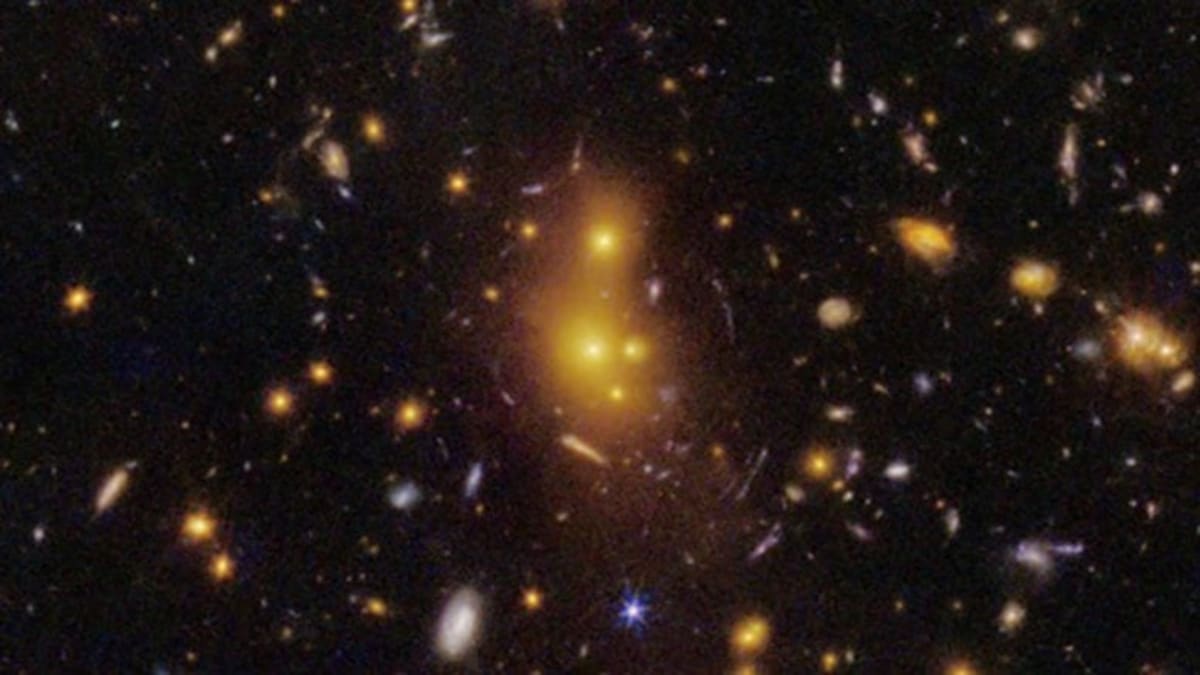
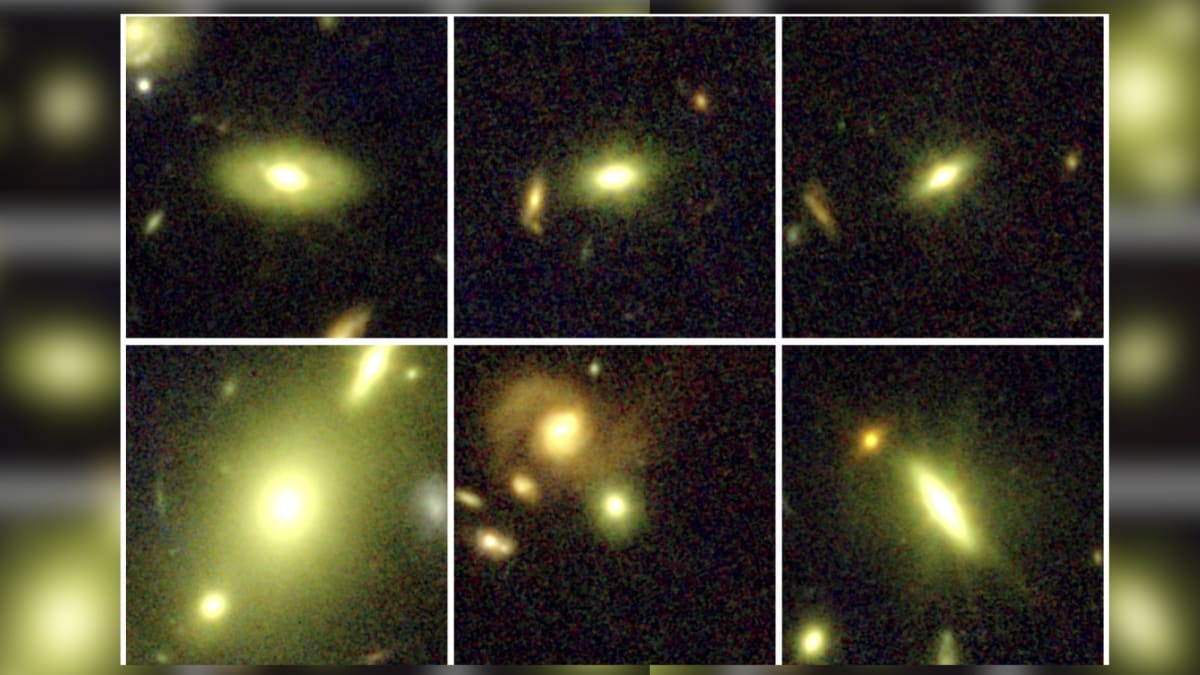
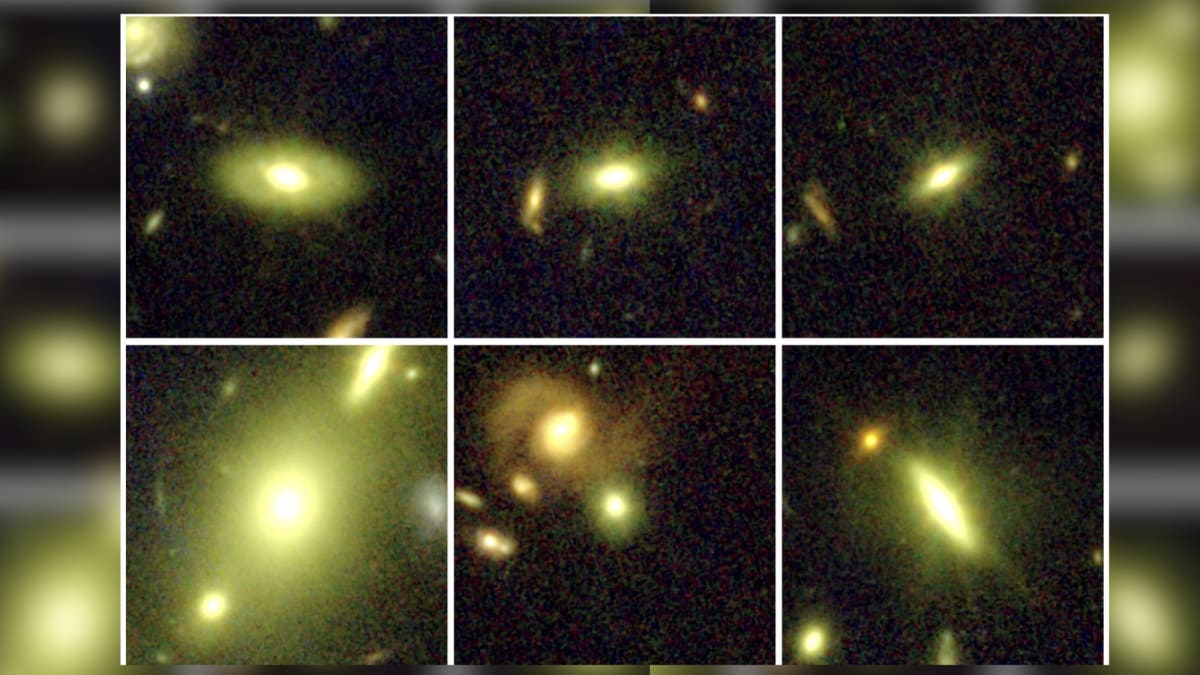
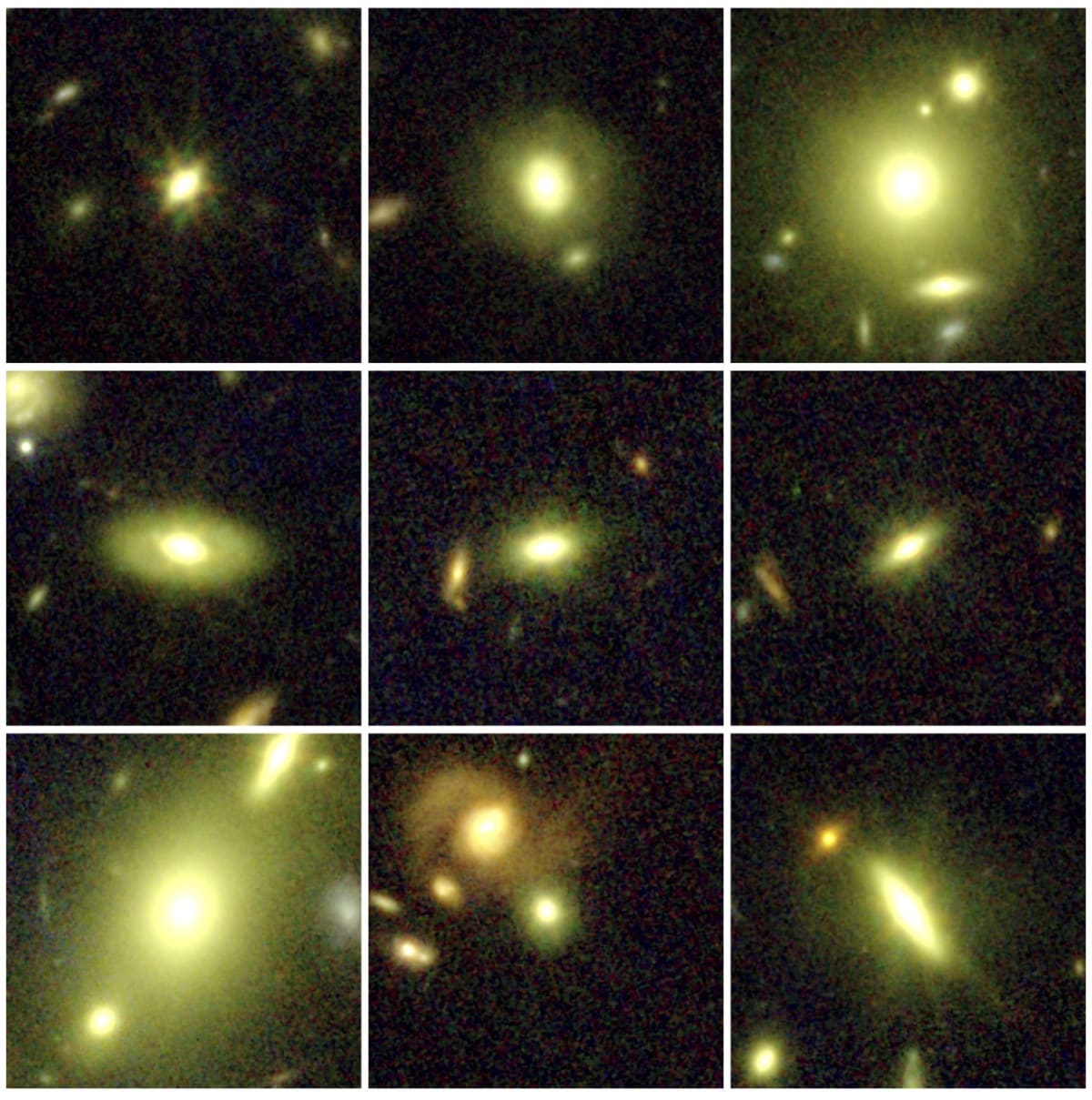
The James Webb Space Telescope peered into nine ancient galaxies and found something surprising. Between the brightest, most massive stars, countless smaller, fainter stars have been hiding in plain sight, like discovering small buildings between skyscrapers in a distant city.
Researchers from Leiden University combined observations from the Webb telescope and the Very Large Telescope to measure these hidden stars for the first time. What they found changes everything we thought we knew about galaxy formation.
These early galaxies contain far more small stars than modern galaxies like our Milky Way. One galaxy that formed less than 1.5 billion years after the Big Bang turned out to be four times more massive than scientists originally calculated.
"This means that the galaxy as a whole is much more massive than previous estimates suggested," said team member Chloe Cheng. Until now, the brightest stars completely drowned out their smaller neighbors in telescope observations.
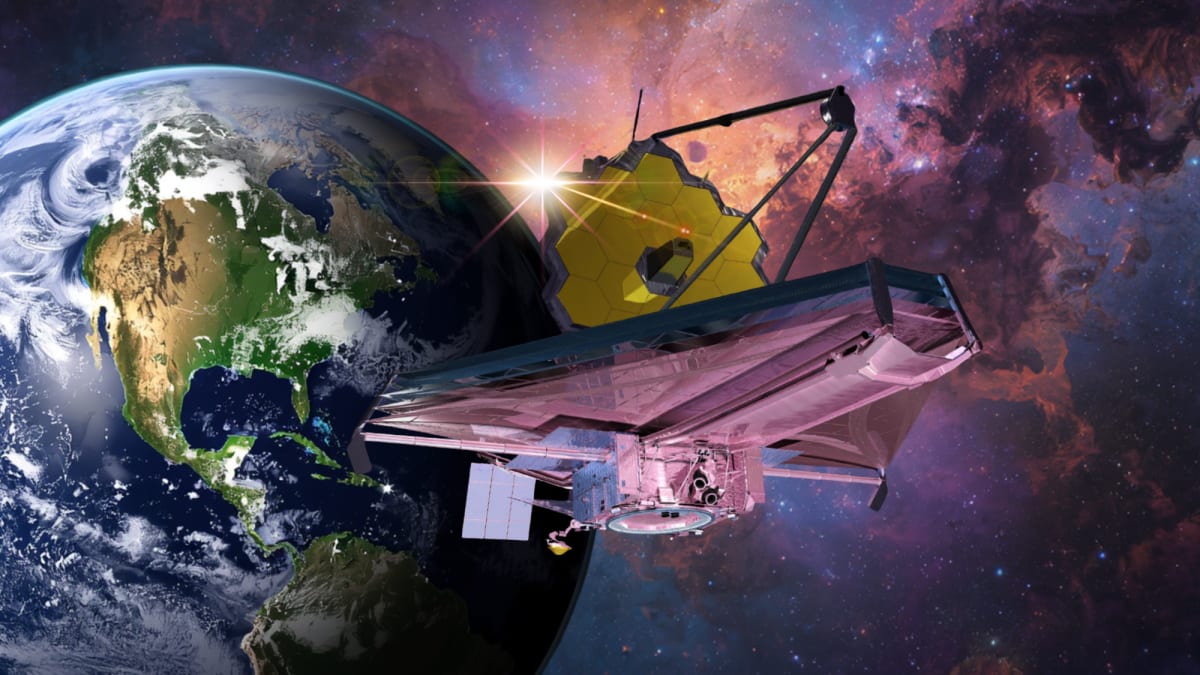
The discovery was only possible because of Webb's incredible sensitivity. The telescope collects enough light to reveal these faint stars, and new analysis techniques help scientists distinguish their subtle features from the glare of bigger stars.
Why This Inspires
This breakthrough shows how much we still have to learn about our universe. Scientists had always assumed stars of different sizes were born in the same proportions throughout cosmic history, but these early galaxies tell a different story.
The findings could reshape our understanding of how galaxies formed and evolved. Since many planets orbit small stars, this discovery might mean far more planets existed in the early universe than anyone imagined.
The research team plans to study more ancient galaxies using this method, continuing to reveal secrets hidden in the universe's first cosmic cities. Every new discovery reminds us that even the things we think we understand still hold wonderful surprises.
More Images

Based on reporting by Space.com
This story was written by BrightWire based on verified news reports.
Spread the positivity!
Share this good news with someone who needs it