James Webb Telescope Solves Mystery of Red Dots in Space
Scientists using the James Webb Space Telescope may have finally cracked the puzzle behind strange red dots spotted across the universe. The discovery could reshape our understanding of how galaxies and black holes formed in the early cosmos.
Astronomers have been scratching their heads over mysterious little red dots scattered throughout deep space images captured by the James Webb Space Telescope. Now, breakthrough observations might finally explain what these cosmic puzzles actually are.
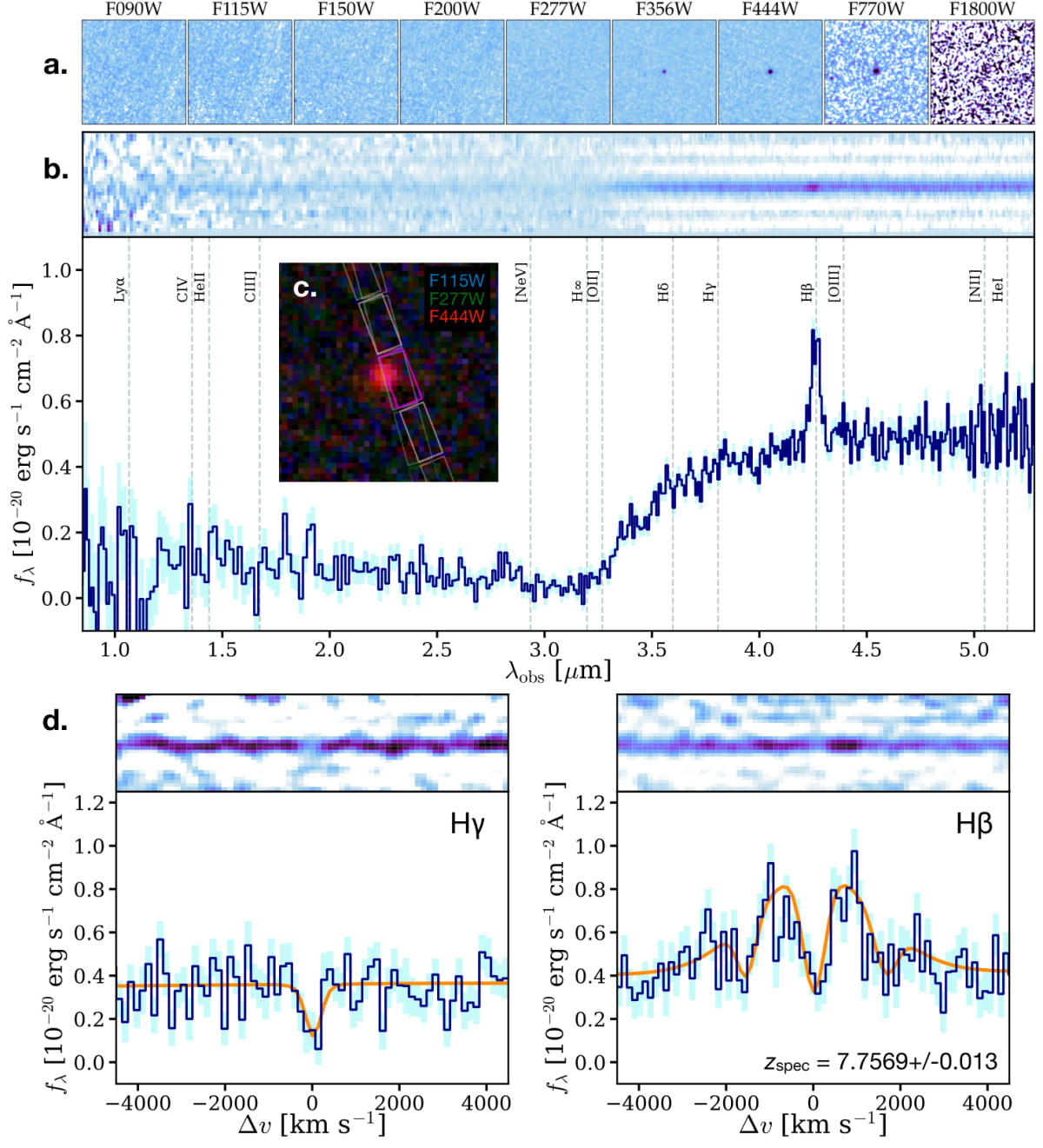
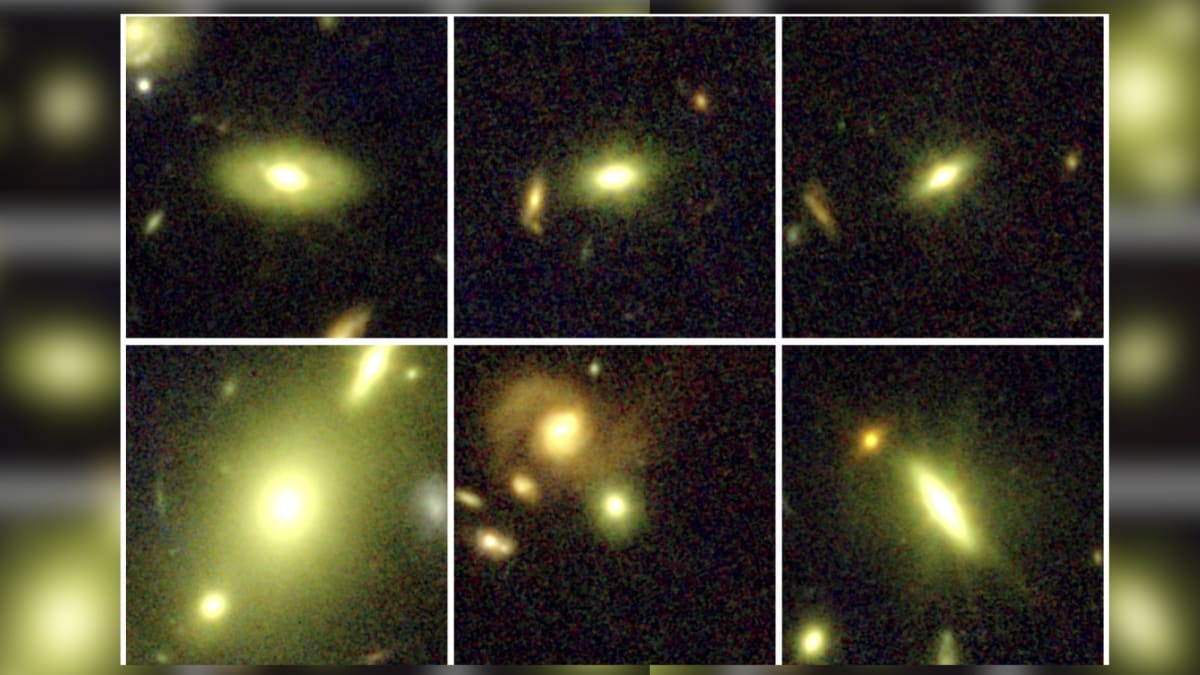
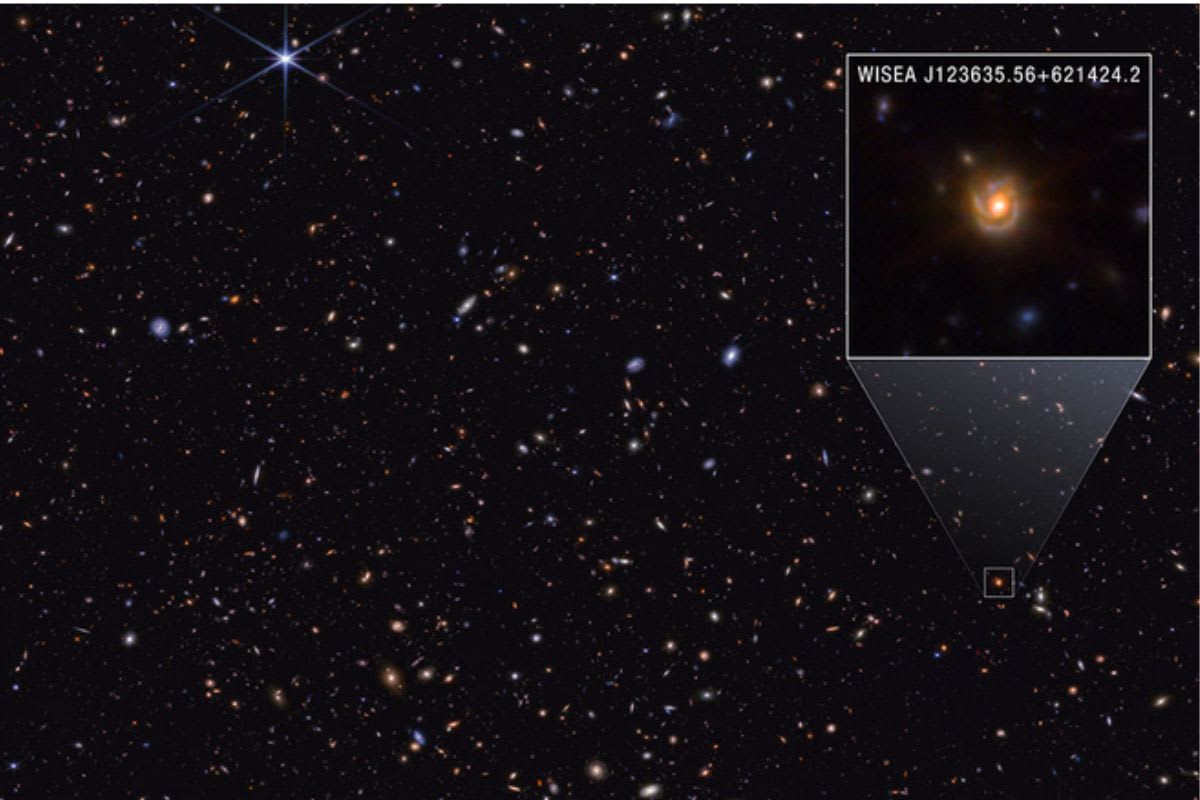
The red dots first appeared when James Webb began peering into the earliest epochs of our universe, billions of years back in time. They were too small to be normal galaxies but glowed with unusual brightness and deep crimson colors that didn't match anything scientists expected to find.
Researchers proposed multiple theories to explain the phenomenon. Some suggested the dots were supermassive black holes gorging on surrounding matter, while others thought they might represent a completely new type of galaxy we'd never seen before.
The latest findings point toward an exciting answer. These red dots appear to be compact galaxies hosting actively feeding black holes at their centers, all crammed into surprisingly tiny cosmic spaces.
What makes this discovery remarkable is the timing. These objects existed when the universe was just a fraction of its current age, suggesting that black holes and galaxies grew together much faster and earlier than previous models predicted.
The James Webb telescope's infrared vision makes it uniquely capable of spotting these objects. Their red appearance comes from extreme distances stretching their light toward redder wavelengths as the universe expands, combined with dust surrounding the active black holes.
Why This Inspires
This discovery reminds us that even our most powerful tools can still surprise us with the unexpected. Just two years after launch, James Webb continues revealing cosmic secrets that challenge everything we thought we knew about the universe's infancy.
Scientists can now use these findings to refine models of galaxy evolution and black hole formation. Each mystery solved opens new questions about how the universe transformed from simple elements after the Big Bang into the rich cosmic tapestry we observe today.
The work represents collaboration across international research teams analyzing Webb's data. Their persistence in explaining these puzzling red specks demonstrates how curiosity and advanced technology combine to push the boundaries of human knowledge.
Understanding our cosmic origins helps us appreciate our place in this vast universe and inspires the next generation of astronomers to keep looking up.
More Images




Based on reporting by Google: James Webb telescope
This story was written by BrightWire based on verified news reports.
Spread the positivity!
Share this good news with someone who needs it