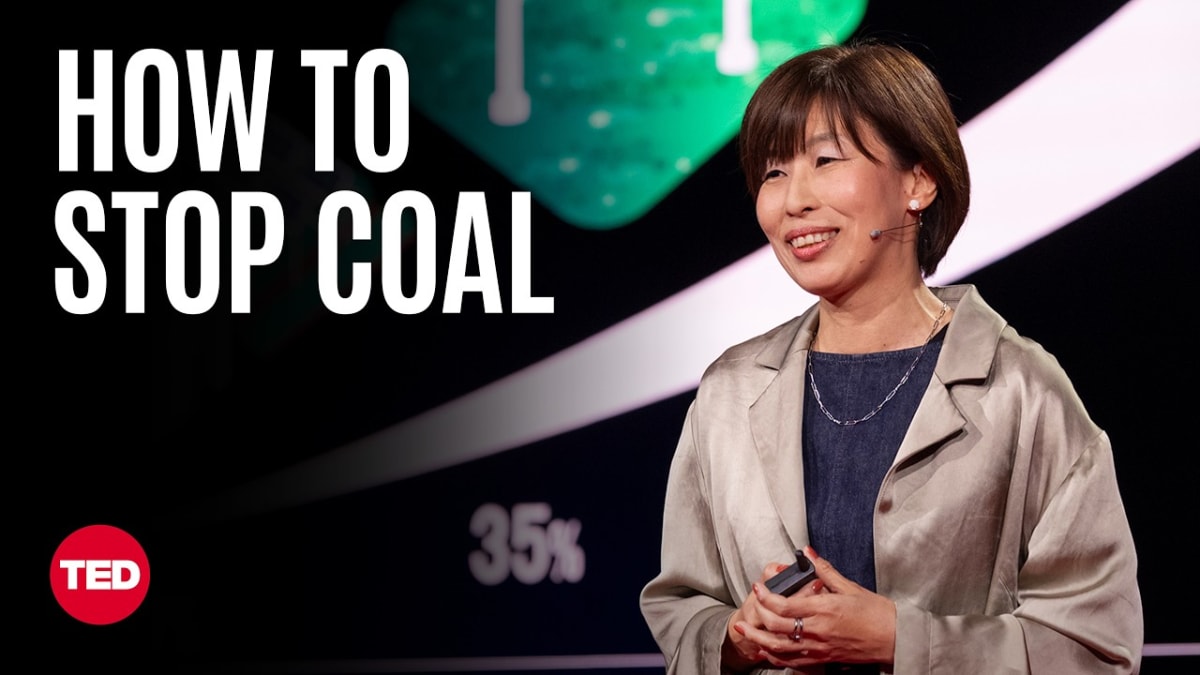
Japan Activists Block 90% of Coal Plants After Fukushima
After Japan's nuclear shutdown sparked a coal rush, climate advocate Kimiko Hirata and a small grassroots team stopped dozens of new power plants from being built. Their scrappy movement transformed a fossil-fuel-dependent nation toward renewable energy.
When the Fukushima disaster shut down Japan's nuclear reactors in 2011, the coal industry saw opportunity where others saw crisis.
Dozens of new coal plant proposals quietly surfaced across Japan, each one designed to lock in decades of future emissions. Climate advocate Kimiko Hirata watched this unfold with growing alarm. Every plant meant 40 more years of carbon pollution at a time when the world desperately needed less, not more.
So she and a small civil society movement decided to make these proposals impossible to ignore. They didn't have big budgets or political power, just determination and a clear strategy.
The team researched every proposed coal plant in Japan and created what Hirata calls a "cheat sheet" tracking each project's status, investors, and vulnerabilities. They shared this information widely, turning invisible proposals into public knowledge.
Then they got to work. The activists attended local meetings, educated communities about health impacts, and pressured financial institutions to reconsider their investments in coal. They connected local residents fighting individual plants into a national network of resistance.
Plant by plant, the momentum shifted. Communities that might have accepted coal as inevitable started demanding renewable alternatives instead. Banks that routinely funded fossil fuel projects began walking away.
The Ripple Effect
The results speak louder than any protest ever could. Of the dozens of coal plants proposed after Fukushima, over 90 percent have been canceled or blocked.
Japan, once racing toward a coal-dependent future, reversed course. The country that seemed locked into fossil fuels for generations started seriously investing in wind, solar, and other clean energy sources.
Hirata's movement proved something crucial: a handful of committed people really can shift the direction of an entire nation's energy policy. They didn't need permission from politicians or approval from industry leaders. They just needed information, organization, and the courage to say no to a dirty energy future.
The activists showed that saying no to coal means saying yes to something better. Communities didn't just reject pollution, they demanded the renewable alternatives that were possible all along.
Based on reporting by TED
This story was written by BrightWire based on verified news reports.
Spread the positivity!
Share this good news with someone who needs it


