Japan and India Rethink Tourism to Protect Communities
Cities across Asia are redefining tourism success beyond visitor numbers to protect their communities and cultures. The shift puts residents first after record crowds strained neighborhoods and local infrastructure.
When foreign tourists began outnumbering local residents in Kyoto's ancient streets, something had to change.
Japan welcomed 42.7 million international visitors in 2025, with Kyoto alone hosting 8.21 million foreign guests in 2024. For the first time in the city's history, tourists outnumbered Japanese visitors. Meanwhile, India recorded 2.9 billion domestic tourist visits and 20.57 million foreign arrivals in 2024.
These numbers look impressive on paper. But tourism officials in both countries are asking a harder question: success for whom?
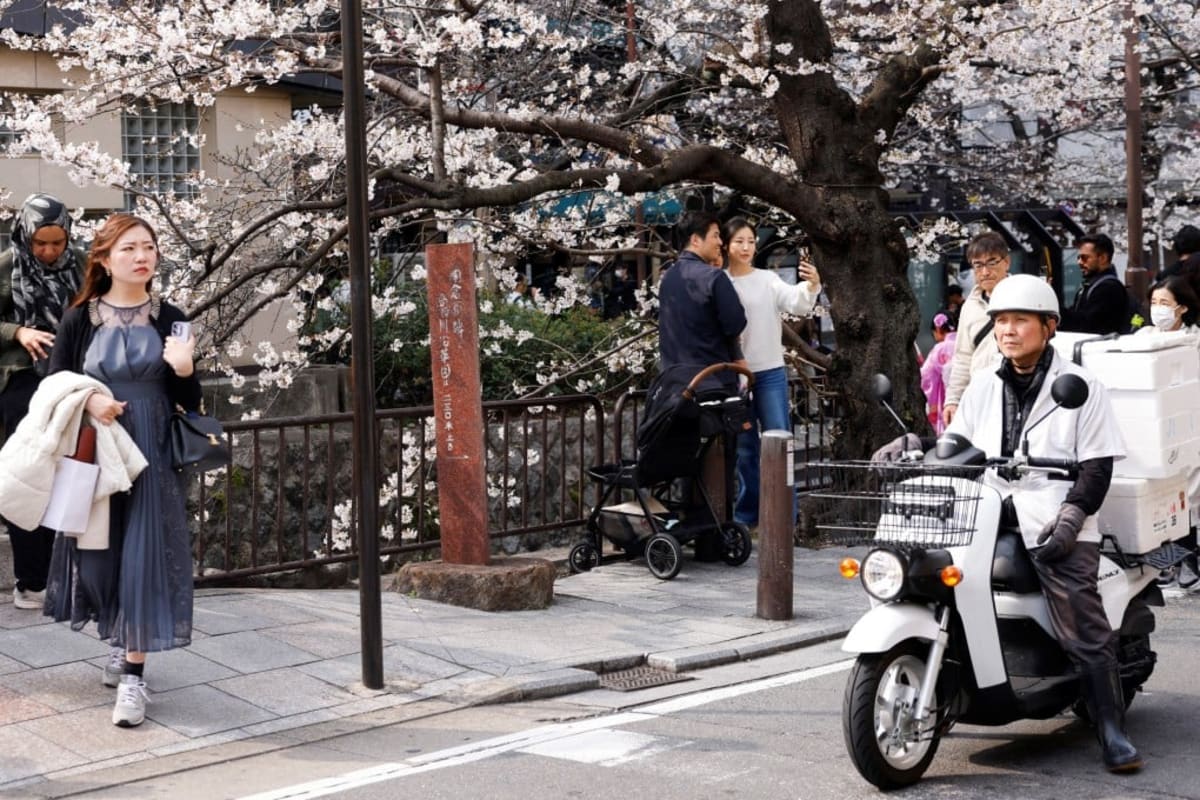
In Kyoto, narrow residential streets built during the Edo period now function as photo corridors for social media posts. Quiet neighborhoods where families have lived for generations have transformed into bustling tourist backdrops. Local residents increasingly express frustration as their daily lives get interrupted by constant crowds.
The impact goes beyond annoyed neighbors. Water systems strain under pressure. Transport networks overflow. Cultural traditions risk becoming shallow performances staged only for profit, losing their original meaning and depth.
The Bright Side
Both nations are now pioneering a different approach. Tourism leaders are developing new metrics that measure community wellbeing alongside visitor numbers. The goal is protecting the people who actually live in these destinations, not just maximizing arrivals and revenue.
This means evaluating whether local workers benefit from tourism dollars. It means tracking resident satisfaction alongside hotel occupancy rates. It means preserving living cultural ecosystems instead of creating outdoor museums.
The approach recognizes a simple truth: destinations die when communities feel excluded from their own neighborhoods. A city where locals avoid their own streets because of tourist crowds isn't thriving.
India's domestic tourism surge of 17.51 percent shows that homegrown travel matters too. Supporting local visitors helps distribute tourism benefits more evenly while reducing pressure on international hotspots.
Japan is testing solutions like visitor caps and reservation systems for popular sites. India is investing in infrastructure improvements that serve both residents and tourists. Both countries are asking tourism boards to consider environmental impact and community voices in their success reports.
Why This Inspires
The movement reflects growing wisdom about sustainable growth. Numbers matter, but people matter more.
When tourism officials in Asia's biggest economies say residents come first, they're modeling a framework the entire industry needs. They're proving that protecting local communities and welcoming visitors aren't opposing goals.
Kyoto's streets can honor both their heritage and their guests when balance guides the way.
More Images



Based on reporting by South China Morning Post
This story was written by BrightWire based on verified news reports.
Spread the positivity!
Share this good news with someone who needs it