Japan and South Korea Move Toward Fukushima Seafood Talks
After 13 years of import restrictions, Japan and South Korea are exploring regular talks that could restore trade in seafood from the Fukushima region. The move signals growing confidence in scientific safety measures following the 2011 nuclear accident.
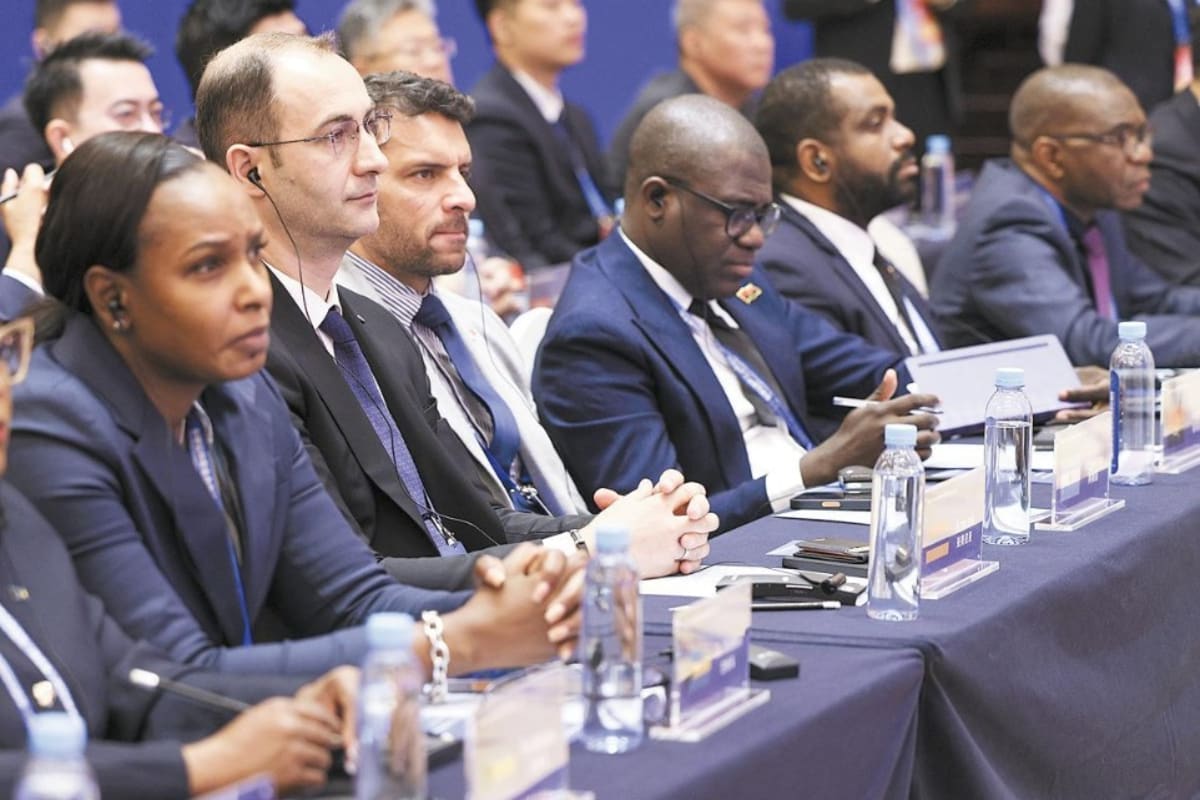
Japan and South Korea are taking steps toward restoring trust in seafood safety more than a decade after the Fukushima nuclear disaster. Officials from both nations are discussing the creation of a regular dialogue channel focused on lifting import restrictions that have blocked Japanese seafood since 2011.
The proposed talks would bring together Japan's Ministry of Agriculture, Forestry and Fisheries with South Korea's Ministry of Food and Drug Safety. Their goal is to share scientific findings on radioactive substances and review the safety controls Japan has implemented over the past 13 years.
South Korea stopped importing seafood from eight Japanese prefectures in September 2013, two years after a magnitude 9.0 earthquake and tsunami triggered the Fukushima Daiichi nuclear plant accident. The ban affects Aomori, Iwate, Miyagi, Fukushima, Ibaraki, Tochigi, Gunma, and Chiba prefectures.
Eight additional prefectures, including Hokkaido, Tokyo, and Kanagawa, still require special inspection certificates for radioactive substances. These restrictions have deeply impacted Japanese fishing communities trying to rebuild after the disaster.
Japan has consistently urged countries to base their import policies on scientific evidence rather than fear. The country began releasing treated water from the Fukushima plant into the Pacific Ocean in August 2023, following rigorous safety protocols and international oversight.
The Ripple Effect
If successful, these talks could set a positive precedent for other nations still maintaining restrictions on Japanese seafood. China remains among the countries with import bans in place, making South Korea's potential policy shift particularly significant.
The timing connects to South Korea's interest in joining the Comprehensive and Progressive Agreement for Trans-Pacific Partnership, a major free trade agreement. Since joining requires unanimous consent from all member countries, including Japan, the seafood discussions may open doors for broader economic cooperation.
While South Korean officials remain cautious about public opinion on the issue, the willingness to even begin conversations shows how far scientific understanding and safety protocols have come. Building public confidence will take time, but opening dialogue is the essential first step.
This diplomatic progress represents hope for communities on both sides who have waited years for evidence-based policies to replace fear-driven restrictions.
Based on reporting by Japan Today
This story was written by BrightWire based on verified news reports.
Spread the positivity!
Share this good news with someone who needs it