Japan Approves Insurance for Lab-Grown Heart Cell Treatment
Patients with severe heart failure in Japan can now access a revolutionary treatment that uses lab-grown heart cells to repair damaged hearts. The breakthrough therapy is only the second stem cell product covered by public insurance in the country.
Patients with failing hearts in Japan just gained access to a treatment that seemed impossible a decade ago.
Starting September 1st, Japan's public health insurance will cover RiHeart, a revolutionary therapy that uses lab-grown heart cells to repair damaged hearts. This marks only the second time the country has approved insurance coverage for a stem cell treatment.
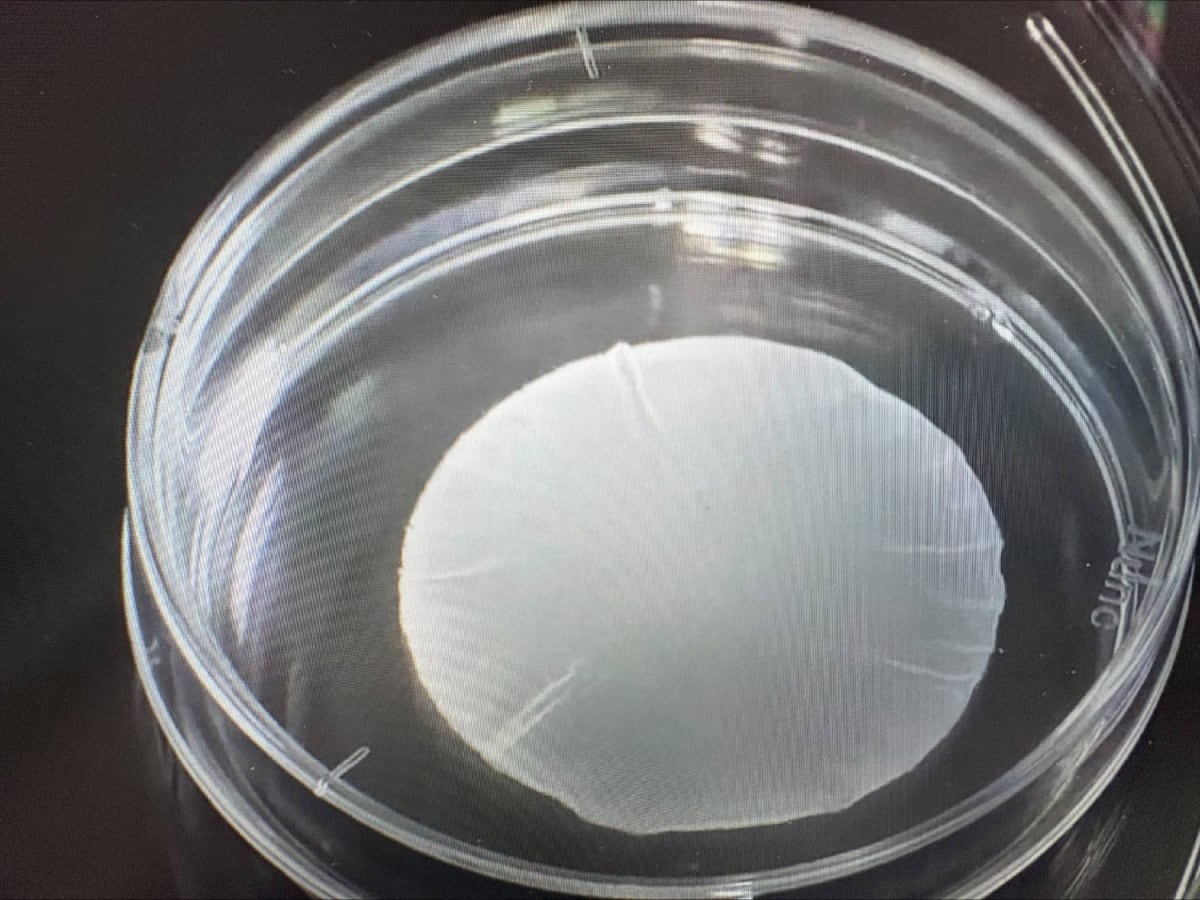
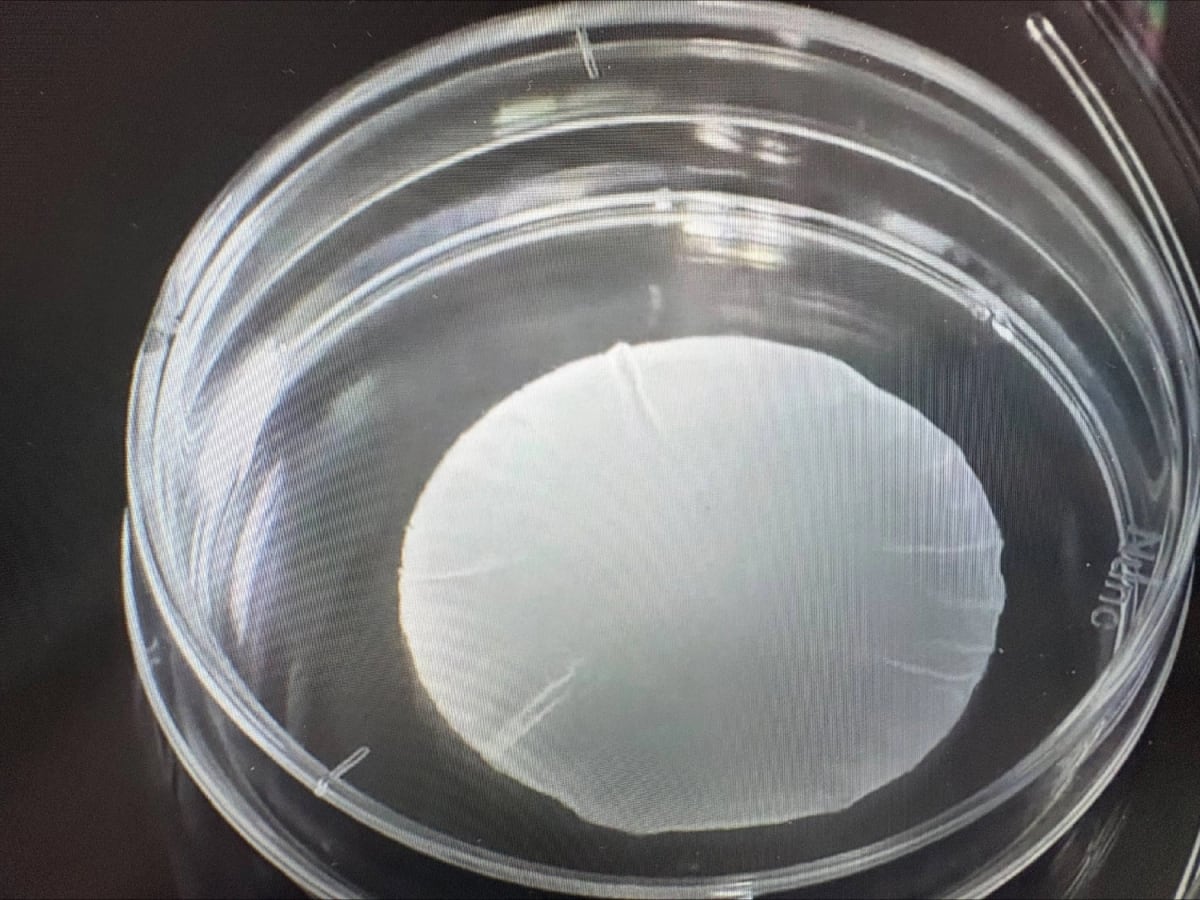
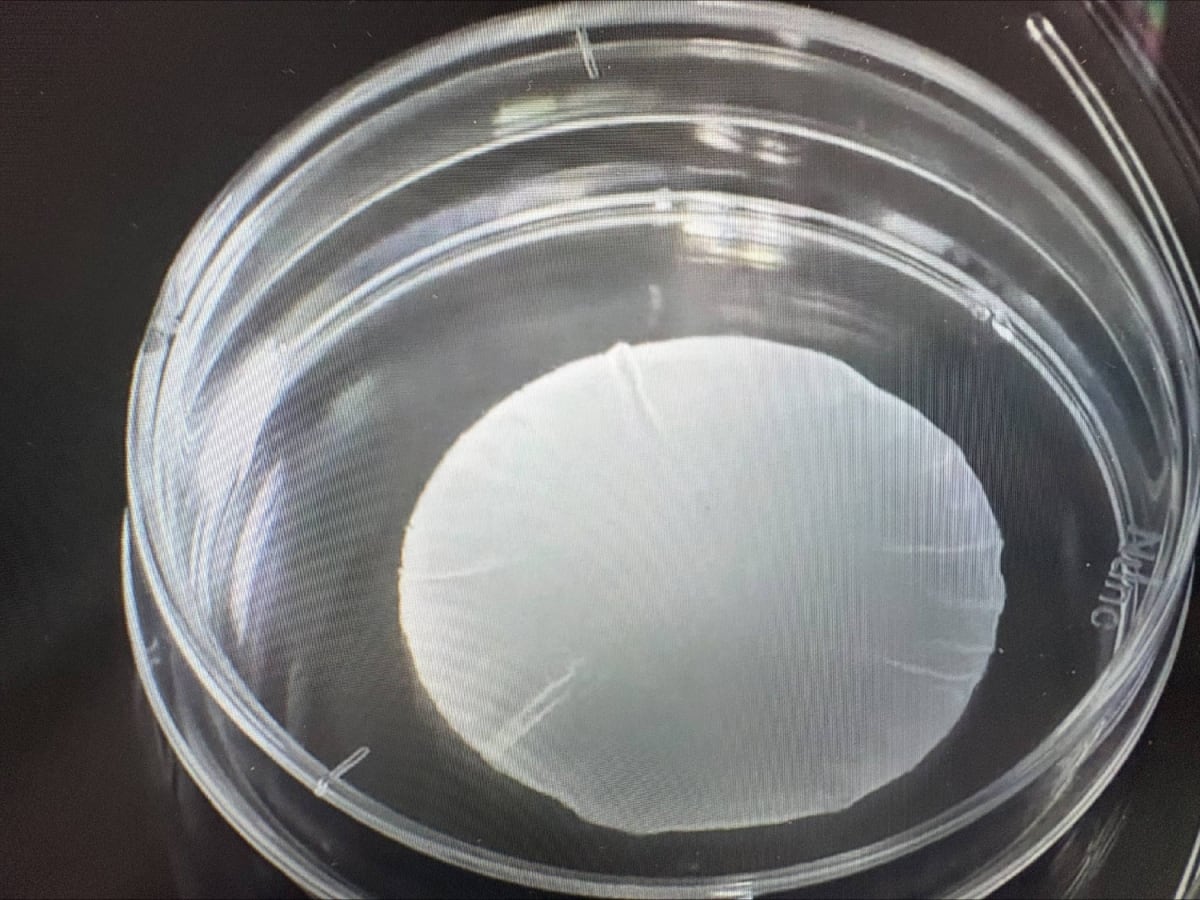
Here's how it works. Scientists take blood or skin cells from donors and transform them into induced pluripotent stem (iPS) cells, which can grow into almost any type of cell in the body. These cells are then converted into heart muscle cells and processed into thin sheets.
Doctors place these sheets directly onto the hearts of patients with severe heart failure. The new cells help restore heart function, offering hope to people who previously had limited treatment options.
Cuorips, a startup launched from the University of Osaka, developed the treatment. The company plans to make RiHeart available to patients this fall.
The official price sits at $326,400, but patients won't shoulder that burden alone. Japan's high-cost medical care system caps out-of-pocket expenses, making the treatment accessible to people who need it most.
RiHeart joins another groundbreaking therapy in Japan's insurance coverage. In May, the country approved coverage for Amchepry, a treatment for Parkinson's disease that also uses iPS cells. Together, they represent the world's first iPS cell treatments available to patients.
The Japanese health ministry granted both products conditional approval in March. Over the next seven years, doctors will collect additional data on how well the treatments work. The ministry will then decide whether to grant full approval.
The Ripple Effect
This insurance approval signals a major shift in how healthcare systems view regenerative medicine. For years, these cutting-edge therapies remained out of reach for most patients due to astronomical costs.
Japan's decision to cover these treatments through public insurance shows that governments recognize stem cell therapy as legitimate medicine, not experimental science. Other countries watching Japan's progress may follow suit, potentially opening access to millions of patients worldwide.
The approval also validates years of research into iPS cells. Since their discovery by Japanese scientist Shinya Yamaguchi in 2006, these cells have promised to revolutionize medicine. Now that promise is becoming reality for patients with conditions once considered untreatable.
For heart failure patients in Japan, this approval transforms hope into action.
More Images

Based on reporting by Japan Times
This story was written by BrightWire based on verified news reports.
Spread the positivity!
Share this good news with someone who needs it