Duke's Injectable Gel Helps Stroke Brains Heal in Mice
Scientists at Duke University created an injectable gel that helped stroke-damaged mouse brains regrow blood vessels and restore movement. The treatment works by recruiting the body's own immune cells to rebuild lost tissue.
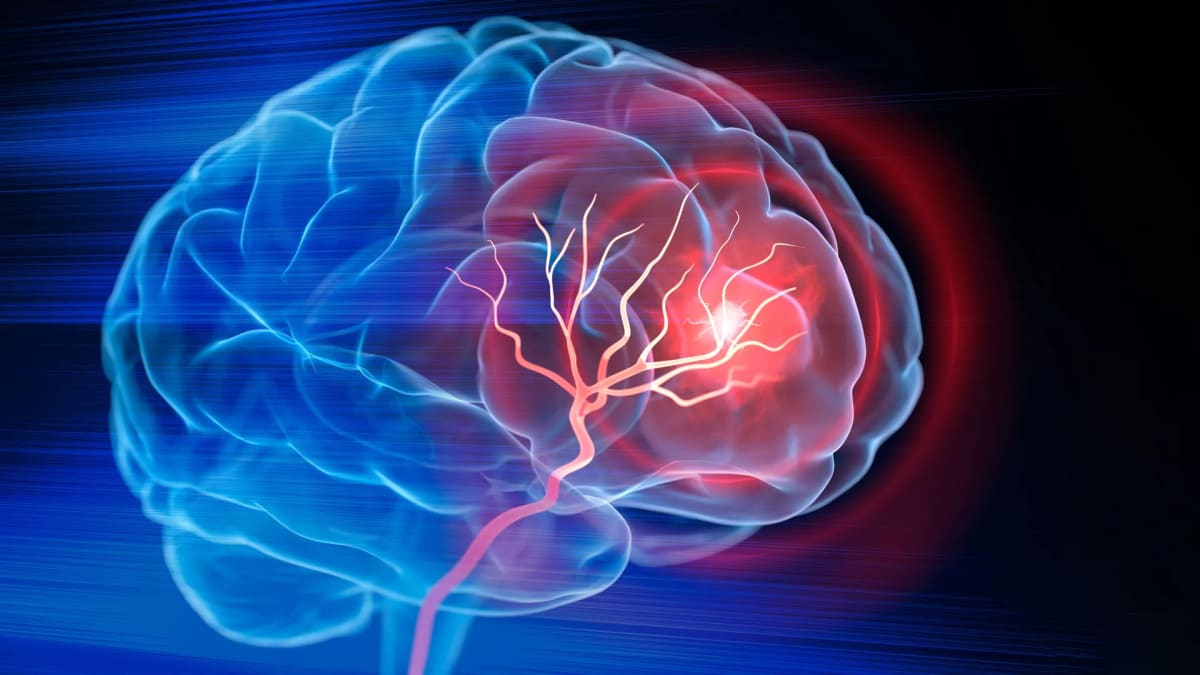
An injectable gel is helping stroke-damaged brains heal themselves, turning empty cavities left by dead tissue into spaces where new blood vessels and nerve fibers can grow.
Biomedical engineers at Duke University tested the treatment in mice that experienced ischemic strokes, the kind caused by blood clots blocking circulation to the brain. After emergency treatments remove the clot, severe strokes still leave behind cavities where healthy brain tissue once existed. Until now, rehabilitation was the only option for recovery.
The Duke team used a different approach. They injected tiny hydrogel particles that assembled into a porous scaffold inside the stroke cavity. The scaffold came loaded with chemical signals collected from astrocytes, star-shaped brain cells that respond quickly to injury.
These signals did something remarkable. They recruited the body's own immune cells, including neutrophils that usually cause inflammation during early stroke stages. When these cells arrived later and encountered the right signals, they switched roles and helped repair tissue instead of damaging it.
Professor Tatiana Segura, who led the research, designed the scaffold to keep repair signals concentrated where they were needed most. The approach worked better than simply injecting the signals alone. Immune cells entered the treated area, new blood vessels formed throughout the cavity, and axons, the structures brain cells use to transmit signals, began growing back.
The biological changes showed up in how the mice moved. Animals treated with the optimized scaffold performed better on tests measuring forelimb coordination. By eight weeks, their performance matched healthy mice and the improvement lasted for the remainder of the study.
The Bright Side
This research challenges old assumptions about immune cells after stroke. Neutrophils were thought to only cause harm, but the Duke study shows they can support healing when they arrive at the right time with the right signals. The discovery opens new possibilities for guiding the body's natural repair processes instead of fighting against them.
The scaffold also worked by coordinating multiple types of repair at once. Immune response, blood vessel formation, and neural tissue changes all happened together inside the engineered environment. That's a shift from treatments that target only one aspect of recovery.
The treatment appears in the journal Cell Biomaterials. Millions of people experience ischemic strokes each year, and severe cases can destroy substantial amounts of brain tissue. The Duke team is working toward understanding how their injectable scaffold might eventually help human patients rebuild what was lost.
For now, stroke recovery still depends largely on rehabilitation to help surviving brain circuits adapt. But this research suggests the damaged region itself might one day participate in that recovery, guided by carefully engineered materials that speak the brain's own language.
Based on reporting by Google News - New Treatment
This story was written by BrightWire based on verified news reports.
Spread the positivity!
Share this good news with someone who needs it