New Drug Cuts Rare Swelling Attacks by 96% in Trial
A groundbreaking medication reduced severe swelling attacks by up to 96% in patients with a rare genetic disorder, offering hope with just two doses per year. The treatment could transform life for thousands living with unpredictable, painful episodes.
People living with hereditary angioedema just got powerful new hope from a clinical trial that delivered stunning results.
Argo Biopharmaceutical announced that its experimental drug BW-20805 slashed severe swelling attacks by 96% in patients with this rare genetic condition. The company presented the Phase II trial data at the Bradykinin Symposium in Berlin, showing results that exceeded expectations across all tested doses.
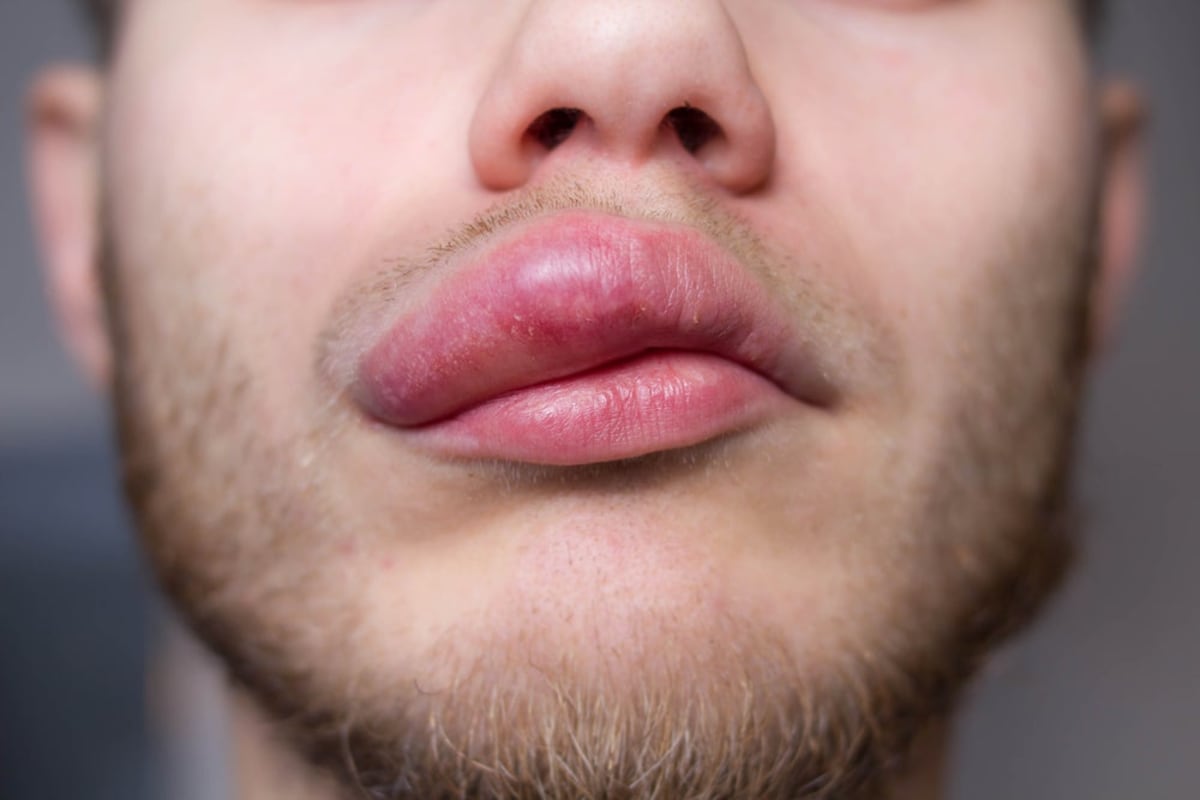
Hereditary angioedema affects roughly one in every 50,000 people worldwide. The disorder causes unpredictable episodes of severe swelling in the hands, feet, face, genitals, and intestinal tract that can be painful, disabling, and sometimes life threatening.
The multi-national trial enrolled 25 patients and tested different dosing schedules. Those who received 300mg of BW-20805 once every 24 weeks experienced the most dramatic reduction in attack rates. Even patients on other schedules saw their monthly attacks drop by 83% to 93%.
Between half and three-quarters of patients remained completely attack-free for nearly five months, depending on their dose. For people accustomed to living in fear of the next unpredictable episode, that kind of sustained relief represents a fundamental shift in quality of life.
The drug works by targeting the root cause of the swelling attacks. BW-20805 uses silent interfering RNA technology to disable the mRNA behind a protein called plasma prekallikrein, which drives the uncontrolled inflammatory response. By stopping the problem at its source, the medication provides long-lasting protection.
Safety results looked equally promising. Most side effects were mild, primarily injection site reactions, and no patients had to stop treatment because of adverse events.
Why This Inspires
What makes this breakthrough particularly exciting is the dosing schedule. Current leading treatments like Takeda's Takhzyro require injections twice monthly, while BW-20805 showed effectiveness with just two doses per year. That difference means fewer needle sticks, fewer medical appointments, and more freedom for patients to live their lives without constant treatment schedules.
The trial also demonstrates how emerging technologies like RNA-based therapies are opening new doors for treating rare diseases. These precision tools can target specific disease mechanisms in ways that weren't possible just years ago, turning conditions once considered unmanageable into treatable disorders.
For the estimated thousands of people worldwide navigating life with hereditary angioedema, this research signals that better days may lie ahead.
More Images
Based on reporting by Google News - Clinical Trial Success
This story was written by BrightWire based on verified news reports.
Spread the positivity!
Share this good news with someone who needs it