Scientists Map Autism Proteins, Open Path to New Treatments
Researchers at UC San Francisco have created the first molecular atlas showing how over 1,000 proteins interact to cause profound autism, bringing new hope for targeted treatments. Using AI technology, they've bridged the gap between gene discoveries and potential drug therapies for families who've waited years for answers.
For families living with profound autism, a breakthrough from UC San Francisco offers the clearest path yet toward real treatments.
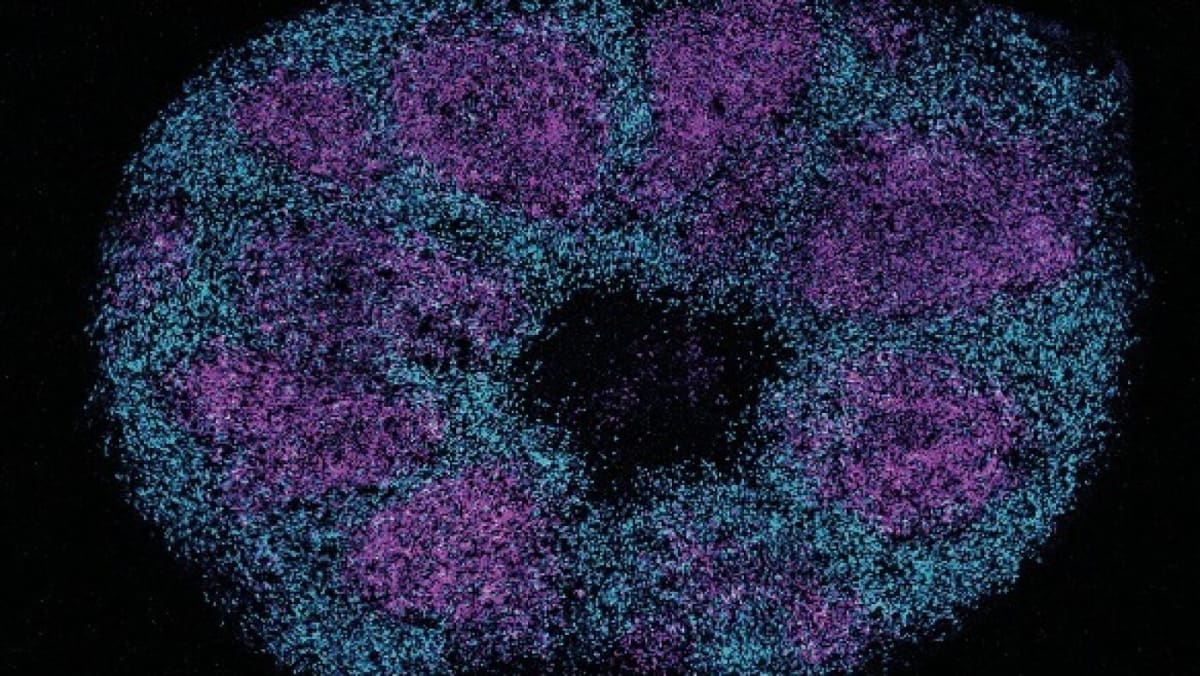
Scientists have created the first comprehensive map of protein interactions linked to profound autism, charting over 1,000 connections that could lead to targeted therapies. The research, published in the journal Science, fills a critical gap that has stumped researchers for years.
While scientists identified hundreds of genes linked to profound autism over the past decade, they hit a wall trying to develop treatments. Genes are just blueprints, but proteins are the machinery that actually builds and runs our bodies.
Dr. Matthew State, a clinical psychiatrist at UCSF, teamed up with protein expert Nevan Krogan to solve this puzzle. They studied 100 proteins from high-risk autism genes, watching how they interact and what happens when mutations appear.
The research got a major boost from AlphaFold, an AI system from Google DeepMind. What used to take years of painstaking lab work now happens in about an hour, helping scientists predict which proteins connect with each other.
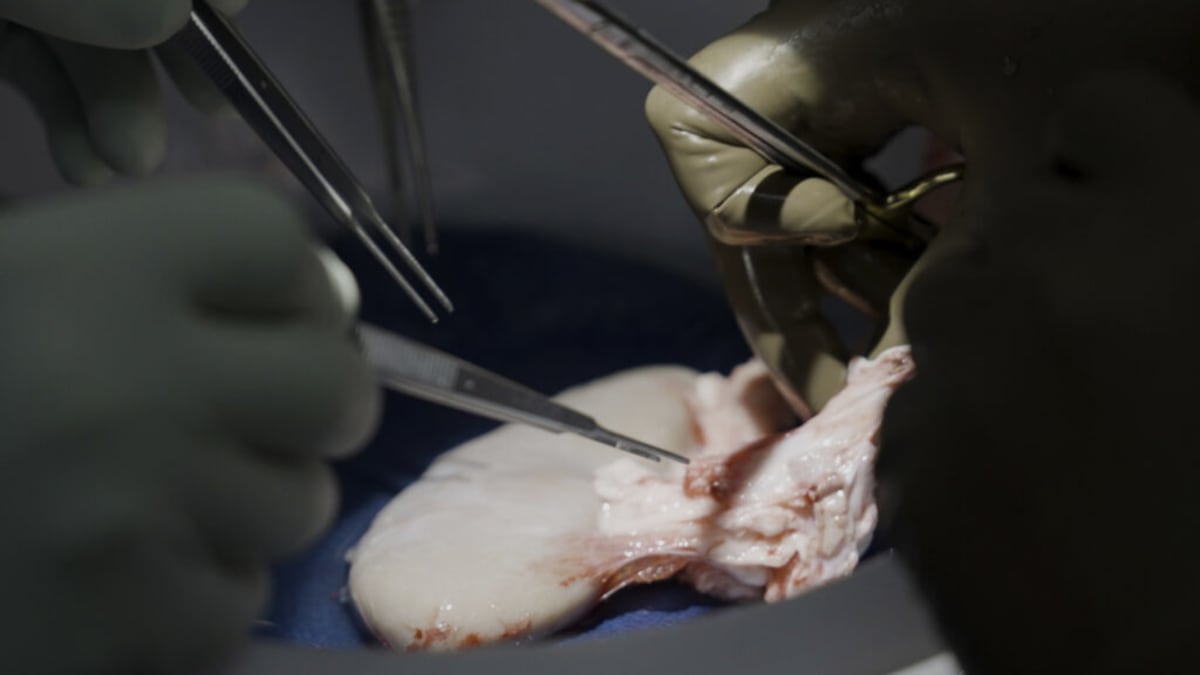
The team also used brain organoids, which are lab-grown tissues that model the human brain. They introduced the same mutations found in patients with profound autism to see exactly how the proteins break down.
Why This Inspires
Profound autism affects people who are nonverbal or minimally verbal, often live with severe intellectual disability, and require round-the-clock care. Many also face serious medical conditions like epilepsy.
Alison Singer, president of the Autism Science Foundation and mother to a daughter with severe cognitive impairment, calls this the kind of scientific advance families have been praying for. The research doesn't just identify problems but creates a roadmap for solutions.
Dr. Daniel Geschwind at UCLA, who wasn't involved in the study, says researchers interested in autism and drug development will be using this resource extensively. It represents an unprecedented tool for the entire field.
The molecular atlas points researchers toward specific protein interactions they can target with drugs. Instead of guessing which treatments might work, scientists can now design therapies based on what's actually happening at the molecular level.
The collaboration started over a decade ago when the UCSF chancellor introduced State and Krogan, recognizing that combining their expertise could crack this problem. State brought the genes and mutations, while Krogan brought cutting-edge technology for studying proteins.
While the path from this discovery to actual treatments still requires work, the roadmap is now much clearer than it's ever been.
More Images


Based on reporting by NPR Science
This story was written by BrightWire based on verified news reports.
Spread the positivity!
Share this good news with someone who needs it