Japan Fans Clean Stadium After World Cup Match in Texas
After a 2-2 draw with the Netherlands in Texas, Japanese soccer fans stayed behind to pick up every piece of litter, turning stadium cleanup into an inspiring display of cultural values. It's a tradition that starts in elementary school and has become their signature at every World Cup.
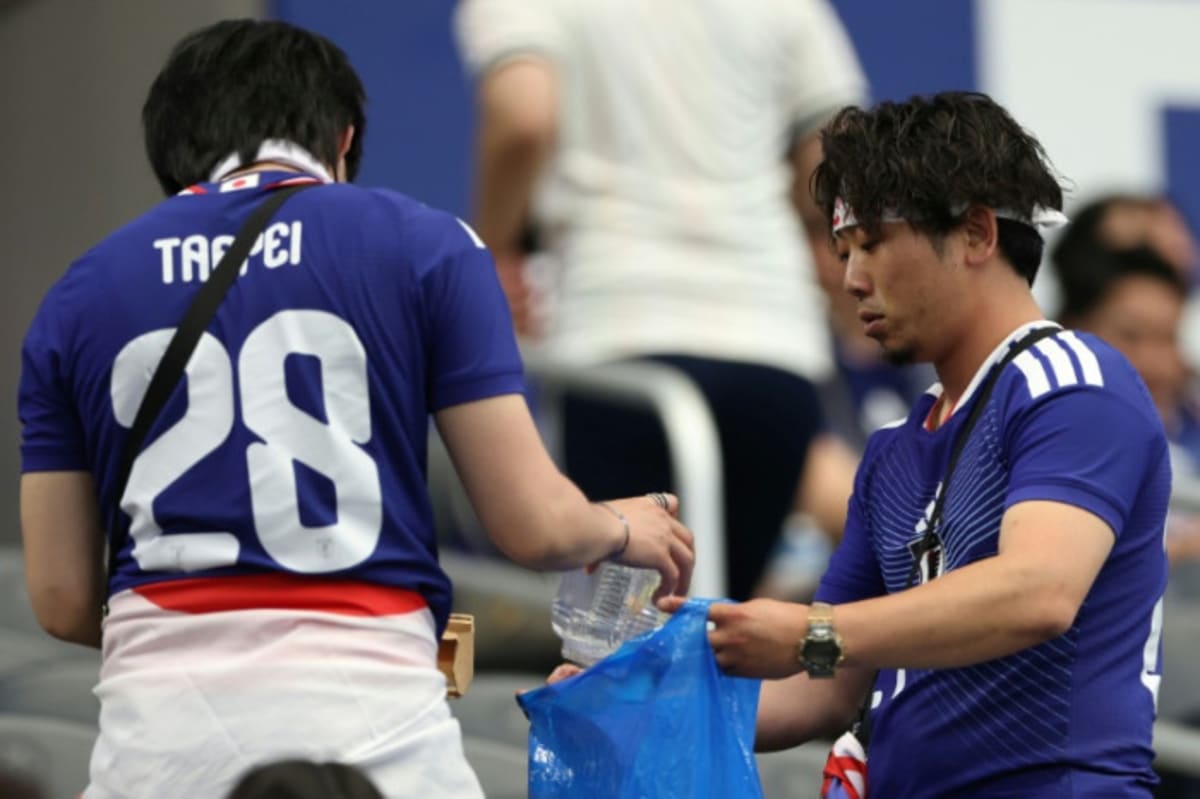
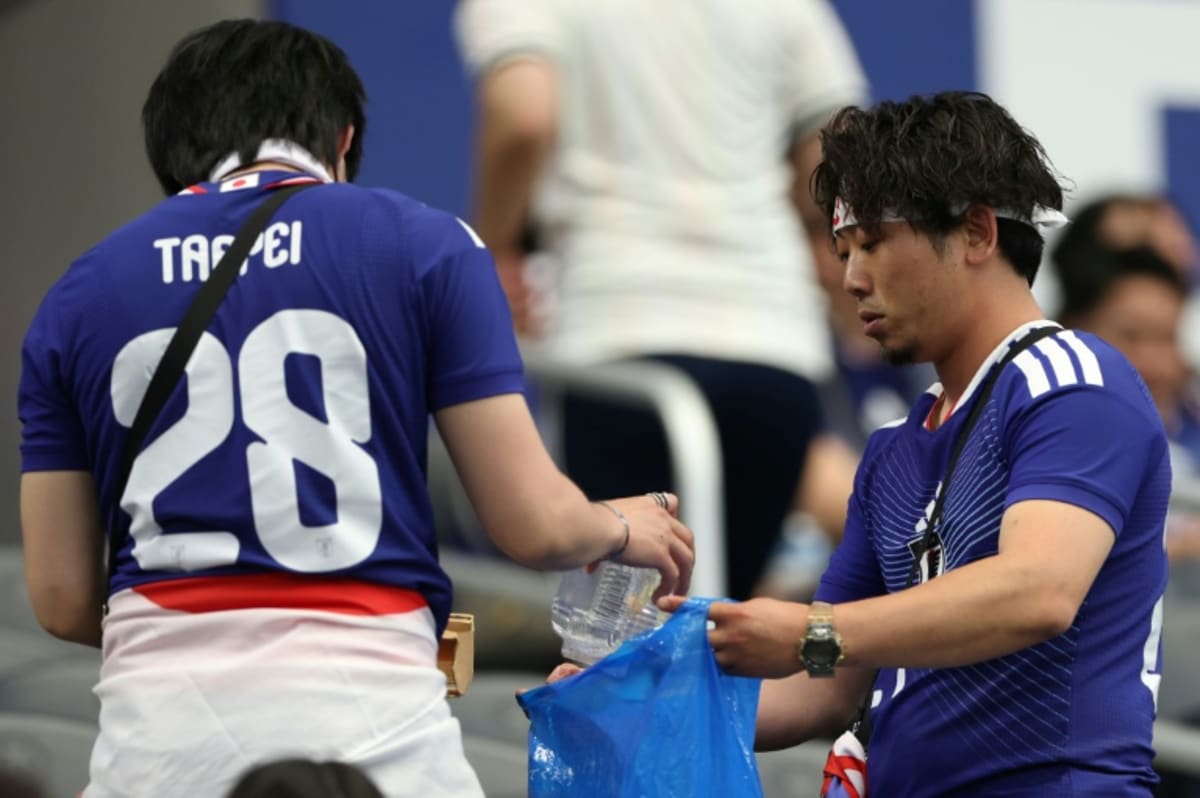
When the final whistle blew at the World Cup opener in Arlington, Texas, thousands of Japanese fans didn't rush for the exits. Instead, they grabbed blue plastic bags and started cleaning.
The spotless stands after Sunday's match weren't an accident. For Japanese supporters, leaving a place better than they found it is simply what you do.
"We have to think about everyone," 20-year-old fan Eita Tanaka explained while clutching empty cups and wearing his team's blue jersey. "Japanese people are told that when we use a certain place, we have to make that place look tidier when we leave than it was when we arrived."
This isn't just about soccer. The habit starts young, in elementary schools across Japan where students clean their own classrooms every day without being asked. There are no janitors coming behind them.
The dedication goes beyond schools. Public trash bins are rare in Japan, so people carry their garbage home. Household waste requires careful sorting into different categories, and neighbors gather twice yearly to maintain shared spaces together.
Even NFL quarterback Jameis Winston joined the cleanup effort, donning a blue Japan shirt with his name on the back. The gesture shows how this simple act of consideration has become Japan's calling card at their eighth straight World Cup appearance.
The Ripple Effect
What drives this behavior? Sociologists point to a blend of social responsibility and what Japanese people call "reading the air." The concept means being aware of what's expected in any group setting.
"In Japan, even if one person starts picking up litter, those around them feel they simply cannot help but join in," explained sociologist Masachi Ohsawa. When leaders break out the bags and start cleaning, everyone follows.
Scott North, an American professor who has lived in Japan for 40 years, sees it in action regularly. He joins his neighbors for community cleanup days where everyone participates as a natural expectation.
The motivation might stem partly from peer pressure, but the result benefits everyone. Stadium workers face less work, communities stay cleaner, and a simple act of respect ripples outward.
Fan Futo Hagiwara takes pride in how the world has noticed. "This is our culture, that means everywhere we go we need to clean it after ourselves," he said. "It's our spiritual way, our attitude."
The teaching method matters too. "We usually don't tell children they should do it," Hagiwara explained. "We just show our actions and behavior, and other people follow."
Japan's fans will keep their tradition alive throughout the tournament, with their next match against Tunisia in Mexico this Saturday.
More Images

Based on reporting by Bangkok Post
This story was written by BrightWire based on verified news reports.
Spread the positivity!
Share this good news with someone who needs it