Japan Gives $22K Aid to Families After Kumamoto Earthquake
Japan is giving families up to $22,000 to rebuild after a devastating earthquake hit Kumamoto. The government fast-tracked aid for everyone affected, proving disaster relief can move at the speed of need.
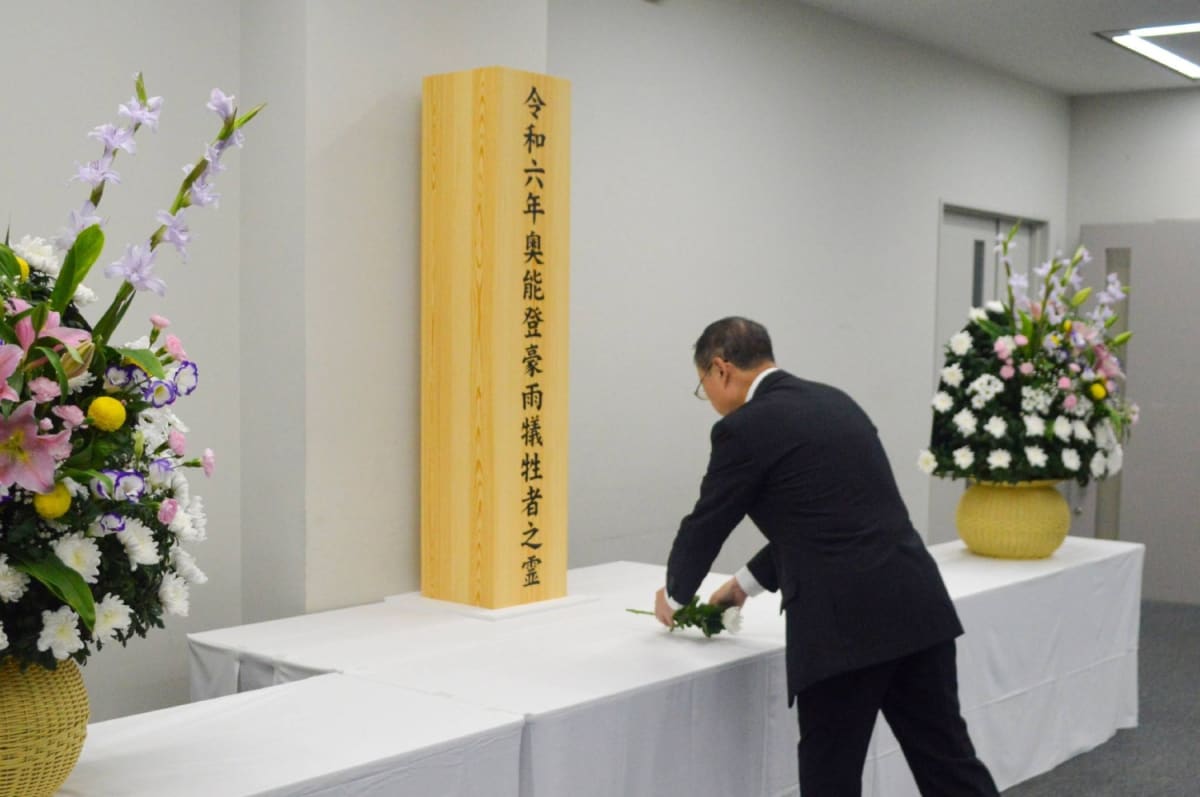
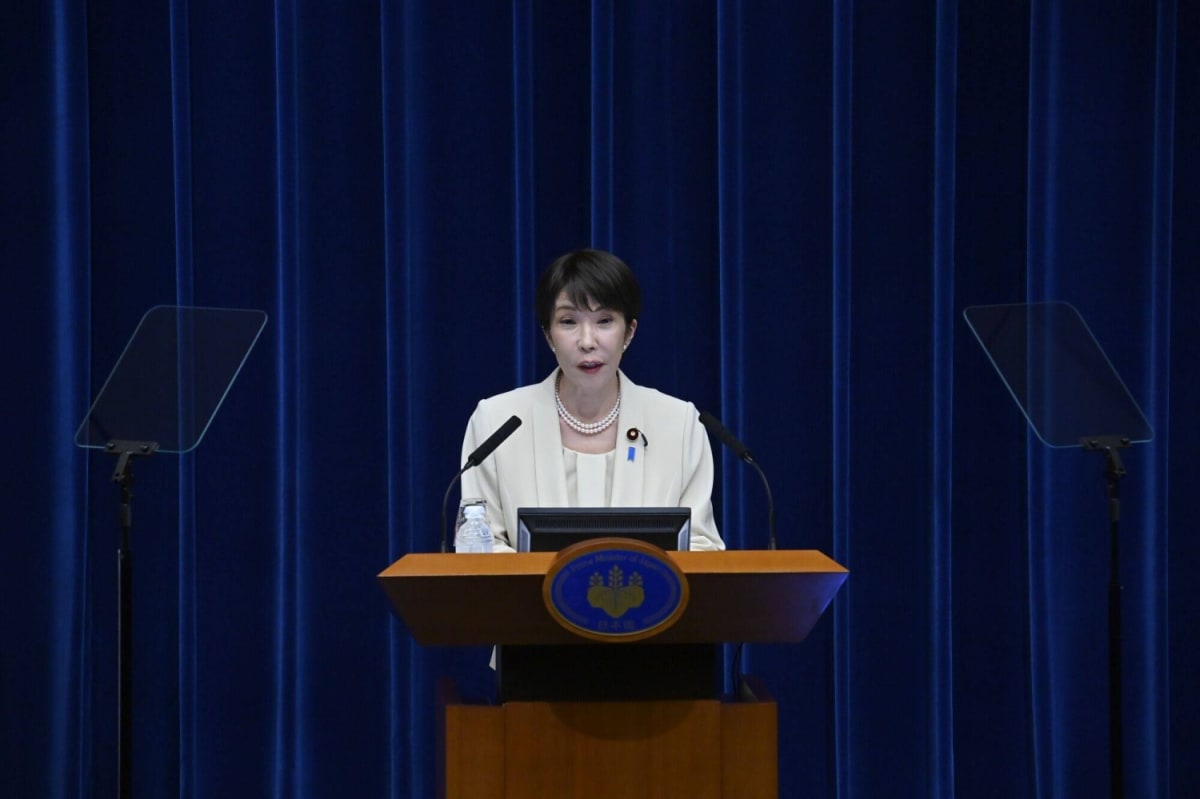
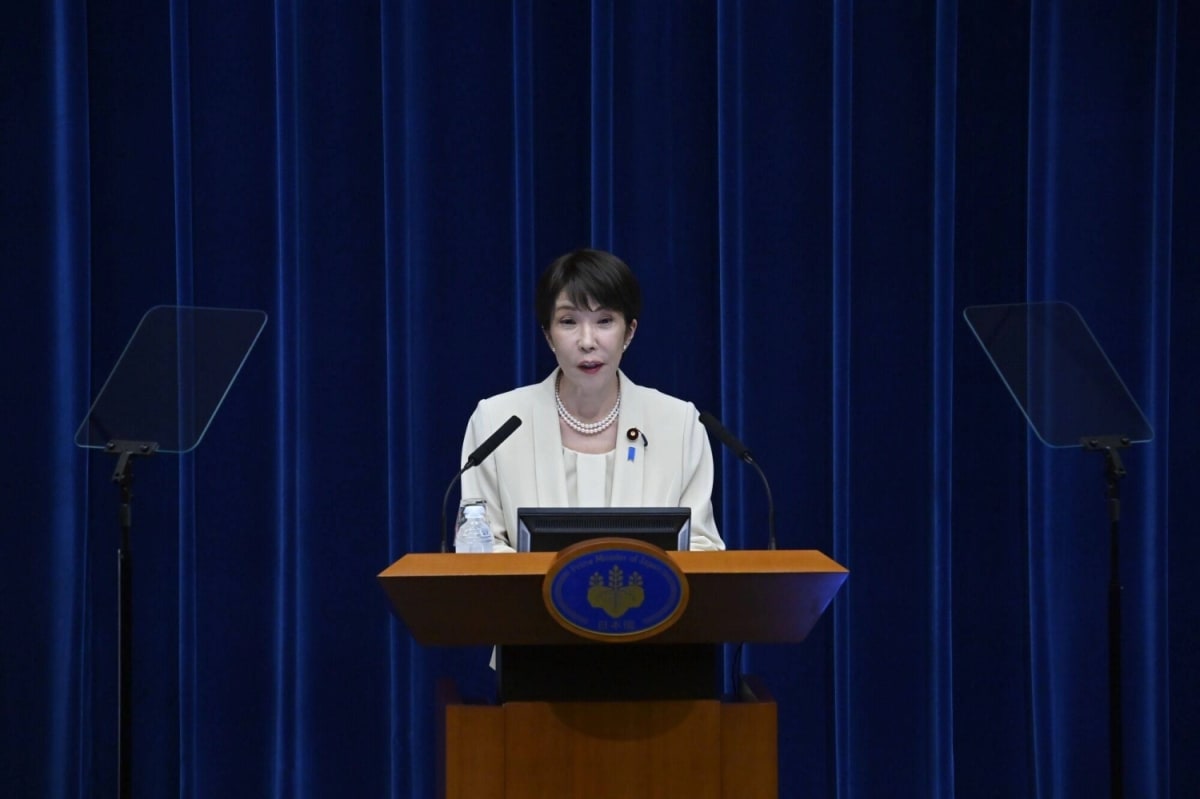
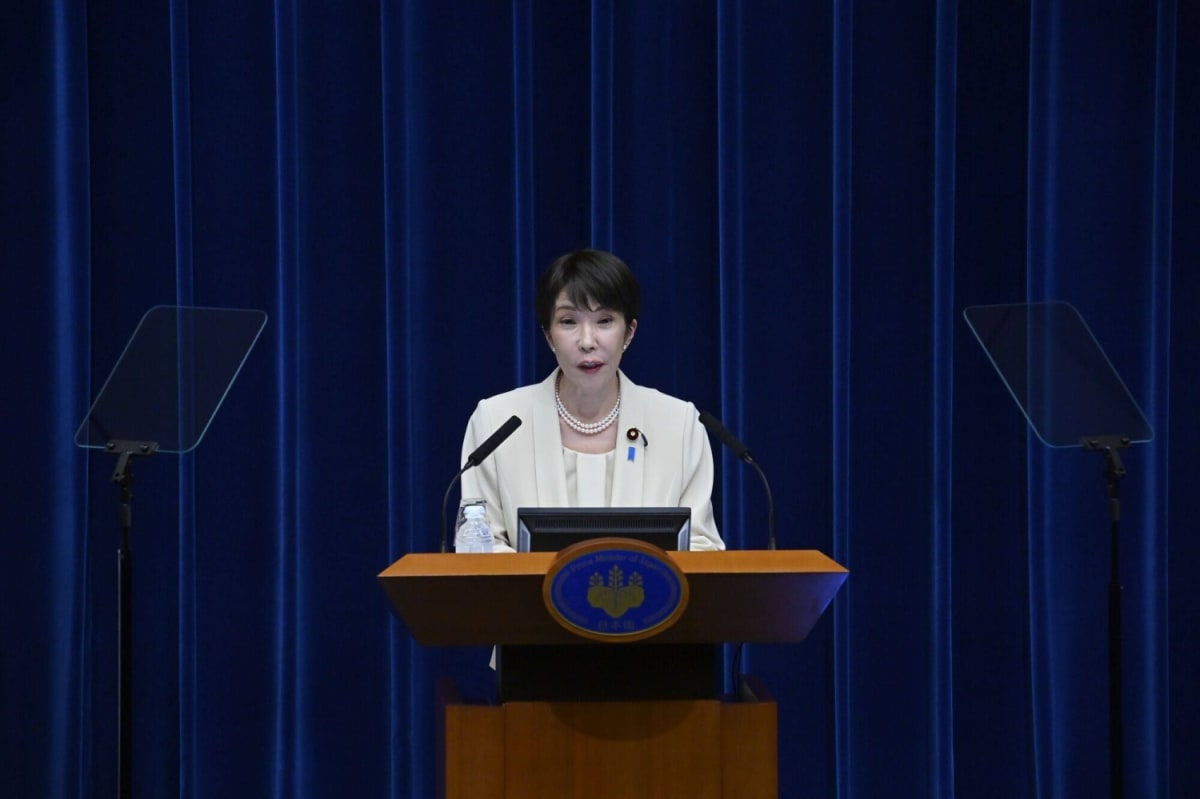
When a 7.1 magnitude earthquake shook Kumamoto Prefecture in late July, Prime Minister Sanae Takaichi didn't wait for red tape to clear. Just two weeks after the disaster, the government approved reconstruction aid for every affected family across the entire region.
Families whose homes were destroyed or damaged will receive up to ¥3 million (roughly $22,000) to cover housing construction, repairs, and rent. Prime Minister Takaichi ordered her disaster management minister to speed up the paperwork so money reaches families faster, not later.
The earthquake measured a 7 on Japan's seismic intensity scale, the highest possible level. It struck on July 28, leaving countless families facing the overwhelming task of rebuilding their lives from the ground up.
But within days, the government mobilized a comprehensive recovery plan. Emergency vehicles gained full access to the Kyushu Expressway this week, and regular traffic will follow by month's end. Kyushu Railway is already preparing to announce reopening dates for suspended rail lines.
The Ripple Effect
Japan's swift response shows what's possible when governments treat disaster recovery as urgent, not eventual. By cutting through bureaucratic delays and approving aid territory-wide instead of city by city, officials are helping families start over while the shock is still fresh.
The financial support covers the practical needs: materials to repair damaged homes, deposits for temporary housing, construction costs for families starting from scratch. For thousands of people facing impossible choices about where to sleep and how to afford it, this aid transforms uncertainty into possibility.
The restored transportation network means more than just convenience. Workers can return to jobs, supplies can reach affected areas, and families separated by the disaster can reunite. Each reopened road and rail line stitches the community back together.
Japan sits on one of Earth's most active earthquake zones, so the country has learned hard lessons about disaster response. This rapid deployment of comprehensive aid reflects decades of refining what actually helps people recover, not just what looks good in press releases.
Two weeks might seem like a long time when your home is damaged, but in government terms, this response moved at lightning speed.
More Images

Based on reporting by Japan Times
This story was written by BrightWire based on verified news reports.
Spread the positivity!
Share this good news with someone who needs it