Japan Launches Mission to Return First Mars Moon Samples
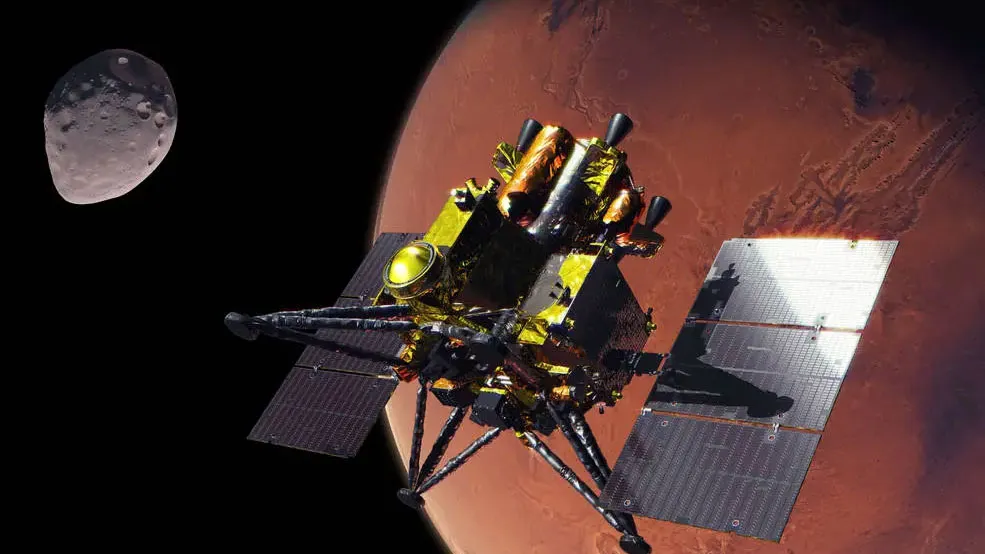
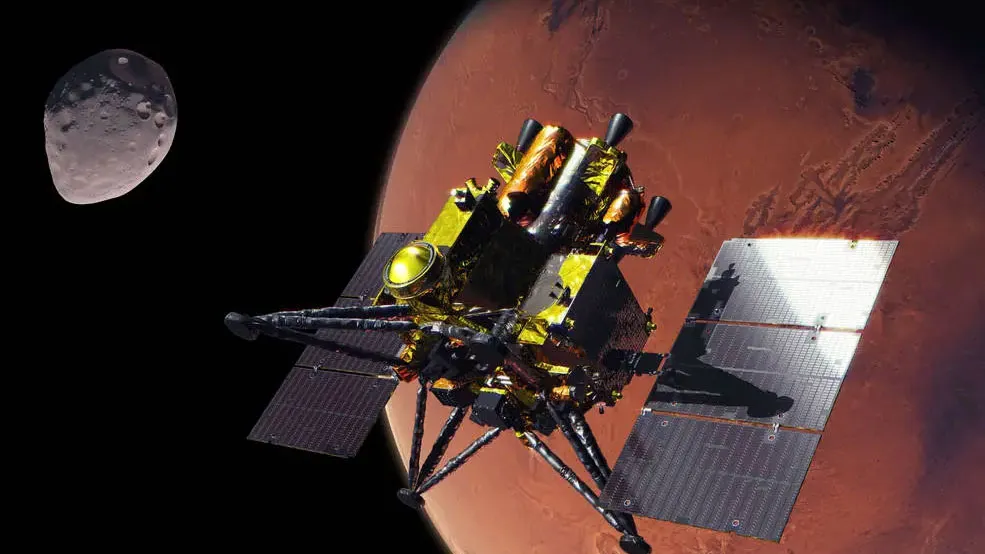
Japan just launched the most ambitious Mars mission ever attempted, aiming to bring back the first samples from the Red Planet's mysterious moons. The spacecraft will spend three years collecting rocks from Phobos before making the long journey home in 2031.
A Japanese spacecraft is now speeding toward Mars on a mission that could rewrite what we know about the early solar system.
The Martian Moons eXploration spacecraft, called MMX, lifted off Monday from Japan's Tanegashima Space Center. Its goal sounds simple but has never been done: grab samples from Mars' moon Phobos and bring them back to Earth.
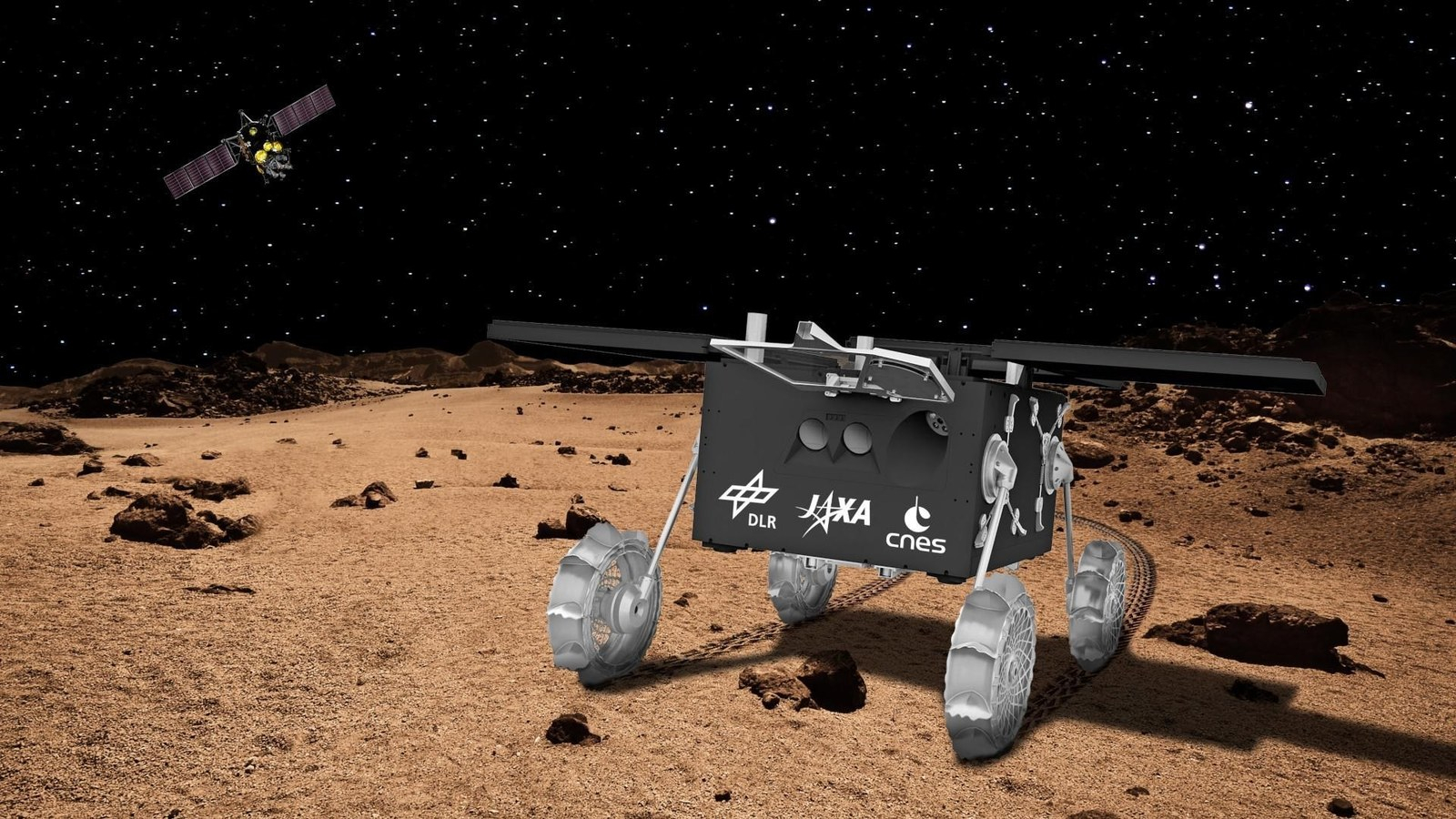
The mission carries technology from teams across the globe, including a clever French-German rover named IDEFIX after a comic book dog. After a 10-month journey, MMX will arrive at Mars in August 2027 and begin carefully mapping Phobos to find the perfect landing spots.
Here's where it gets exciting. The little IDEFIX rover will drop onto Phobos from just 130 feet up, bouncing gently in the moon's weak gravity before righting itself to explore. Think of it like dropping a phone onto a pillow, thanks to gravity that's barely there.
MMX will then make two separate landings on Phobos in late 2028, using special drills and pneumatic tools to collect at least 10 grams of moon rock. That's about the weight of two nickels, but those samples could answer questions scientists have puzzled over for decades.
After three years studying Phobos up close, the spacecraft will visit Mars' other moon, Deimos, for comparison flights. Then comes the nail-biting part: a journey back to Earth with the precious cargo, scheduled to land in Australia in 2031.
Why This Inspires
Scientists hope these samples will reveal whether Mars' moons are captured asteroids or chunks of Mars itself, blasted into orbit by ancient impacts. Either answer tells us something profound about how our solar system formed billions of years ago.
NASA contributed a specialized instrument called MEGANE to analyze what the moons are made of without even touching them. This kind of international teamwork shows what's possible when countries pool their brightest minds toward discovery instead of division.
The mission represents Japan stepping into a leadership role in deep space exploration, proving that innovation and ambition aren't limited to any single nation.
If everything goes as planned, schoolchildren learning about space in 2031 will get to study the first pieces of the Mars system ever held in human hands.
More Images


Based on reporting by Google News - Science
This story was written by BrightWire based on verified news reports.
Building Something New? Try the BrightWire Tech Stack Advisor
Compare modern frameworks, cloud hosting, and AI tools tailored to your project budget and scale.
Spread the positivity!
Share this good news with someone who needs it

