Japan Mandates Water Testing for Cancer-Linked Chemicals
Starting in April, Japan will require all water utilities to regularly test for PFAS, potentially harmful chemicals linked to cancer. The move transforms voluntary testing into mandatory monitoring, protecting millions from invisible health risks.
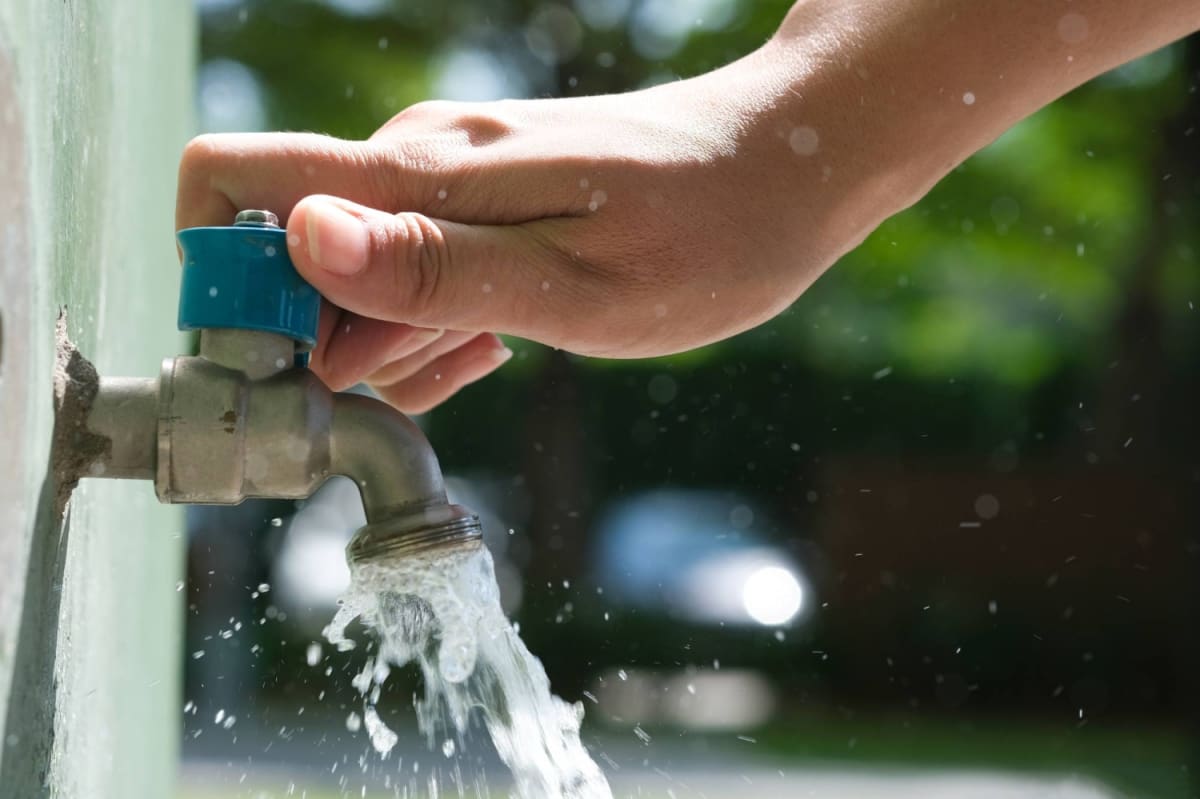
Japan is taking a major step to protect public health by requiring water utilities nationwide to test for PFAS, a group of potentially cancer-causing chemicals known as "forever chemicals."
The new mandate takes effect in April and transforms what was once voluntary testing into a legal requirement for water suppliers across the country. The Environment Ministry designed the policy to identify contamination hotspots and reduce health risks for everyone drinking tap water.
PFAS stands for per- and polyfluoroalkyl substances, synthetic chemicals that don't break down naturally in the environment or human body. They've been found in everything from nonstick cookware to firefighting foam, and scientists have linked them to various health problems including cancer.
Under the new standards, water utilities must test for PFOS and PFOA, two common PFAS compounds, every three months. The combined concentration of both chemicals cannot exceed 50 nanograms per liter, a safety level set so that even drinking two liters daily for a lifetime poses no expected health risks.
If testing reveals levels above the limit, utilities must investigate the source and take action. Solutions include switching to cleaner water sources or upgrading treatment systems to filter out the chemicals.
The good news is that Japan's water supply is already in pretty good shape. Between 2020 and 2025, about 98% of large water utilities and 85% of smaller ones voluntarily conducted PFAS testing, showing strong commitment even before the requirement.
Only 19 utilities ever recorded levels exceeding the safety target, and all of them have since brought concentrations back down through treatment improvements. That track record suggests the infrastructure and knowledge to handle PFAS contamination already exists.
The Bright Side
What makes this policy especially promising is that it creates a complete national picture of water safety. Mandatory testing means no community gets left behind, whether they're served by a large municipal system or a small rural utility.
The regular monitoring also catches problems early, before they become health crises. Communities will know exactly what's in their water and can watch improvements happen in real time as utilities upgrade their systems.
Japan's approach shows how preventive policy can protect millions without causing panic or disruption. By making testing routine rather than reactive, the country is choosing long-term health security over short-term convenience.
Clean drinking water just became a guaranteed right backed by science and law.
More Images

Based on reporting by Japan Times
This story was written by BrightWire based on verified news reports.
Spread the positivity!
Share this good news with someone who needs it