Japan Partners with South Korea to Rebuild LNG Fleet by 2035
Japan is bringing back its LNG ship industry after a 16-year break, teaming up with South Korea to learn the cutting-edge technology it needs. Three Japanese shipbuilders plan to produce up to five vessels yearly by 2035, securing energy independence while creating new opportunities for Korean firms.
Japan is making a comeback in an industry it once dominated, and this time it's asking its neighbor for help.
Three major Japanese shipbuilding companies announced plans to restart LNG carrier production by 2035, targeting 3 to 5 vessels per year. Japan hasn't built an LNG carrier since 2019, losing ground to South Korean and Chinese competitors who mastered newer, more efficient technology.
The Japanese government is treating this revival as a matter of national security. Japan imports 98% of its LNG for power generation and heating, relying on about 100 carriers to transport the fuel. With ships needing replacement every 20 years, domestic production capacity ensures Japan won't depend entirely on foreign builders for its energy lifeline.
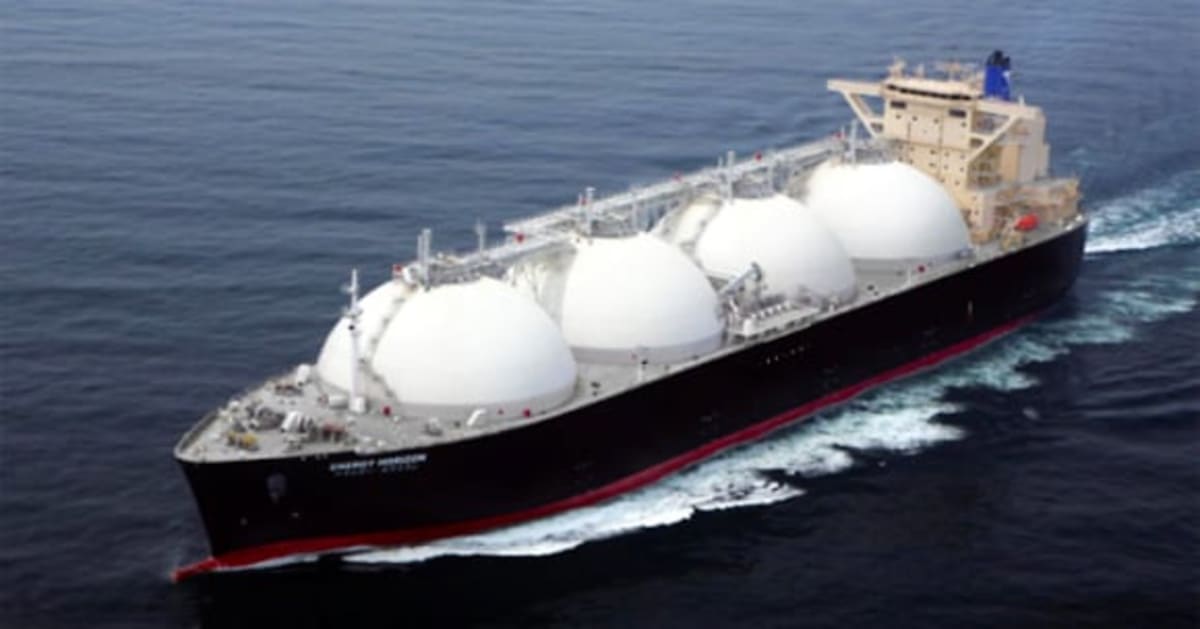
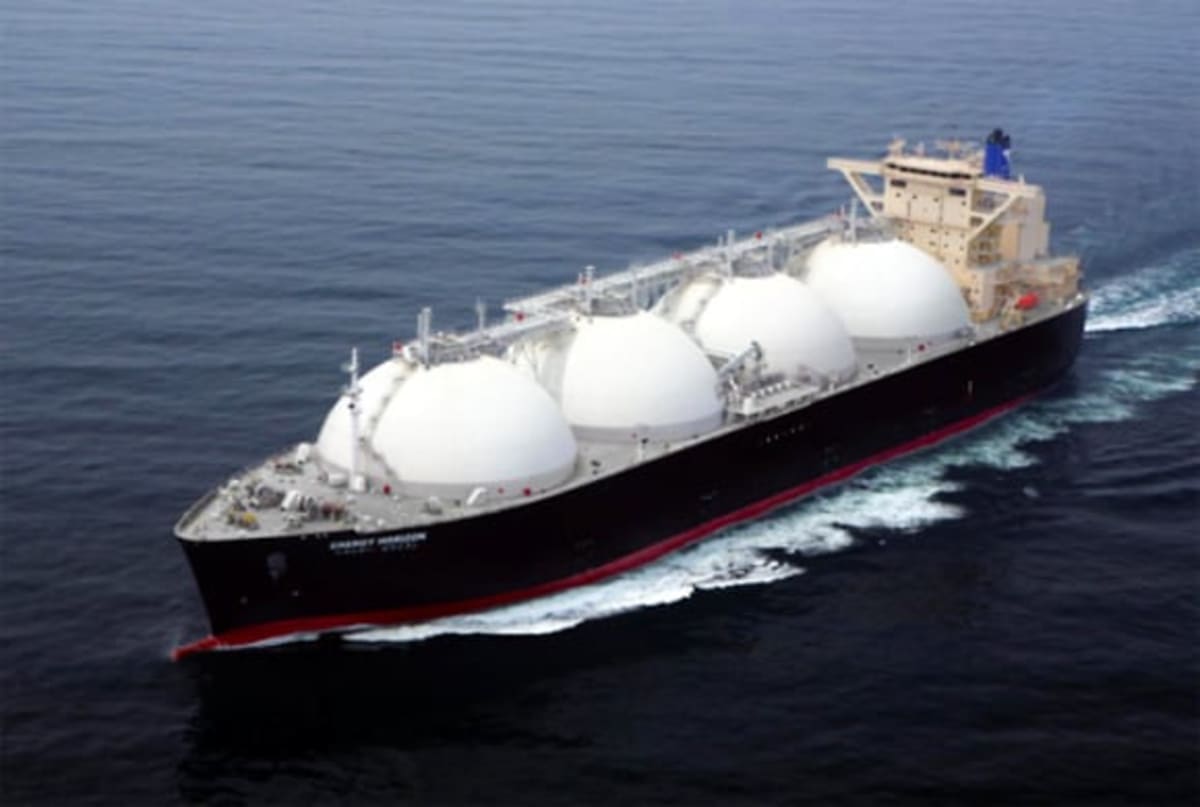
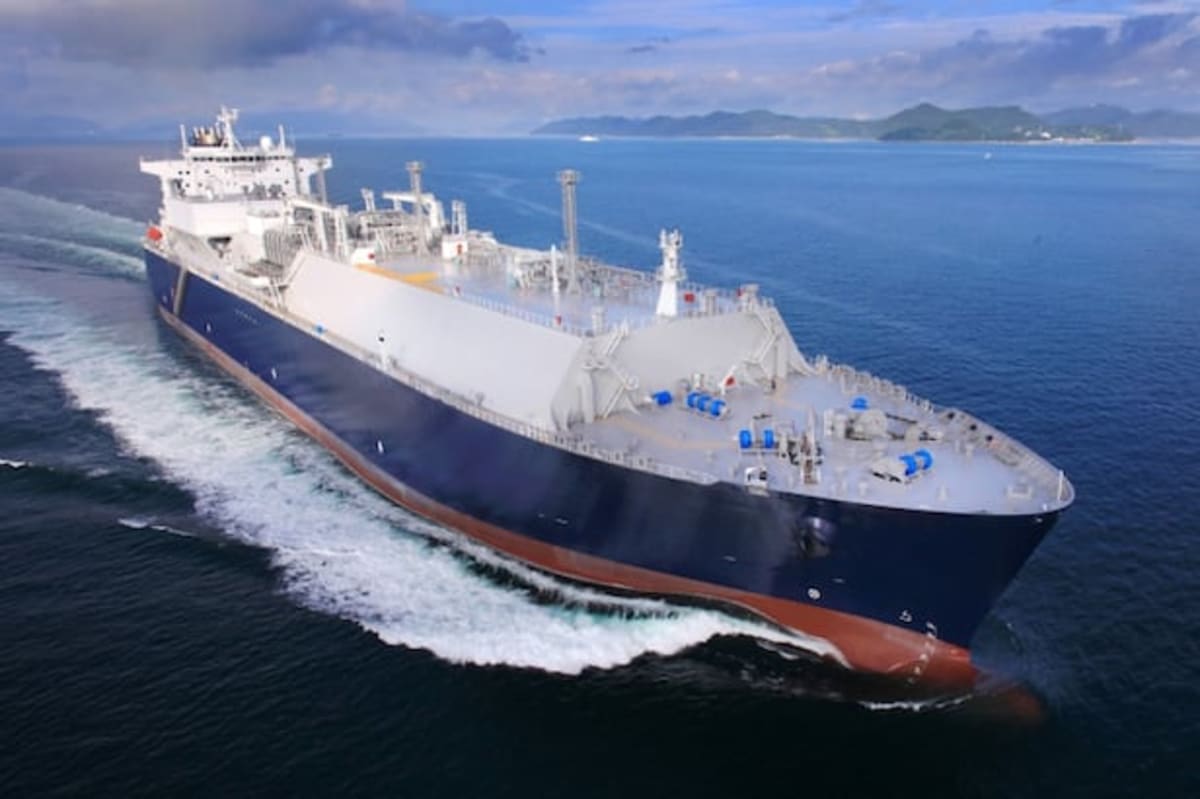
Here's where the story gets interesting. Japanese shipbuilders dominated the global market in the 1980s and 1990s using spherical "Moss-type" tanks. But they stuck with that design while South Korean companies pioneered "membrane-type" technology, which turns the entire ship hull into a storage tank and dramatically increases efficiency.
Now Japan needs that membrane technology back. The government and three shipbuilders, Imabari Shipbuilding, Kawasaki Heavy Industries, and Namura Shipbuilding, are actively seeking technology transfers from major South Korean shipbuilders.
The Japanese government plans to subsidize the price difference between domestic and foreign-built carriers to attract buyers. Shipbuilding earned a spot among 17 key investment areas in the Takahashi administration's upcoming public-private investment roadmap.
The Ripple Effect
This partnership could benefit both nations in unexpected ways. South Korea currently commands 70% of the global LNG carrier market, with order books filled for 3 to 4 years. Labor shortages and aggressive competition from China (which now holds 30% market share) threaten that dominance.
Collaborating with Japan gives South Korean builders a strategic ally and prevents customers from shifting orders to Chinese competitors. The partnership also preserves specialized welding and engineering knowledge that might otherwise vanish as experienced workers retire.
The three Japanese companies plan to pool their design expertise and skilled workers, likely using Kawasaki's Sakai-de Factory as the main production base. Other shipbuilders may join the cooperation system as it develops.
This isn't just about building ships. It's about two neighboring nations choosing collaboration over competition, sharing knowledge to secure their energy futures while strengthening an industry that supports thousands of skilled workers on both sides of the sea.
More Images

Based on reporting by Regional: south korea technology (KR)
This story was written by BrightWire based on verified news reports.
Spread the positivity!
Share this good news with someone who needs it