Japan Plants 680,000 Trees to Fight Tsunamis Naturally
After the devastating 2011 tsunami killed nearly 20,000 people, one Japanese project chose trees over concrete walls. The Chinju no Mori Project has planted 680,000 trees along Japan's coast, creating natural forest barriers that absorb tsunami energy while bringing communities together.
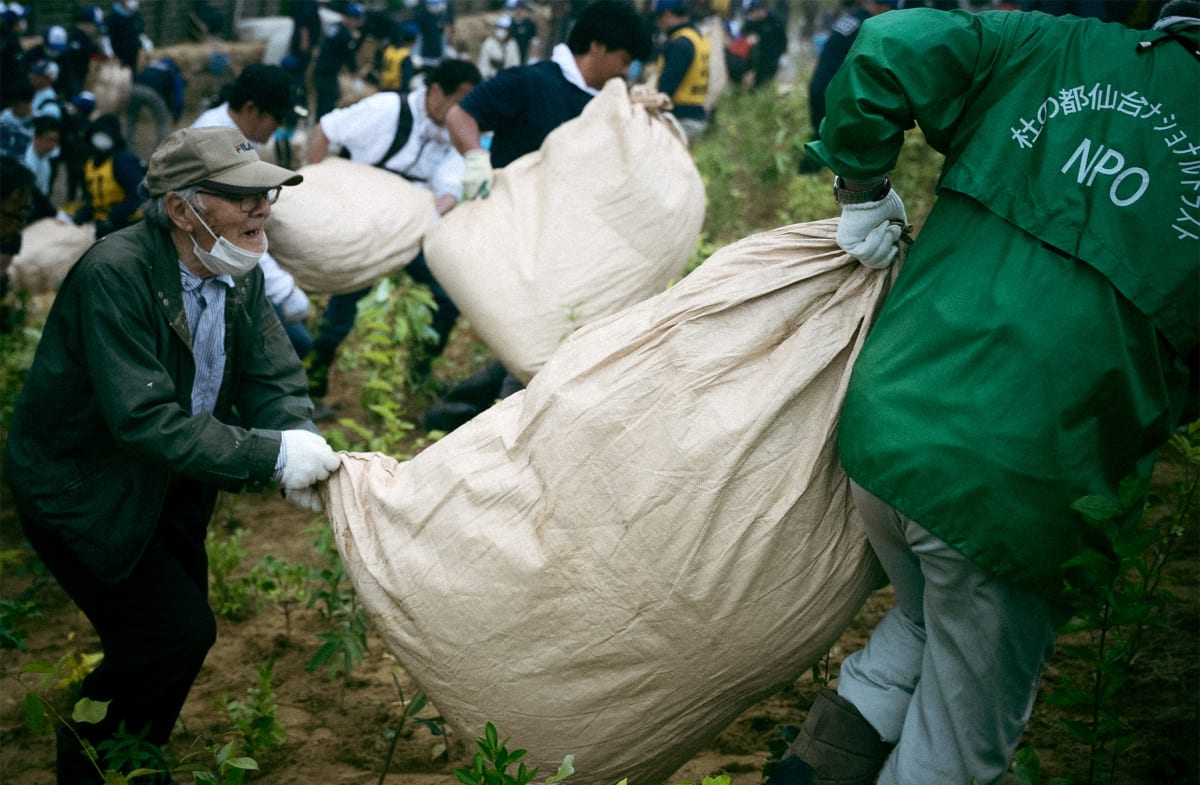
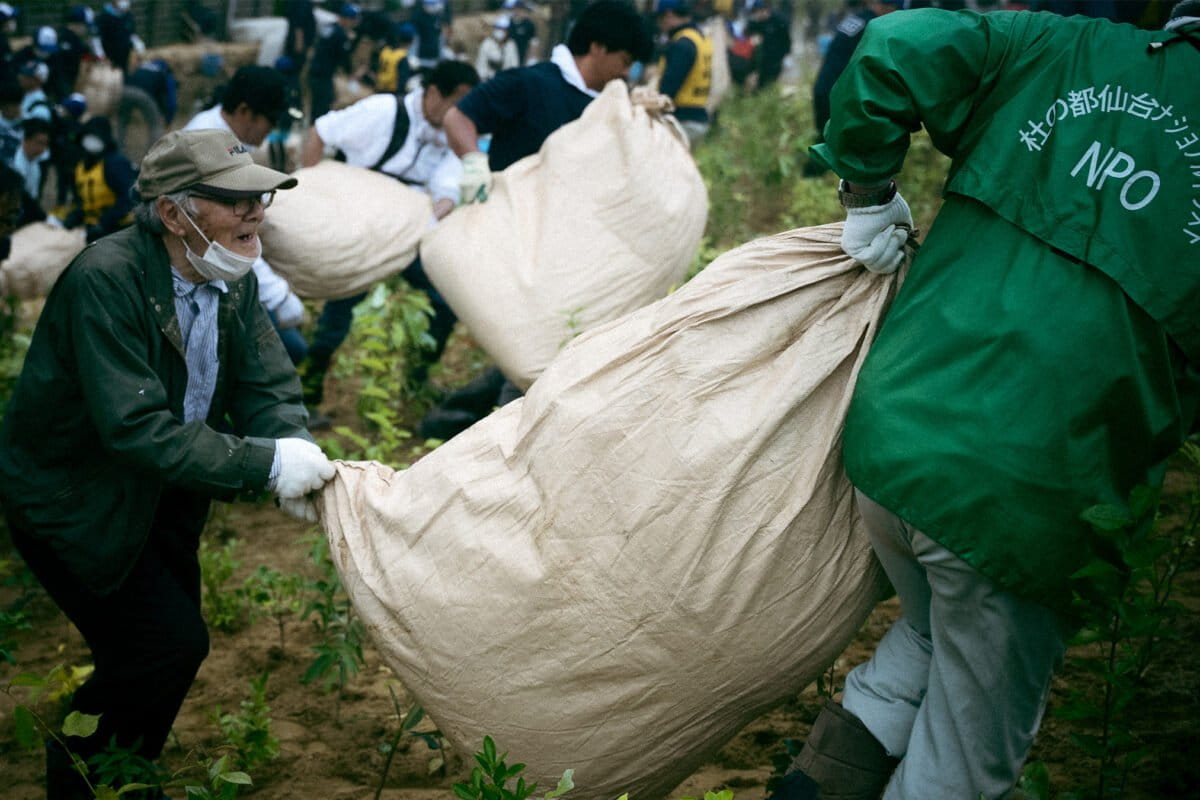
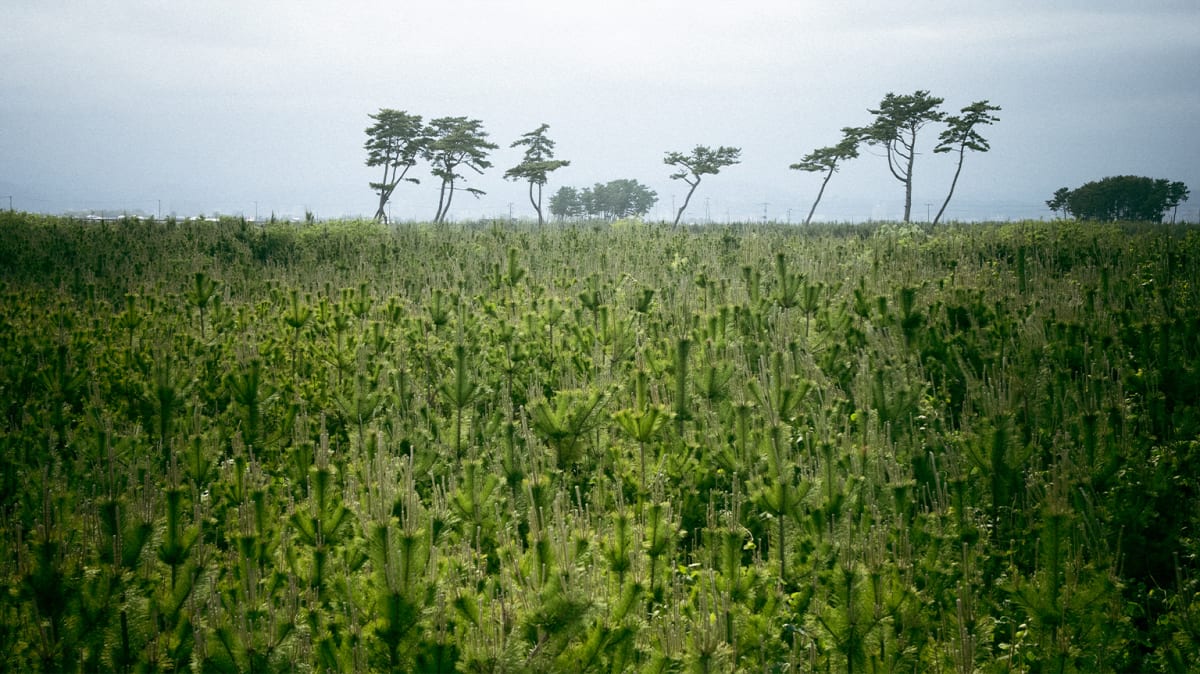
More than 1,000 volunteers gathered on a cloudy morning in Minamisoma, Japan, ready to plant 12,000 trees that could one day save lives. They traveled from across the region, some driving over 200 miles, to build a living wall against the ocean's fury.
This is the work of the Chinju no Mori Project, which has planted 680,000 trees along Japan's northeastern coast since the 2011 disaster that killed 19,700 people. While most coastal towns rebuilt giant concrete seawalls, this project bet on forests.
The inspiration came from an unlikely source: the sacred groves surrounding Shinto shrines. When the 2011 tsunami struck, researchers noticed something remarkable. Several shrines protected by thick forest groves survived while nearby buildings were destroyed.
"The veneration of nature is a very important part of Shinto," explained Koji Suga, who studies Shintoism at Tokyo's Kokugakuin University. These "guardian forests" had protected sacred spaces for centuries. Could they protect entire communities?
The project uses the Miyawaki method, developed by famed Japanese botanist Akira Miyawaki. It plants more than 20 varieties of trees and shrubs close together, forcing them to compete and grow faster. "They are competing with their very lives on the line," said Makoto Shinkawa, the project's secretary general.
Jeremy Bricker, a coastal disaster expert at the University of Michigan, studied 130 years of tsunami records in the region. His research showed that coastal forests successfully reduced death and destruction rates. They work by absorbing wave energy and discouraging construction in dangerous areas.
The forests work best alongside taller seawalls rather than replacing them entirely. Seawalls over 16 feet tall provided the strongest protection, but smaller walls sometimes made things worse by giving false confidence.
The Ripple Effect
Beyond disaster protection, these planting events have become annual traditions that unite communities still healing from 2011. Volunteers from Kanagawa prefecture now make the 200-mile journey every year. Children plant trees that will grow taller than them, creating forests their grandchildren might shelter under.
The project shows how nature and engineering can work together, while giving traumatized communities something hopeful to build toward.
Minamisoma's mayor stood before the crowd that defied the rain forecast, watching ordinary people create an extraordinary shield of green along the dunes where the ocean once took so much away.
More Images

Based on reporting by Mongabay
This story was written by BrightWire based on verified news reports.
Spread the positivity!
Share this good news with someone who needs it