Japan Police-Shelter Cooperation Hits Record in Abuse Cases
Japanese police and child protection centers are working together like never before, with record coordination helping protect vulnerable children. While consultation requests remain high, the strengthening partnership shows authorities are getting better at responding to families in crisis.
When someone reaches out for help during a domestic crisis, the response they get can change everything.
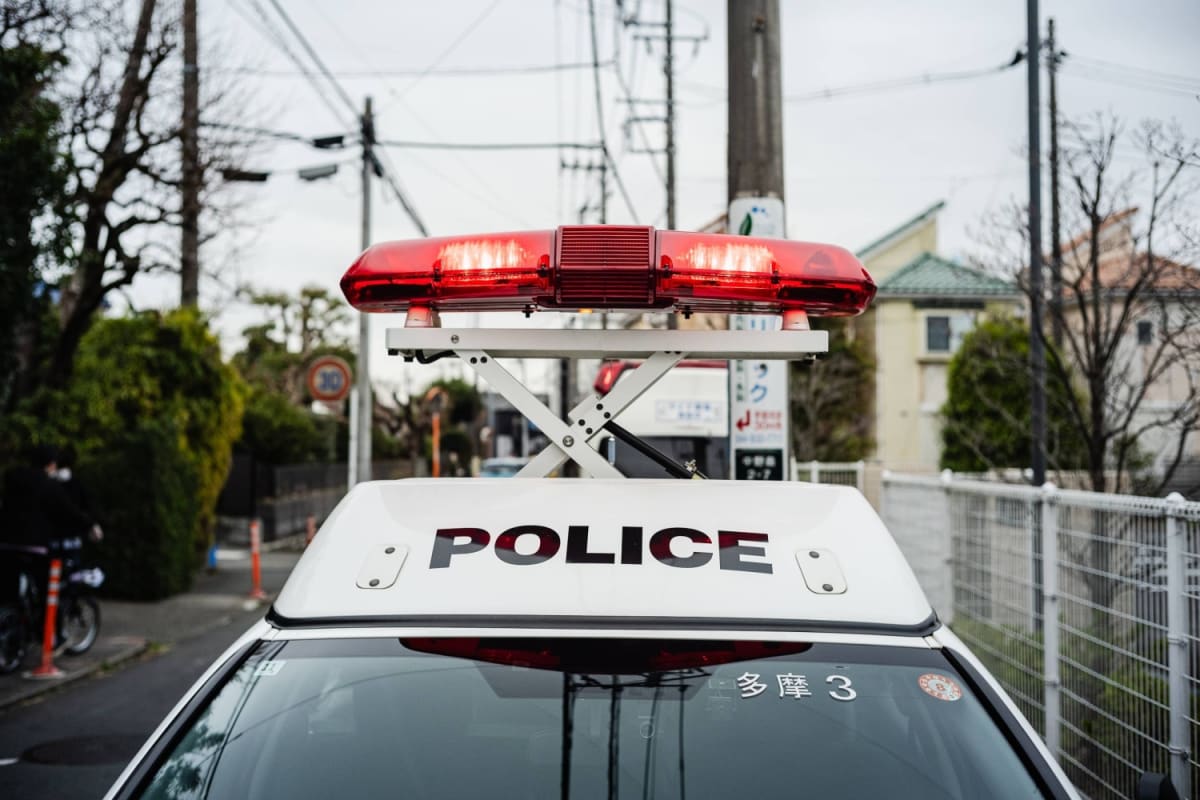
In Japan, police and child consultation centers just hit a milestone that matters. Cooperation between the two agencies reached an all-time high in 2025, with police taking action on 1,131 cases based on direct reports from child welfare centers. That's more inter-agency collaboration than ever recorded.
The partnership reflects a crucial shift in how Japan handles family violence. Rather than working in isolation, police and social services are now communicating and coordinating their efforts to protect children and domestic violence victims.
Police received 98,289 domestic violence consultation requests in 2025, continuing a 22-year trend of people feeling safer reaching out for help. Importantly, men now account for 30% of those seeking support, showing the system is becoming more inclusive.
Officers referred 122,588 children to consultation centers over suspected abuse, a slight increase that experts say reflects better recognition of warning signs rather than rising abuse rates. Meanwhile, actual arrests for child abuse cases dropped 2.2%, suggesting earlier intervention may be preventing situations from escalating to criminal levels.
The data reveals another important pattern. As consultation numbers climb year after year, it indicates growing public awareness that help is available and domestic violence is taken seriously.
The Bright Side
Higher consultation numbers aren't necessarily bad news. They often mean victims feel empowered to seek help earlier, before situations become dangerous.
The record cooperation between police and child welfare centers shows Japan's protection system is maturing. When agencies share information and coordinate responses, vulnerable people get faster, more comprehensive support.
For the 30% of male victims now seeking consultations, the data proves the system is evolving beyond outdated assumptions about who needs protection. Everyone experiencing domestic violence deserves support, and Japan's numbers show that message is getting through.
The strengthening partnership between law enforcement and social services creates a safety net that catches people earlier. Earlier intervention means better outcomes for families, fewer criminal cases, and more opportunities for healing rather than just punishment.
When systems work together, lives change for the better.
More Images

Based on reporting by Japan Times
This story was written by BrightWire based on verified news reports.
Spread the positivity!
Share this good news with someone who needs it