Japan Releases 8 Sacred Birds Once Extinct in the Wild
Eight crested ibises soared into Japan's skies in May 2026, marking another milestone for a species declared extinct just two decades ago. Their release in earthquake-stricken Noto carries special meaning for a region rebuilding hope.
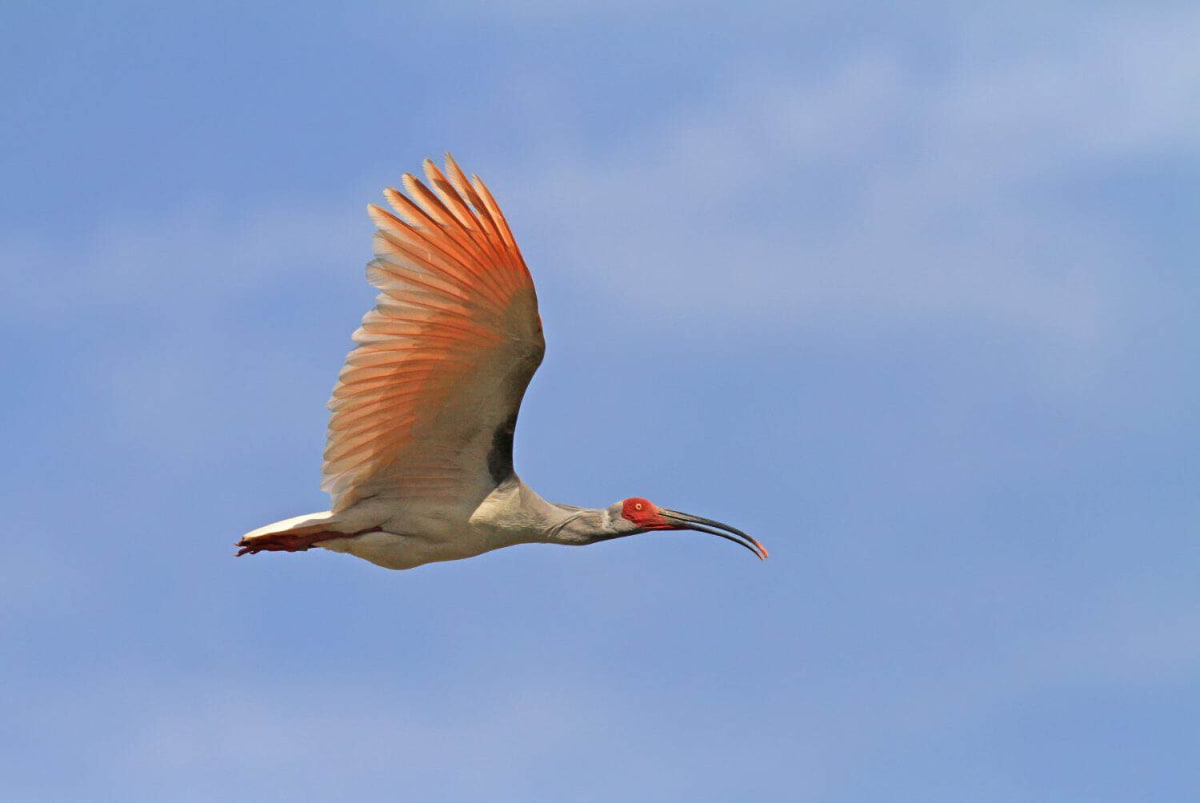
When Crown Prince Akishino and his wife opened wooden ceremonial boxes in Hakui City this May, eight crested ibises took their first flights into freedom. For Japan, watching these rare birds soar meant witnessing a legend come back to life.
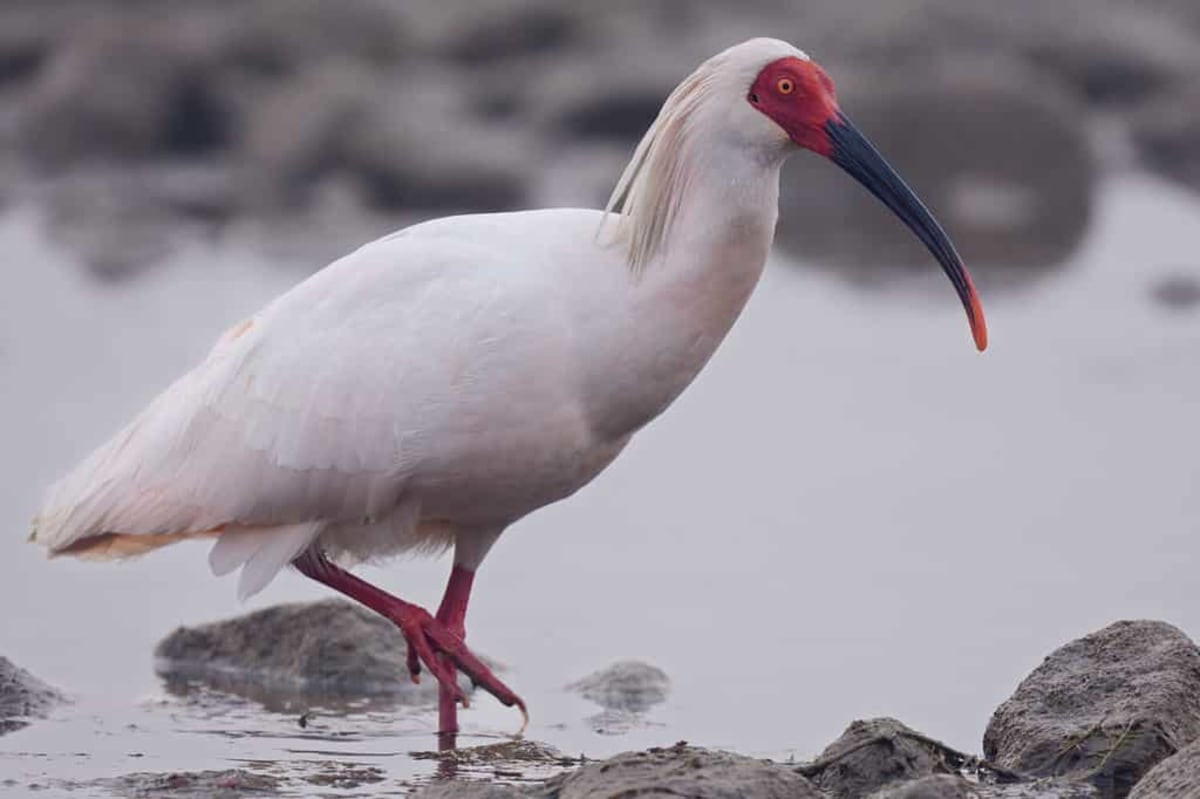
The crested ibis, called toki in Japan, once symbolized good fortune and harmony between humans and nature. Their stunning colors inspired the hues of the Imperial Palace during the Nara Period, when hunting them was strictly forbidden.
But by 2003, pollution, habitat loss, and pesticide use had driven every last toki in Japan to extinction. The final wild bird died on Sado Island, seemingly ending a thousand-year relationship between the species and Japanese culture.
Then came an unexpected lifeline. In 1981, scientists discovered a small wild population in China's Shaanxi Province, birds previously thought lost forever.
China and Japan partnered to save the species. In 1999, China donated breeding pairs to Japan, and by 2002, five chicks hatched at an incubation center. A decade later, the first wild toki chick in 40 years emerged on Sado Island, the same place where the last one had died.
Today, approximately 580 crested ibises live across Japan, a stunning turnaround from zero just 25 years ago. The eight birds released in May join this growing population, carefully raised at Sado Island's conservation center until they were ready for independence.
The Ripple Effect
The ceremony's location carries deeper significance. The Noto region suffered devastating earthquake damage in 2024, leaving communities struggling to rebuild. Releasing these sacred birds in Noto wasn't just about conservation. It offered residents a living symbol that recovery is possible, that what seems lost can return.
Local residents cheered as the birds took flight, many seeing the release as a good omen for their own futures. Japan's ministry plans to continue releasing more birds, transforming Sado Island into a permanent hub for repopulation efforts.
Without international cooperation, modern science, and dedicated conservationists, the crested ibis would exist only in folklore and ancient paintings. Instead, these brilliant birds with indigo-blue wings and orange wingtips now paint Japan's skies again, proving that extinction doesn't have to be the final chapter.
More Images


Based on reporting by Google: species saved endangered
This story was written by BrightWire based on verified news reports.
Spread the positivity!
Share this good news with someone who needs it