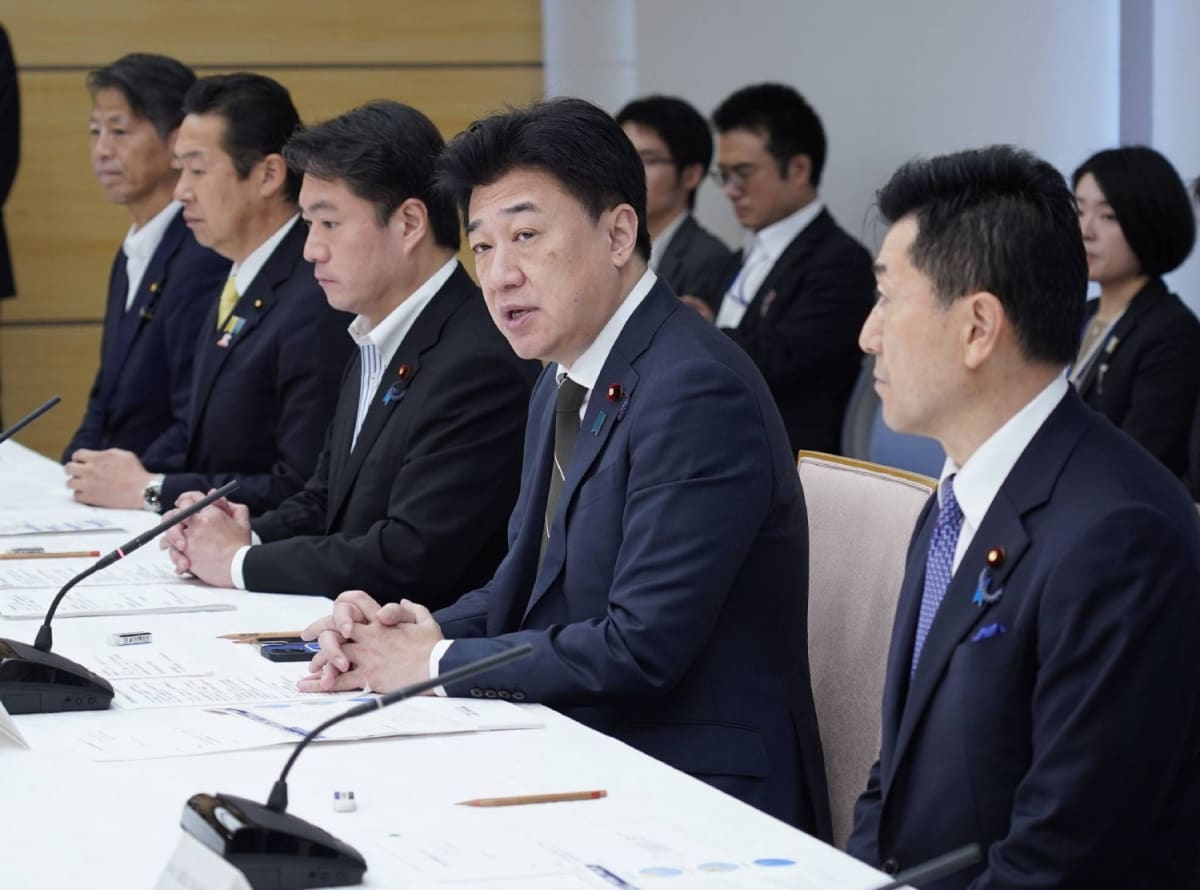
Japan Strengthens Anti-Trafficking Plan After 78 Rescued
Japan is expanding protections for trafficking victims after identifying 78 people trapped in forced labor and sexual exploitation in 2025. The government's new action plan targets predatory host clubs, online abuse, and labor exploitation while making it easier for victims to seek help.
Japan is ramping up its fight against human trafficking after authorities rescued 78 victims last year, including 53 children.
The government adopted sweeping reforms this week to better protect people from forced labor and sexual exploitation. Officials arrested 78 suspects in 142 cases, up significantly from the previous year.
"Human trafficking inflicts profound mental and physical suffering on its victims," said Chief Cabinet Secretary Minoru Kihara. "A swift and appropriate response is necessary."
The rescued victims included 69 women and nine men, with most under age 18. Sixty-six were Japanese nationals, challenging the assumption that trafficking mainly affects foreigners.
Recent cases have shocked the nation, including a 12-year-old Thai girl brought to Japan by her mother and forced into sex work. Officials warn the 78 identified victims may only scratch the surface of a much larger problem.
Japan's new action plan takes aim at several key areas. The government will crack down on malicious host clubs where women accumulate debts that trap them in prostitution. Authorities will also expand electronic visas and launch social media support channels so foreign nationals can seek help more easily.
The plan strengthens protections for workers in Japan's Specified Skilled Worker program and new Employment for Skill Development system, where labor exploitation risks run high. Police will join international operations targeting online sexual exploitation and consider expanding temporary protection for male victims.
Why This Inspires
Japan is showing that wealthy nations aren't immune to trafficking but can lead by example when they confront it head-on. By acknowledging the problem is growing and expanding victim support, officials are choosing transparency over reputation management.
The reforms recognize that victims often don't realize they're being trafficked, a crucial insight that will help more people escape exploitation. Making help accessible through social media meets vulnerable people where they are, not where society thinks they should be.
Most importantly, Japan is tackling root causes like predatory debt schemes and labor program vulnerabilities rather than just arresting traffickers. That systemic approach offers real hope for prevention.
Government official Kenji Murakami captured the stakes perfectly: "Every trafficking case is extremely tragic, regardless of whether it attracts public attention." Japan is proving that protecting the vulnerable matters more than protecting appearances.
More Images

Based on reporting by Japan Times
This story was written by BrightWire based on verified news reports.
Spread the positivity!
Share this good news with someone who needs it